The rise of vacation rentals overloads electrical grids with demand increases of up to 40% in certain regions.
The expansion of the vacation rental market, especially in tourist destinations such as Rio de Janeiro, has had a notable impact on energy distribution infrastructure. Light, the utility company serving 31 municipalities in the state of Rio de Janeiro, including the capital, has identified a significant increase in energy demand, ranging between 20% and 40% in areas with a high concentration of properties intended for this type of lodging.
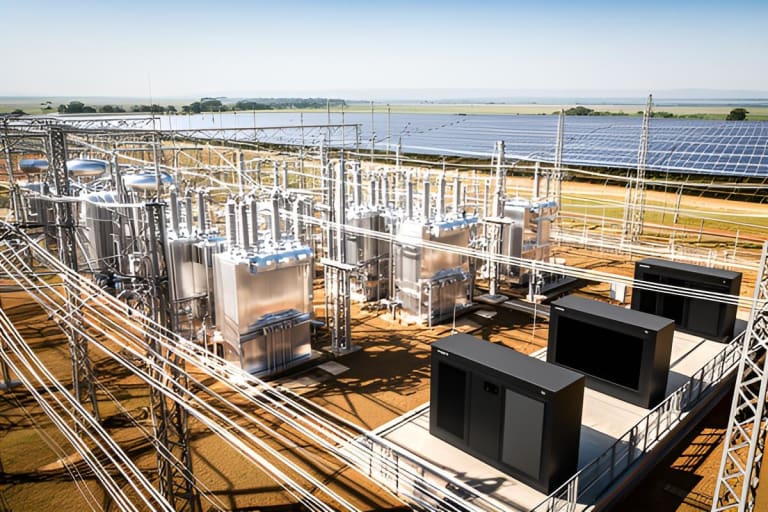
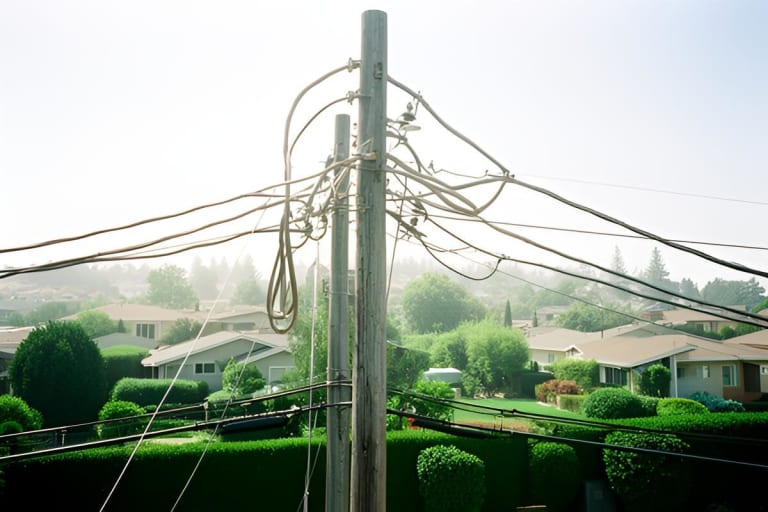
This phenomenon challenges consumption projections that have historically been based on residential patterns. The occupancy dynamics and intensive use of electrical appliances, such as air conditioning, in short-term rental units overload the grid atypically, raising concerns about the stability and sizing of existing infrastructure.
Electrical Grids Under Pressure: A New Consumption Scenario
Light’s Technical Services Manager, Bruno Almeida, reports that the distributor has observed unusual occurrences on the electrical grid since 2024. These incidents, which go beyond problems such as cable theft, indicate an overload that underground grid redundancies can no longer fully offset.
Bruno Almeida stated:
If we previously had greater resilience where, for example, three out of eight conductors were functioning and supporting everything, today we no longer have the certainty that those three will hold up.
He explains that intensive and simultaneous use in vacation rental apartments drives up demand atypically, not constituting misuse, but rather an unpredicted addition to traditional sizing models.
Challenges in Grid Sizing and Cost Optimization
Current regulations, such as the Consumer Entry Regulation (Recon-BT), consider factors such as demand and diversity factors. These factors assume that not all electrical appliances in a residence are used at the same time, and that in a condominium, not all apartments will operate at maximum capacity simultaneously.
This approach aims to optimize infrastructure costs, avoiding excessive investments that could be passed on to consumers. However, the usage pattern in vacation rentals is more similar to that of hotel establishments, where consumption is calculated considering peak occupancy. Light typically discovers this shift in usage profile only when grid failures occur.
This percentage increase is a factor that unfortunately influences outages. And very often, Light will not know that this usage profile has changed, because the grid there is already connected. We find out the hard way [when problems arise on the grid].
Although there are no official statistics directly linking the change in grid usage exclusively to vacation rentals, the correlation between increased demand and the growth of this business model is clear to the distributor.
Projections and Solutions for Energy Infrastructure
To mitigate the impacts, Bruno Almeida suggests that condominiums conduct assessments of the units’ usage profiles and consider redesigning energy projects to meet current realities. Light maintains a dialogue with construction companies to incorporate more precise energy parameters from the conception of new developments.
Responsibility for the costs of grid interventions may vary depending on the magnitude of the requested demand and the need for structural works. The distributor follows regulatory guidelines that define when costs can be passed on to new consumers or absorbed by the utility itself.
An analysis of energy consumption in Brazil shows that increased summer demand is not a universal rule, varying by region and weather conditions. Recent data from EPE indicate significant fluctuations in residential consumption, highlighting the complexity of predicting energy patterns amid climate change and new occupancy models. Adapting electrical infrastructure to these new realities remains an ongoing challenge for the energy sector.