The Amazonas Electrical System suffered its fourth major power outage in less than two months due to failures at the Tucunaré Thermoelectric Plant (UTE Tucunaré).
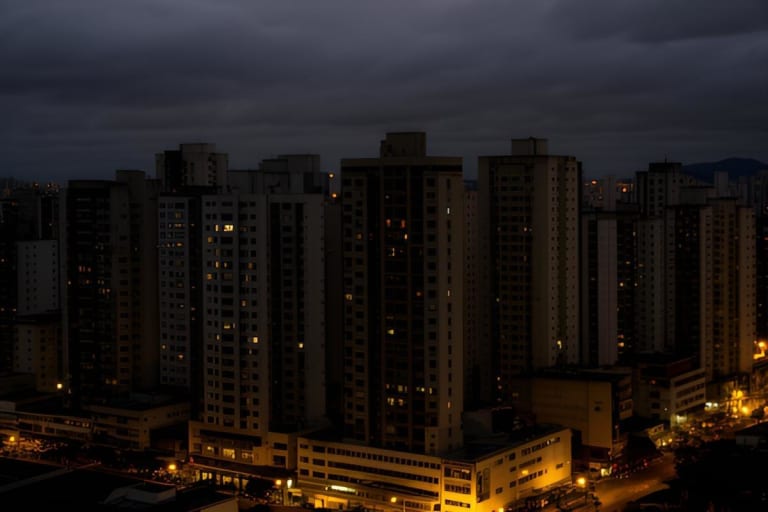
The energy infrastructure in the Northern Region faced severe instability once again early Tuesday morning. A new partial blackout hit the capital of Amazonas and surrounding areas, highlighting the fragility of the electricity supply generated by local thermal units and managed by the regional utility.
This latest incident adds to a concerning sequence of operational failures that have affected the regulated market over the past sixty days. The repetition of these incidents has sparked urgent debates regarding the reliability of the generation park and the resilience of the transmission networks serving local consumers.
Generation and Transmission Failures
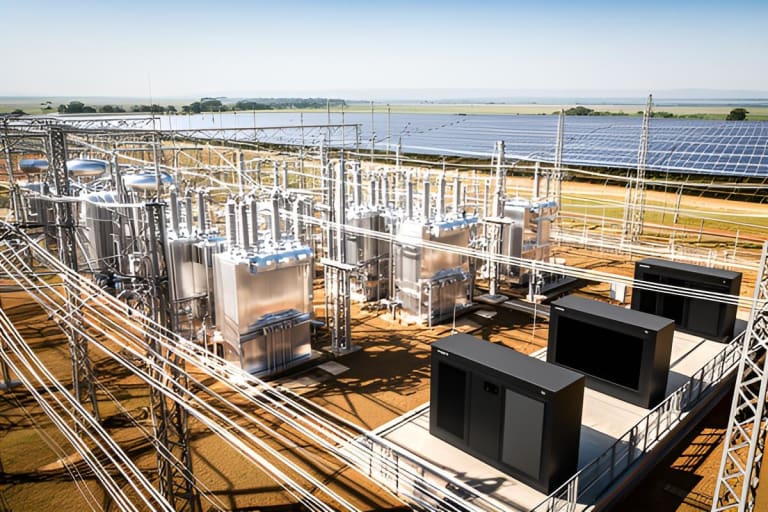
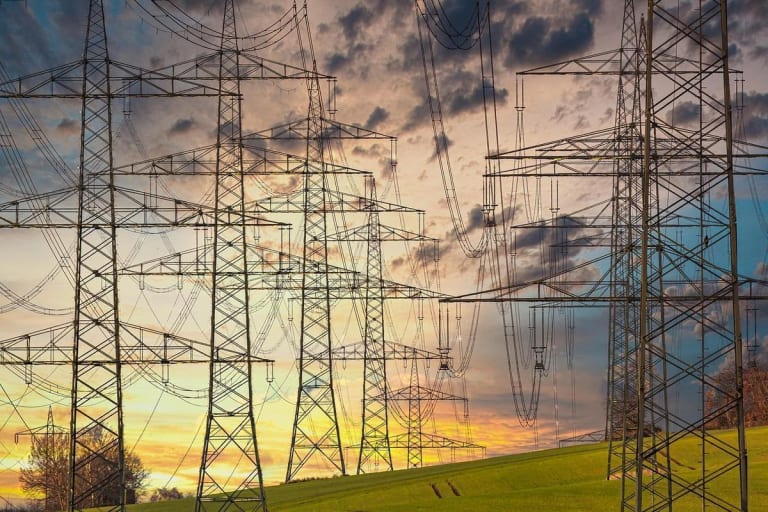
According to preliminary reports released by the ONS, the incident began in the early hours of the day, causing an immediate load shed of more than 100 MW. UTE Tucunaré, operated by Âmbar Energia — part of the J&F group — had to be shut down following instability in the high-voltage grid connecting local substations.
The restoration process faced additional technical hurdles. Shortly after the first attempt to partially resume loads, a new automatic trip brought the system down once again, prolonging the time needed to normalize the electrical flow across the affected area.
The exact cause of the successive shutdowns remains unknown and will require an in-depth technical investigation in coordination with the operators and utilities involved.
History of Energy Instability
This is the fourth time since August that the state’s electrical system has faced large-scale failures. The recent history includes episodes marked by the simultaneous shutdown of major thermal power plants, such as Pirarucu and Jaraqui, which also operate under the holding company’s control.
Power sector experts point out that the recurrence of these events compromises supply security and overburdens the local energy matrix. The lack of definitive answers regarding the root cause of these failures keeps regulatory authorities on high alert regarding the quality of the services provided.
In light of this scenario, regulatory bodies and the companies involved are expected to step up technical audits of transmission lines and generation units. The goal is to mitigate further blackout risks and ensure greater stability for the energy transition and for industrial and residential consumption in Amazonas.