Facing the rapid growth of distributed solar energy and extreme weather events, Brazil’s power sector is accelerating investments in artificial intelligence, automation, and storage to modernize distribution grids.
The rapid growth of rooftop solar energy in Brazil and the increasing frequency of severe storms are placing unprecedented stress on the country’s distribution infrastructure.
To avoid operational bottlenecks and prolonged power outages, the clean energy sector is pursuing a rapid digital transformation, incorporating advanced sensors, decentralized algorithms, and storage systems.
The paths toward this energy and technological transition were extensively debated during the Roadshow Future Grid, an event hosted by Lactec in Curitiba (PR), focusing on the future of smart grids.
The challenge of reverse power flow and load variation
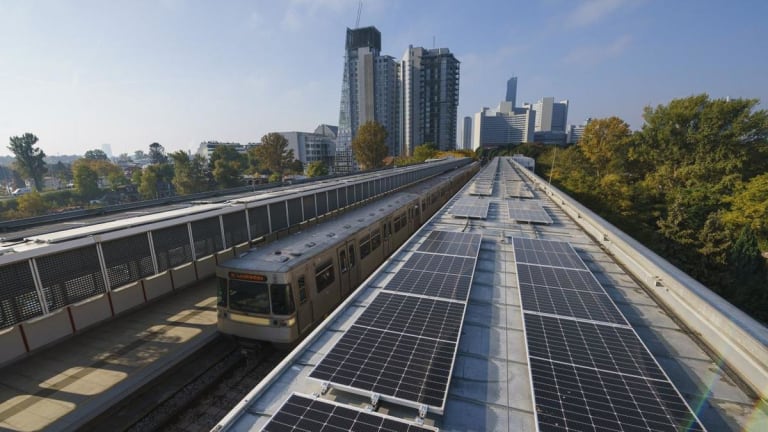
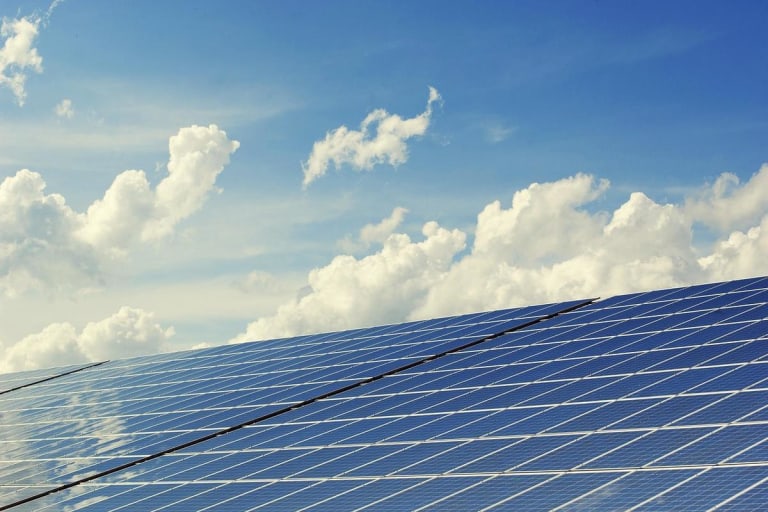
The massive expansion of Distributed Generation (DG) has radically altered the traditional logic of the power system, turning consumers into active electricity generators.
When thousands of solar panels inject surplus energy into the grid simultaneously, a reverse power flow phenomenon occurs, requiring complex technical adjustments to prevent voltage fluctuations.
This behavior intensifies the effect known as the “duck curve,” where grid demand plummets during sunny hours and spikes suddenly at nightfall.
The growth of electromobility and the increased use of air conditioning units further exacerbate this scenario, demanding unprecedented flexibility from energy operators.
Lactec highlighted:
“The national infrastructure faces the challenge of becoming resilient and intelligent. This is driven by the massive rise of solar Distributed Generation (DG), the advancement of electromobility, consumer demands, and the significant increase in extreme weather events.”
Digitization and proactive monitoring
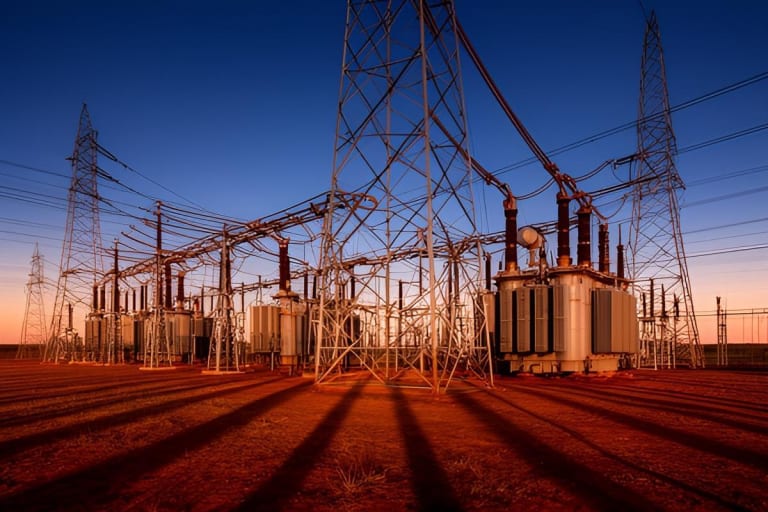
The implementation of smart meters and sensors across medium and low-voltage circuits increases real-time visibility into grid behavior.
However, practical experience shows that covering the entire geographic scope with individual tele-metering faces significant logistical and connectivity challenges.
A strategy of monitoring strategic sections is emerging as a viable solution to identify faults quickly and combat non-technical losses, such as fraud in solar systems.
Automation as a response to weather events
The storms and high winds that frequently hit Brazil reinforce the extreme vulnerability of overhead power lines, which are susceptible to falling trees.
While underground cabling is an alternative to increase safety, the high financial cost makes large-scale conversion unfeasible.
Experts stated:
“Burying 100% of the cables would require multibillion-dollar investments that could not be covered by electricity tariffs.”
Given this, automation using reclosers and sectionalizing switches is emerging as a high-impact, lower-cost solution.
The technology known as self-healing allows the grid to reconfigure its pathways in seconds, isolating faults and keeping most consumers powered.
Edge AI and battery storage
The massive volume of data generated by connected equipment requires real-time processing capacity to prevent decision-making bottlenecks.
With Edge AI technology, artificial intelligence is now running directly on field equipment, identifying anomalies without overloading central systems.
Engineers emphasized:
“Simply capturing grid data is not enough; it must be processed with agility to obtain immediate responses.”
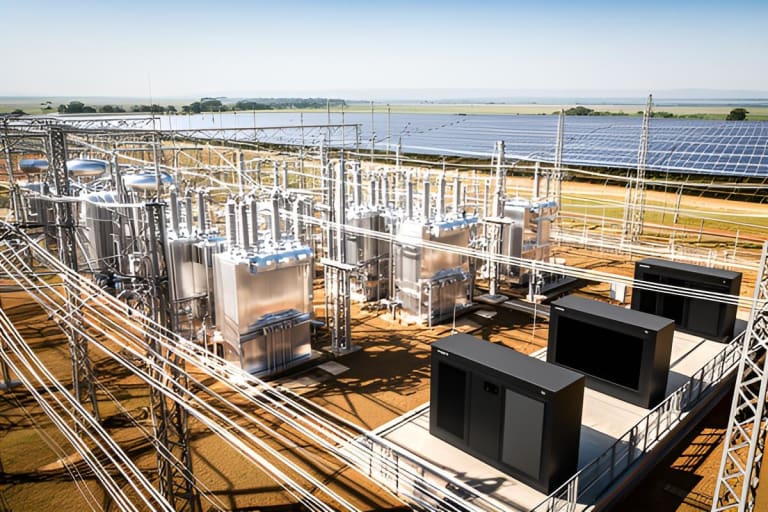
Complementarily, battery energy storage systems (BESS) are emerging as a key component to absorb excess energy generated during the day and release it during peak nighttime consumption.
The future of power grids in Brazil
The consolidation of a modern and resilient infrastructure depends on cooperation between utilities, technology manufacturers, regulatory bodies, and research centers.
Strategic projects like Future Grid, led by Lactec in partnership with Embrapii, play a crucial role in transforming innovations into market-ready products.
This technological integration will ensure that the transition to clean energy sources occurs alongside the stability and security necessary for the development of the national energy sector.