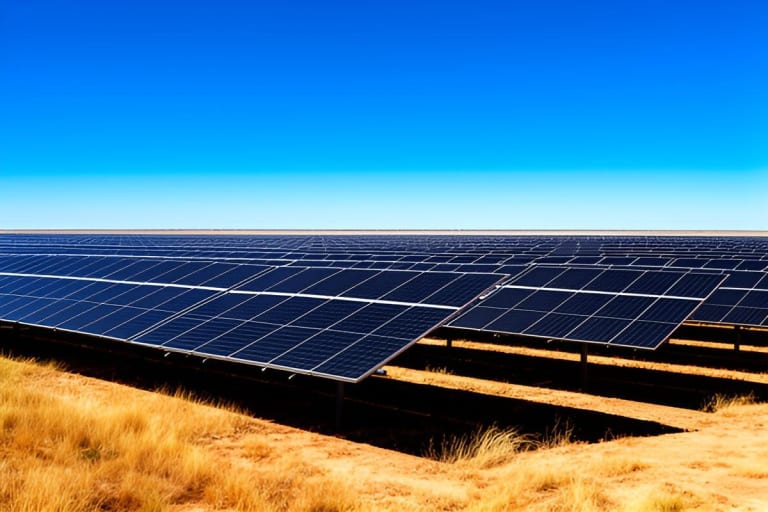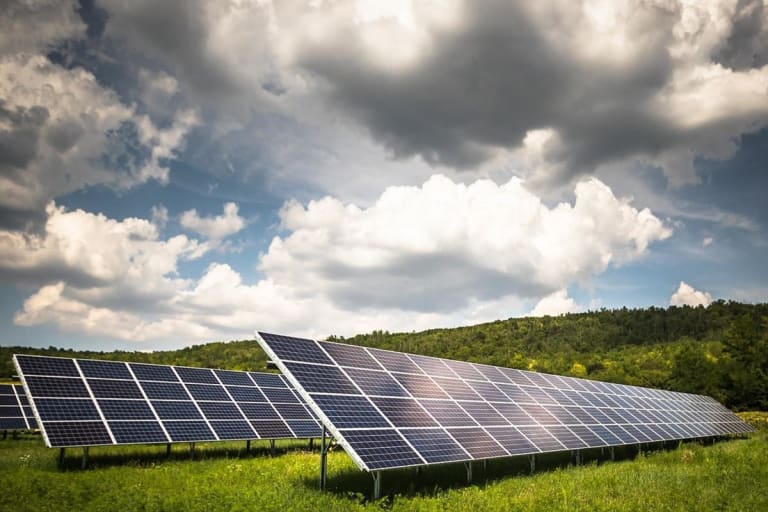
Following the slowdown in renewable energy expansion in Brazil, experts warn that the viability of solar power plants depends on a detailed analysis of grid connection, regulations, and operational risks.
The growth pace of the solar energy sector in Brazil has recently slowed, calling for greater caution from investors. Data from consulting firm BloombergNEF indicates that clean energy expansion totaled 17 GW in 2025, compared to 24 GW recorded the previous year.
While the numbers reflect a market slowdown, the scenario does not mean photovoltaic projects are no longer attractive. However, financial viability now demands a rigorous look at factors such as contracts, location, and transmission infrastructure.
Understanding the Sector’s Decline in Numbers
The 27% decline in new installations affected the different segments of solar generation in the country in distinct ways. Utility-scale solar plants saw the largest drop, adding 3 GW in 2025 compared to 7 GW in 2024.
Meanwhile, distributed generation, which covers systems installed on residential and commercial rooftops, shifted from 13 GW to 12 GW. Economic factors, regulatory uncertainties, and grid constraints explain this deceleration.
Technical Challenges and the Risk of Generation Curtailment
One of the most critical issues for large-scale projects is curtailment, when the system operator reduces a plant’s output to maintain grid stability. In these cases, the facility can generate power but is prevented from delivering and billing for it.
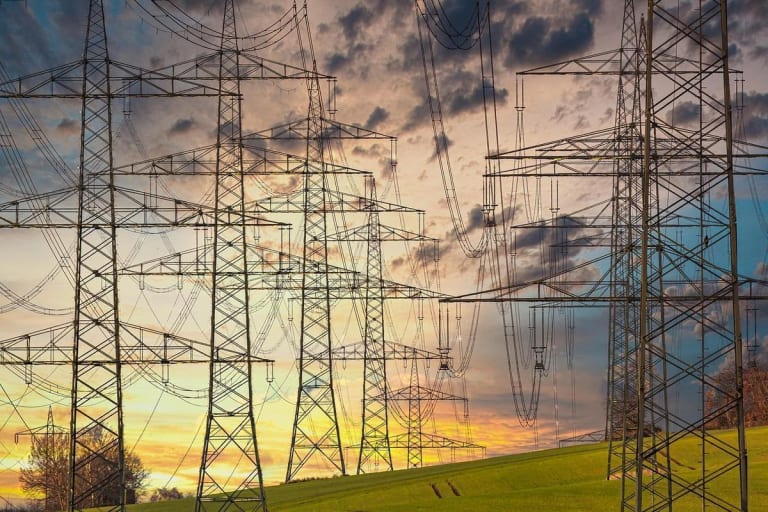
Additionally, connection capacity bottlenecks and delays in transmission construction can turn cheap land into highly costly investments. In light of this scenario, analysts emphasize the importance of evaluating the actual conditions of each project:
Industry news serves as a warning to test assumptions, not a death sentence for solar energy.
Projects focused on rooftop self-consumption follow a different logic than utility-scale power plants, as they aim to reduce local electricity bills and rely on net metering rules from the utility provider.
Assessing Viability Before Investing
Before closing a deal, it is crucial to request generation simulations based on conservative solar radiation history and equipment degradation. It is also essential to clearly verify grid connection costs and timelines.
Another essential precaution involves modeling financial scenarios with lower-than-expected revenue and incorporating expenses for maintenance, insurance, and parts replacement over the years.
Outlook for the Photovoltaic Market
The Ten-Year Energy Expansion Plan (PDE 2036), prepared by EPE, points out that solar power will continue to grow in the country, driving demand for storage solutions and transmission grid expansion.
The future of solar energy in Brazil remains promising, but requires decisions based on individualized technical analysis and realistic budgetary assumptions to ensure ongoing profitability.