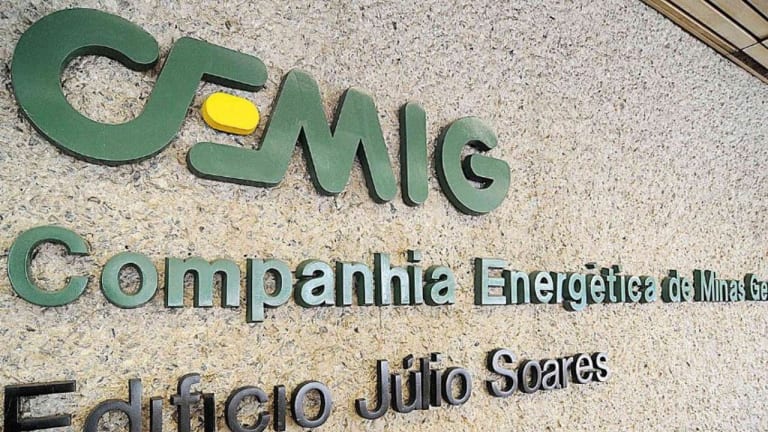
Newly elected Governor of Minas Gerais, Cleitinho Azevedo, has put an end to plans to privatize Cemig, ensuring that the power sector giant will remain under state control.
The future of Cemig (Companhia Energética de Minas Gerais) has taken a completely different direction for the coming years. During the 2026 electoral campaign, discussions regarding the sale of the clean energy and electricity utility were at the center of the political debate in Minas Gerais.
While the previous administration, led by Romeu Zema (Novo), insisted that the government should step away from managing basic services to focus solely on essential areas, the new executive leadership adopted the opposite stance. For the new administration, maintaining control over cash-generating assets is strategic.
Shift in Minas Gerais Energy Policy
The privatization topic had gained momentum in late 2024 when a formal bill was submitted to the ALMG (Legislative Assembly of Minas Gerais). The intent was to pave the way for private sector entry into electricity services. However, with the first-round victory of Cleitinho Azevedo (Republicanos), this agenda lost momentum and was officially ruled out by the newly elected chief executive.
In an interview with TV Globo’s MG1 newscast, the politician emphasized that profitable public companies should continue providing direct services to society. The priority, according to him, will be administrative efficiency and selecting qualified professionals for the board, rather than selling off the assets of the people of Minas Gerais.
Cemig makes a profit. What I need to do is put competent people in Cemig.
Criticism of Resource Allocation and Focus on Consumers
Another striking point in the governor-elect’s position was his severe criticism of state-owned enterprises directing advertising funds to the sports sector. Recently, the state administration had announced millions in sponsorships for local football club SAFs (Incorporated Athletic Societies), using funds from the energy company itself and Codemge (Minas Gerais Development Company).
For the new manager, these amounts should fulfill a more direct social role, easing the cost of living for citizens. The proposal is to redirect financial gains to lower the tariffs paid by families, ensuring that the utility fulfills its social function toward the state.
They say Cemig doesn’t have money, but they just went and sponsored an SAF. Why don’t they take the leftover money and subsidize the population’s energy bills, since the company is there to serve the state? We don’t have to take a profitable state-owned company and bargain with it. I won’t do that.
With this shift in state economic policy, Cemig is entering a new administrative cycle focused on maintaining public control and pursuing greater social returns. The decision directly impacts the outlook for the energy transition and sustainability investments in the region, ensuring that the cash generated from service delivery continues to directly benefit public coffers and local consumers.