Brazil is bracing for a historic energy transformation: fleet electrification and the expansion of data centers are expected to drive national electricity consumption to 979 TWh by 2036.
The acceleration of the country’s energy transition has moved from a distant promise to a concrete goal. According to the new Ten-Year Energy Expansion Plan (PDE 2036), released for public consultation by the Ministry of Mines and Energy (MME) and the Energy Research Office (EPE), electricity demand in Brazil is projected to grow at an average rate of 3.4% per year over the next decade. The engine of this change is the electrification of the economy, which is impacting everything from transportation to data processing.
The most significant figure in the report is the projected leap for electromobility. The sector is expected to require 15 times more energy in 2036 than in 2026, reaching 15 TWh. This growth is fueled by the popularization of electric vehicles and the strengthening of charging infrastructure throughout the country.
The rise of electromobility and new digital demands
The electrification scenario is supported by automotive market data. In August, electric vehicles accounted for 24.4% of new registrations in Brazil, solidifying the country’s position as the largest electric vehicle market in Latin America, with a fleet exceeding 580,000 units. The PDE 2036 projects that this demand will consist mostly of light vehicles, but with an increasing share of electric buses and trucks.
At the same time, the rise of the digital economy places data centers at the forefront of consumption. These facilities are estimated to increase their energy needs tenfold by 2036, jumping from 3 TWh to 30 TWh. Furthermore, renewable hydrogen production is expected to begin straining the power grid starting in 2031, adding another 3 TWh to the national load.
Challenges for infrastructure and global cooperation
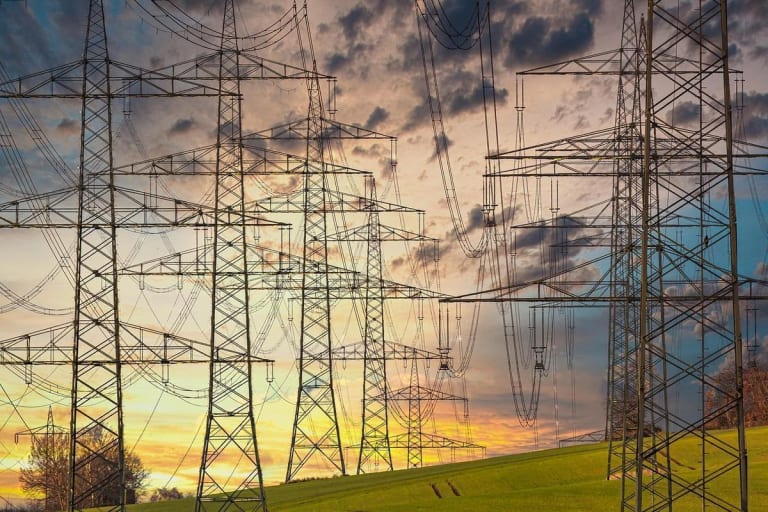
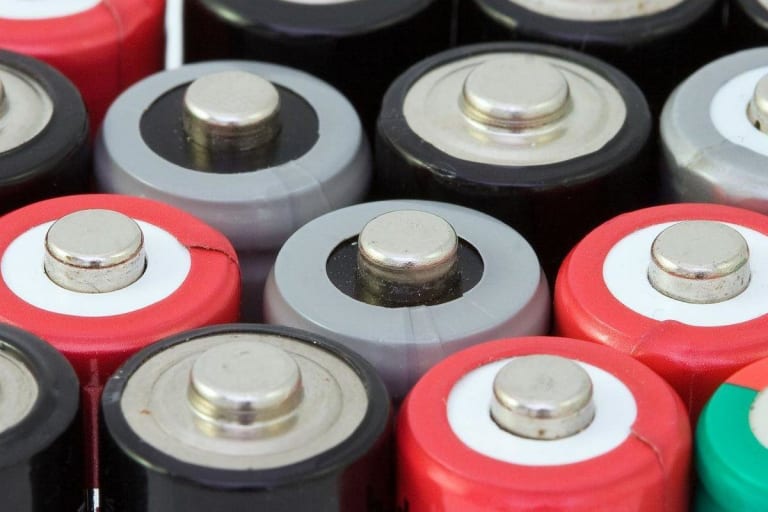
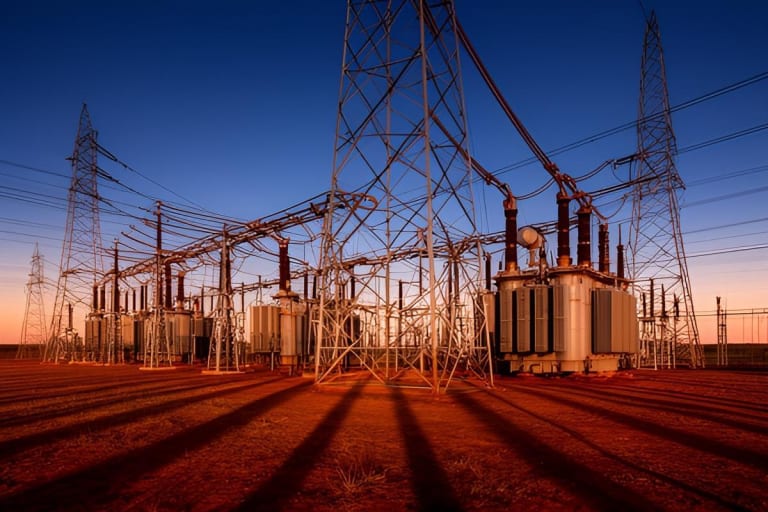
The scale of investment required to support this demand is monumental. Experts point out that, beyond new generation sources, the focus must shift to transmission grids and storage technologies, such as batteries. International cooperation has been essential to aligning these goals, as exemplified by the partnership between the Global Renewables Alliance (GRA) and the Latin American Energy Organization (Olade).
Bruce Douglas, CEO of GRA, notes:
The discussion is about how we can facilitate the exchange of best practices, case studies, and examples of both projects and policies between countries in the region, but also with countries outside it, to help accelerate the region’s development.
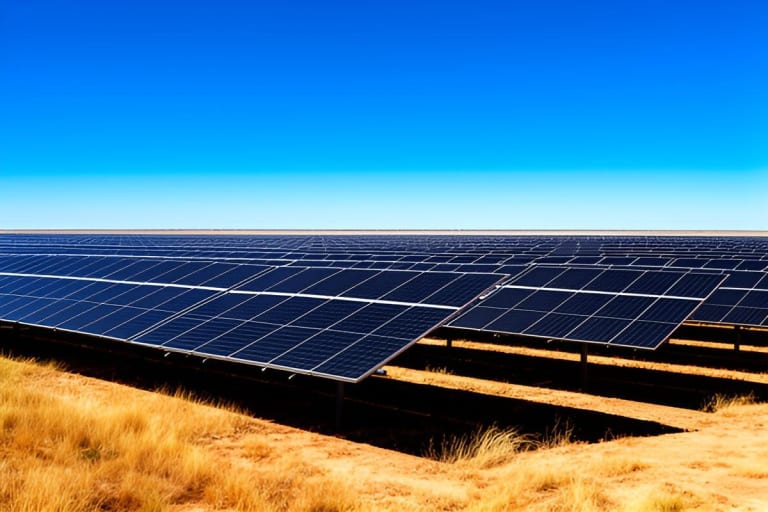
To reach the goal of carbon neutrality, the sector will require a joint effort involving not only the expansion of renewable capacity but also the improvement of the regulatory framework. The success of this transition will demand billions in investment and strategic decisions regarding who will bear the costs of maintaining power system stability. As COP31 approaches as a key milestone for these discussions, Brazil is positioning itself as a global leader in the quest for a cleaner, more resilient, and efficient energy matrix.