
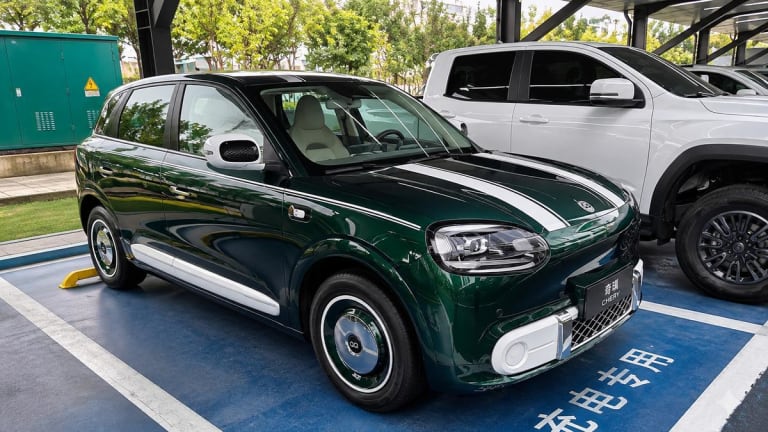
The iconic Chery QQ could return to Brazil as a 123-hp electric hatch under the Omoda brand, aiming to compete with the BYD Dolphin Mini and the Geely EX2.
The Brazilian automotive market may witness the comeback of an emblematic name, but in an entirely new guise. The former Chery QQ, which became a symbol of affordable mobility between 2011 and 2019, is being considered for a return to the country, this time as a 100% electric hatch with technical specifications that place it above the previous generation.
Despite the excitement, the project still faces a crucial strategic hurdle: production viability. For the model, potentially called Omoda QQ, to compete with established rivals such as the BYD Dolphin Mini and the upcoming Geely EX2, Chery International assesses that direct import from China would not be sustainable, making local manufacturing the cornerstone for ensuring competitive prices.
Strategic challenges and the search for a national plant
During User Summit 2026 in Wuhu, the automaker’s leadership made it clear that the Brazilian market is on the radar, but not at any cost. Chery International CEO Zhang Guibing highlighted the complexity of entering a segment where competition is already establishing deep industrial roots on Brazilian soil.
“The Brazilian market offers opportunities, but competition demands a careful strategy,”
the executive noted, emphasizing that national production is a sine qua non for the new project’s success.
The rivals are moving aggressively. While BYD uses the SKD assembly system in Camaçari (BA), Geely is preparing ground in Paraná. The need to keep pace highlights the potential use of strategic manufacturing facilities, such as the former Jaguar Land Rover plant in Itatiaia (RJ), although no official negotiations have been formalized to date.
Technology and Size Superior to the Competition
Unlike the compact model Brazilians are familiar with, the new QQ3—originally named in China—has grown significantly. With a length of 4.19 meters and a wheelbase of 2.70 meters, the hatchback outpaces its main direct competitors in size. The space gain is optimized by the T12 platform, which prioritizes interior livability and versatile cargo capacity.
The model pairs a 15.6‑inch multimedia center with an 8.8‑inch digital dashboard, aiming for a finish that elevates the perceived value of the entry‑level segment. Safety was also prioritized, with a body made of 82% high‑strength steel.
Under the hood, performance is delivered by a rear electric motor that produces 123 horsepower. Powered by lithium‑iron‑phosphate (LFP) batteries, the hatch promises a range of up to 420 kilometers on the Chinese CLTC cycle. While this figure requires validation against the rigorous criteria of Inmetro, the mechanical setup is seen by the manufacturer as the most balanced for the Brazilian market.
The future of the Omoda QQ in Brazil remains a commercial question mark, strictly dependent on the maturation of the brand’s industrial plans. As the competitive landscape intensifies with the arrival of brands such as GAC and MG, slated for 2027, the return of the QQ symbolizes Chery’s transformation into a manufacturer that now prioritizes technology and production scale over a low‑cost niche strategy.