
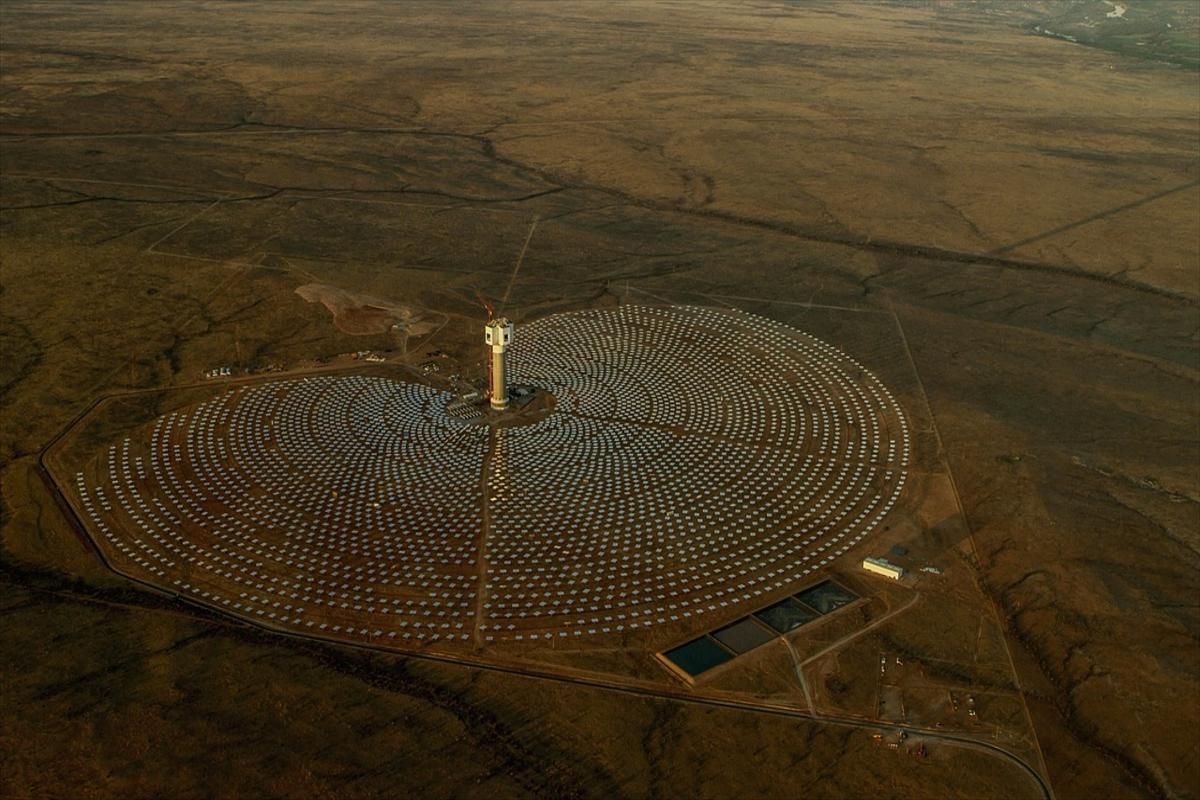
A recent study reveals an alarming fact for the clean energy sector: out of every ten hectares of native vegetation replaced by solar plants and wind farms in Brazil, eight are located in the Caatinga.
The expansion of Brazil’s renewable energy mix has accelerated rapidly to ensure the country’s energy security and economic development. However, this rapid growth brings a significant environmental challenge.
The race to install photovoltaic plants and wind energy complexes has dramatically altered the landscape of key national biomes.
New data show that the Caatinga has been the primary territorial target for these structures. While the country seeks sustainable alternatives in the energy transition, the suppression of native vegetation in the region raises crucial debates about the urgent need for long‑term territorial planning and environmental conservation.
The Growth of Installations in the Caatinga
Between 2015 and 2025, the area occupied by solar and wind energy installations in the Caatinga grew impressively, multiplying by 12.6. The territory expanded from 4.2 thousand hectares to an impressive 52.4 thousand hectares.
Of the national total, about 79% of native vegetation suppression occurred precisely within this exclusively Brazilian biome, highlighting a significant concentration of projects in the Northeast region.
The Territorial Dispute Between Solar and Wind Energy
Detailed mapping shows that the Caatinga holds 63% of the area allocated to solar plants and 85% of the country’s wind farms. Historically led by wind, the local energy mix has seen photovoltaic power surpass wind generation in land area.
States such as Minas Gerais, Bahia, Rio Grande do Norte, Ceará and Piauí lead the occupation of these areas, which were previously predominantly covered by native vegetation or used for agriculture.
Professor Washington Rocha highlights:
Solar and wind power production is essential for Brazil’s economic development and energy security, and the Northeast plays a central role in generation. The challenge is to ensure that this expansion does not compromise the preservation of native Caatinga vegetation, especially in areas critical for conservation. With proper planning, it is possible to increase clean energy generation without sacrificing bioma protection.
Future Challenges for Sustainability
Although they currently occupy less than 1% of the bioma, the mass arrival of clean energy projects adds to historic pressures, such as pasture and agricultural expansion.
Experts warn that continuous monitoring, provided by initiatives such as the MapBiomas platform, is indispensable.
The future of sustainability in the electric sector will depend on stricter ecological zoning guidelines. Ensuring that the expansion of renewable sources occurs in harmony with biodiversity preservation will be the ultimate test to establish Brazil as a global reference in responsible energy transition.