

Government Extends Deadline for Contributions on Electric Vehicle Charging Infrastructure.
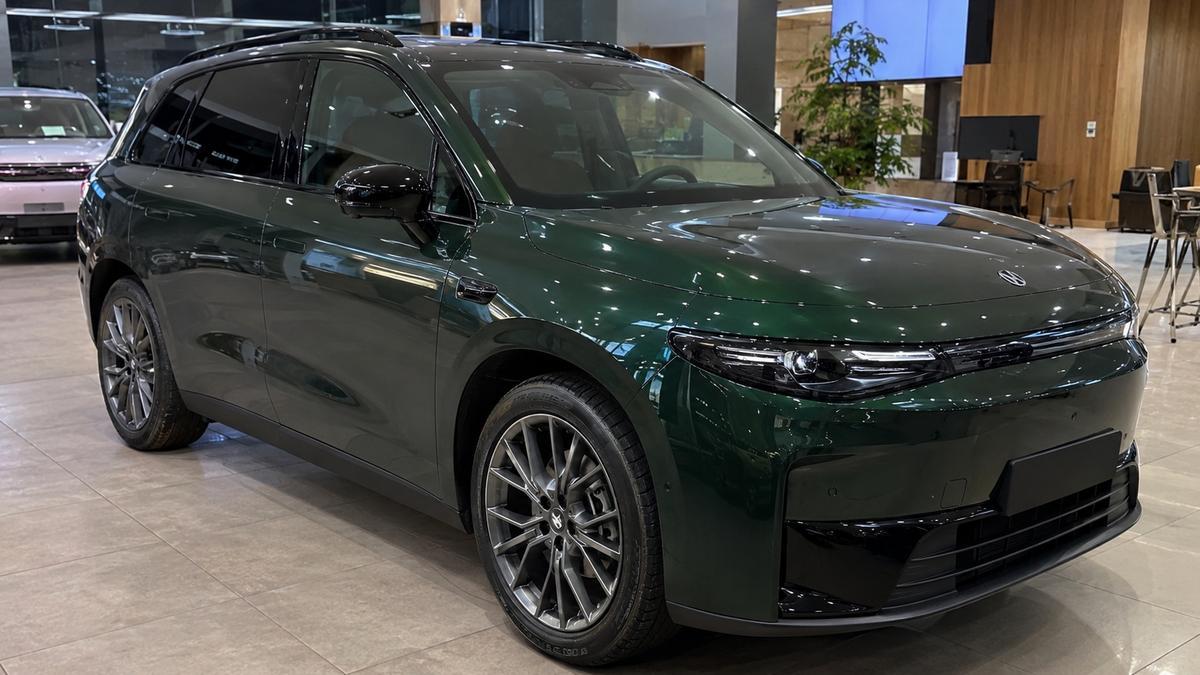
The Ministry of Mines and Energy (MME) has decided to extend the period until November 30 for civil society to submit its contributions to the public consultation on electric vehicle charging infrastructure and its integration with power grids. This initiative aims to gather input for an in-depth diagnosis that will serve as the basis for future regulations, investment direction by energy distributors, and improvement of national energy planning.
The expansion of electromobility in the country raises a number of critical issues for the electric sector. The government seeks to understand and propose solutions to challenges such as the difficulty of installing charging points in residential condominiums, the scarcity of public charging stations, the need for reinforcement of distribution network infrastructure to support growing demand, and the viability of tariff models that consider peak hours and demand response.
Additionally, the consultation covers the creation of specific solutions for electric bus fleets, logistics vehicles, ride‑share cars, and the installation of fast chargers on highways. The goal is to anticipate and mitigate bottlenecks, ensuring that the transition to electric vehicles occurs sustainably and efficiently for the entire Brazilian electric system.
Projections Point to Significant Growth in Demand for Energy for Electric Vehicles
Projections from the Energy Research Company (EPE) indicate a substantial jump in electricity demand to power the electric vehicle fleet. Estimates suggest that demand will rise from 1.3 terawatt‑hours (TWh) in 2026 to about 14.8 TWh in 2036. Over a decade, electromobility could account for 1.5% of the country’s total energy consumption.
This accelerated growth scenario, with an average annual rate of 27%, underscores the urgency of coordinated planning for the expansion of all stages of the energy chain: generation, transmission, and distribution. The EPE emphasizes that not only the volume of energy consumed but also the timing and geographic location of charging are decisive factors for assessing impacts on the electric system.
The concentration of loads at specific times can amplify demand peaks, requiring additional investments in distribution networks, especially in areas with a high density of electric vehicles. This planning becomes even more complex when we consider the potential of the vehicles’ own batteries.
Electric vehicle batteries as a flexibility tool for the system
Electric vehicle batteries represent a significant energy storage potential. Projections from the EPE indicate that by 2036, the country could have a battery park with a total storage capacity of 222 gigawatt‑hours (GWh).
Although the primary function of these batteries is to provide power for mobility, the EPE sees an opportunity to use them as a complementary source of flexibility for the electric grid. Part of this capacity could be employed to absorb excess distributed solar generation, for example, or to support demand‑response programs, helping balance the system during critical moments.
These projections are detailed in the electromobility booklet of the Decennial Energy Expansion Plan 2036 (PDE 2036). The document also reveals that in 2036, electrified vehicles will account for 36% of new registrations of passenger and light commercial cars. This means the circulating fleet of these categories should reach about 9.7 million units, representing 15% of all vehicles on the road.
The extension of the public consultation period demonstrates the importance the MME places on this topic. Public participation and industry stakeholders are essential to build a robust regulatory framework that drives electric vehicle adoption while ensuring the safety and efficiency of electricity supply across the Brazil. The next steps will involve reviewing the received contributions and consolidating an action plan for charging infrastructure.