
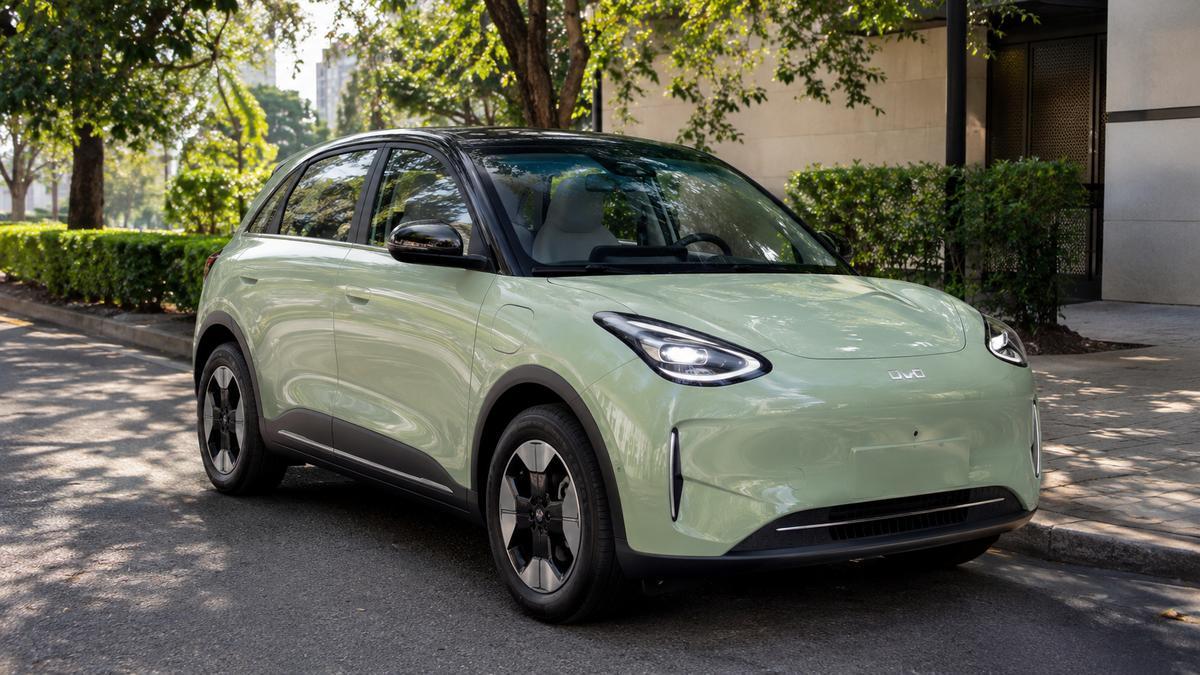
The compact electric Geely EX2 is experiencing a 75% drop in Brazilian registrations, driven by logistical bottlenecks and high global demand, with expectations of normalization through domestic production soon.
The Brazilian automotive market was surprised in recent months by an atypical movement involving the Geely EX2. After a meteoric debut, where the model ranked among the ten best-selling cars in the country with about 5.9 thousand units registered in July alone, the scenario changed dramatically.
Between July and October 2026, licensing records fell almost 75%, leaving only 1,483 units registered in the last month.
Despite the sharp decline in numbers, the manufacturer clarified that the phenomenon does not reflect a loss of consumer interest in the electric hatch, but rather a severe availability crisis.
In an official statement issued on November 3, Geely admitted that international logistical problems and global sales success—pressuring delivery capacity in several countries simultaneously—emptied the showrooms of Brazilian dealerships.
Delivery bottlenecks and the manufacturer’s response
The shortage directly affected the buying journey, with reports of customers facing wait times of up to 120 days to receive the vehicle.
The automaker, through the structure of Renault Geely do Brasil, acknowledged lead times of up to 90 days but assures that demand remains hot.
To reassure the market, the company reinforced its commitment to buyers who already have confirmed orders.
Existing orders will retain the prices and financing terms established at the time of reservation, with no adjustments.
The manufacturer noted this in a statement, attempting to mitigate the impact of the prolonged wait on the already loyal customer base.
In addition to the promise of new import batches to close the year, the brand’s strategy is clear: reduce dependence on external logistics.
Starting in December 2026, the Complexo Ayrton Senna, located in São José dos Pinhais (PR), will begin domestic production of the model, leveraging the industrial capacity of partner Renault.
Outlook for 2027
The transition to local manufacturing is the company’s main asset to normalize distribution.
Ariel Montenegro, president of Renault Geely do Brasil, indicated that the delivery flow should be regularized only in the early months of 2027.
However, industry experts warn that domestic production does not guarantee lower prices immediately, as component costs and the efficiency of the local supply chain will be decisive.
While the situation remains unstable, the Geely EX2 retains its competitive advantages: a 116-horsepower engine, 289 km of range approved by Inmetro, and a robust tech package in the Pro and Max variants.
For those considering a purchase, the current recommendation is caution: verify the availability of units in stock or rigorously document wait times before finalizing any reservation contract.
The next quarter will be decisive in determining whether the model will return to the top of the rankings or whether the supply crisis will leave lasting scars on its commercial performance.