Discover how advanced battery technology ensures the continuity of elections in Brazil, keeping electronic voting machines running even without mains electricity.
Power outages typically cause concern across various sectors, but clean energy systems and portable storage play a crucial role in safeguarding democracy. Ahead of the 2026 General Elections, the Brazilian Electoral Judiciary emphasizes that grid failures will not paralyze the voting process, thanks to a robust energy autonomy system powered by high-performance batteries.
With more than 158 million eligible voters, the TSE (Superior Electoral Court) has prepared a technological park consisting of hundreds of thousands of devices. This technological setup was designed to operate autonomously, ensuring that the right to vote is exercised with complete security, regardless of adverse weather conditions or urban power distribution failures.
The Evolution of Batteries in Electronic Voting Machines
To ensure that elections take place without interruptions, electronic voting machines utilize a dual-power system. Although connected to the standard electrical grid during operation, the equipment features autonomous power sources capable of maintaining continuous activity for approximately 12 hours in the event of blackouts.
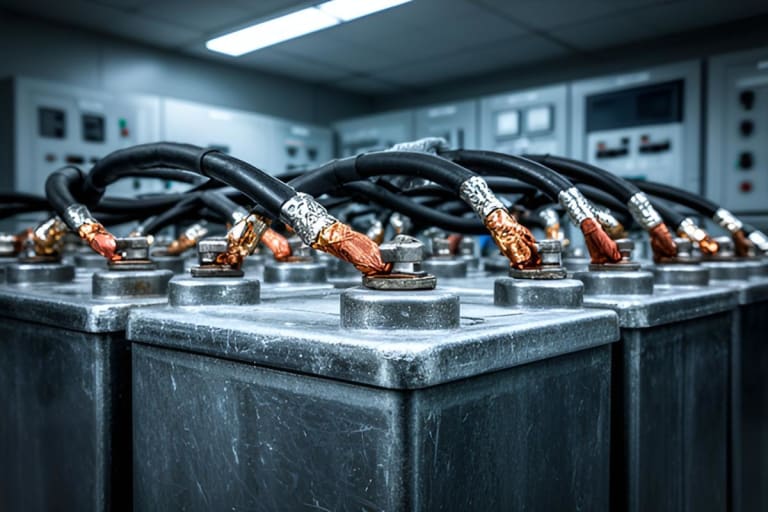
According to the TRE-SP (Regional Electoral Court of São Paulo), traditional models—such as the UE2013 and UE2015—use 7 Ah lead-acid batteries. However, the fleet has undergone a major energy modernization with the introduction of the UE2020 and UE2022 versions.
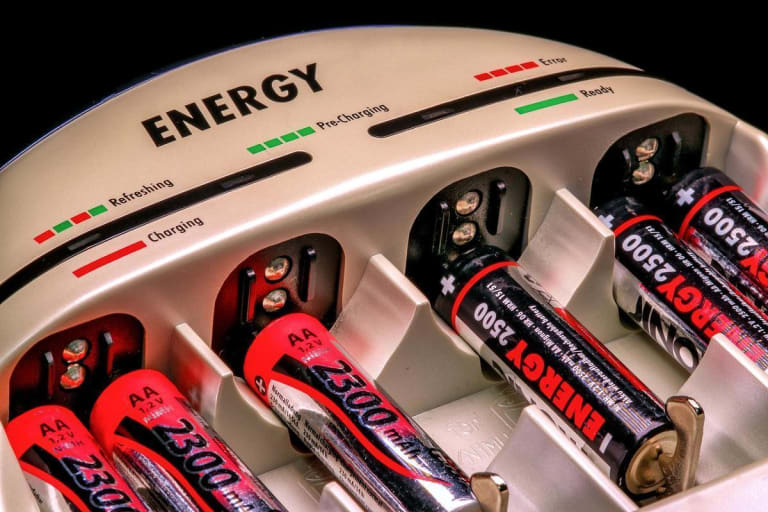
These newer generations have adopted 9 Ah lithium iron phosphate (LiFePO4) technology, an innovation within the lithium-ion battery family. Today, these more efficient models account for an impressive 77% of all equipment used nationwide, demonstrating a significant advancement in energy storage efficiency and durability.
Energy Security and Technological Isolation
Beyond the autonomy provided by internal rechargeable batteries, the electoral infrastructure relies on robust contingency plans. The TRE-SP points out that in scenarios of prolonged blackouts, technical teams can connect additional external batteries to the voting terminals.
The TRE-SP stated:
The voting machine has its own battery with an autonomy of approximately 12 hours, and in emergency situations, external batteries can be used to ensure continuous voting.
Another fundamental pillar for the resilience of the elections is the complete digital isolation of the equipment. The TSE emphasizes that the devices operate entirely offline while collecting votes, without relying on Wi-Fi, Bluetooth, or internet connections. Data transmission only takes place during a later, isolated stage.
Thus, the combination of next-generation lithium-ion batteries and independence from data networks ensures that Brazil’s democratic process remains shielded from failures in traditional energy and telecommunications infrastructure.
Continuous investment in energy storage solutions and equipment decentralization demonstrate a commitment to resilience and innovation. Looking ahead, the sustainable energy sector is expected to continue inspiring operational efficiency improvements for major civic events, ensuring security and reliability for the entire population.