
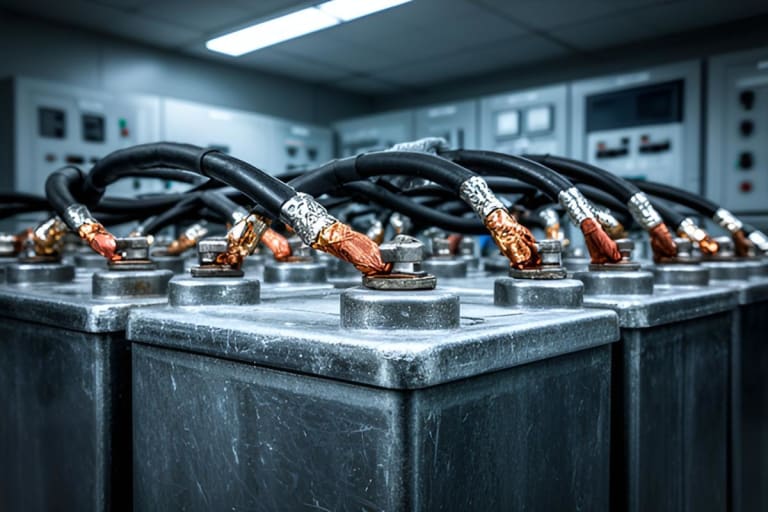
Study indicates that the use of battery energy storage systems could generate an annual savings of six billion reais in the national power sector.
Brazil’s energy transition is gaining new momentum with optimistic projections for modernizing the electricity matrix. According to recent research developed by ABSAE in partnership with consulting firm Volt Robotics, the adoption of advanced energy storage technologies could represent a significant savings of up to R$ 6 billion annually for the Brazilian electrical system.
This positive financial impact is directly associated with the support that batteries can provide to meet future capacity demand in the SIN, estimated between 4.5 GW and 6.5 GW by 2028. The integration of this innovative technology promises to transform grid operating dynamics and optimize available resources across the country.
Efficiency and Cost Reduction in Generation
The survey details that the economic benefits stem from multiple factors, such as the reduction of sector charges, smart energy arbitrage, a drop in the emergency use of thermal power plants, and the utilization of excess generation from renewable sources that is currently wasted due to curtailment and spillage.
With a strategic focus on peak consumption hours, so-called BESS demonstrate an impressive competitive advantage. The effective cost of this solution is between 37% and 57% cheaper when compared to the parameters established in the last Capacity Reserve Auction, making the technology highly attractive to the market.
Sustainability and Next Steps
The technology not only relieves the sector’s budget, but also prevents the release of approximately 6 million tons of CO₂ annually, directly combating pollutant emissions from thermal power plants.
As Brazil moves toward a clean energy future, the regulation and implementation of storage systems are becoming essential. The expansion of this infrastructure consolidates a more resilient, sustainable model prepared for the climate and economic challenges of the coming years.