Enel São Paulo has drastically reduced emergency response times, climbed the national Aneel ranking, and cut prolonged power outages through billion-dollar investments.
The clean energy and electrical infrastructure sector in Brazil is undergoing major transformations driven by the need for greater reliability in power distribution. Recently, Enel São Paulo recorded a significant improvement in its operational indicators, standing out for its agility in supporting the population and modernizing the grid that serves millions of consumers in the state.
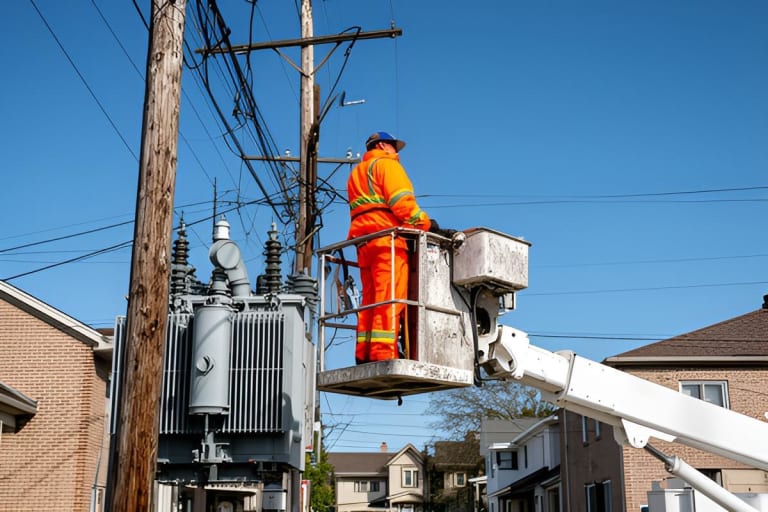
According to official data from Aneel, the utility managed to reduce the time required to resolve emergency incidents by more than half. This logistical and operational advancement allowed the company to jump 26 positions in the national ranking for TMae (Average Emergency Response Time), currently securing 5th place overall in the country.
Strategic Investments in the Power Grid
The significant improvement in sustainable energy services and continuous supply is the direct result of a robust cycle of financial investments. Between 2024 and July 2026, investments directed to the state of São Paulo reached R$ 6.5 billion. Energy market analysts point out that the approximately 73% growth in allocated resources between 2023 and 2025 was crucial to sustaining operations.
The injected capital was primarily directed toward preventive measures, such as intensified tree pruning, reinforcement of field technical teams, and automation of energy systems. With this strategy, the distributor managed to mitigate structural failures and optimize the service workflow across its vast concession area.
Historic Drop in Prolonged Outages
The evolution of key indicators reflects a continuous commitment to operational excellence and infrastructure modernization, ensuring an increasingly stable power supply for the residents of São Paulo.
Another highly relevant piece of data released by Aneel refers to the drastic drop in so-called prolonged interruptions. Blackouts lasting longer than 24 hours experienced an impressive 97% reduction during the evaluated period. This rate demonstrates greater grid resilience against extreme weather events, which are increasingly common in the metropolitan region.
These improvements directly benefit an estimated population of 23 million people, ensuring greater predictability for homes, businesses, and industrial hubs that depend on a reliable electricity matrix to drive their daily activities.
The progress made by Enel São Paulo signals a positive trend for the future of the energy transition and grid management in Brazil. With projections of continued financial contributions and a focus on smart monitoring technologies, expectations are that quality standards will continue to rise. This scenario strengthens consumer security and prepares the electrical sector for the climate and demand challenges of the coming years.