A milestone for agribusiness: three-phase power reaches rural areas under new bill
A significant breakthrough for Brazil’s agricultural sector is currently under debate in the Chamber of Deputies. Bill No. 2289/26 proposes making it mandatory to upgrade single-phase power grids to three-phase systems on rural properties. This shift aims to meet the growing demand for high-power energy in modern agricultural activities, boosting productivity and the adoption of new technologies in the countryside.
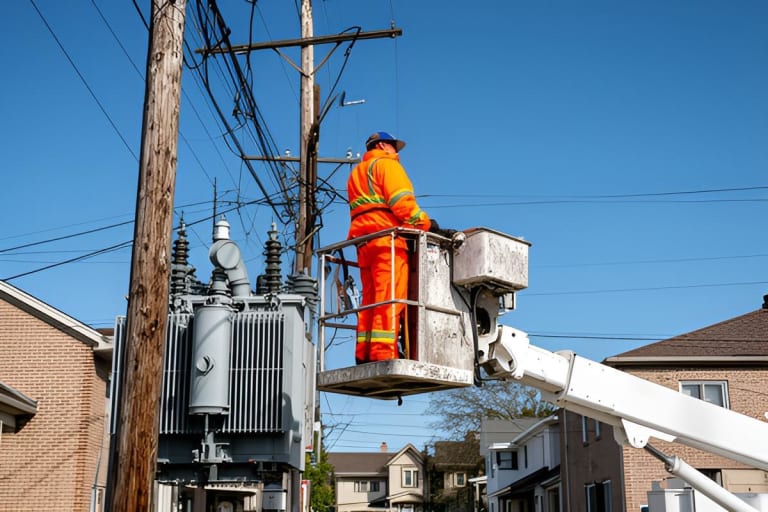
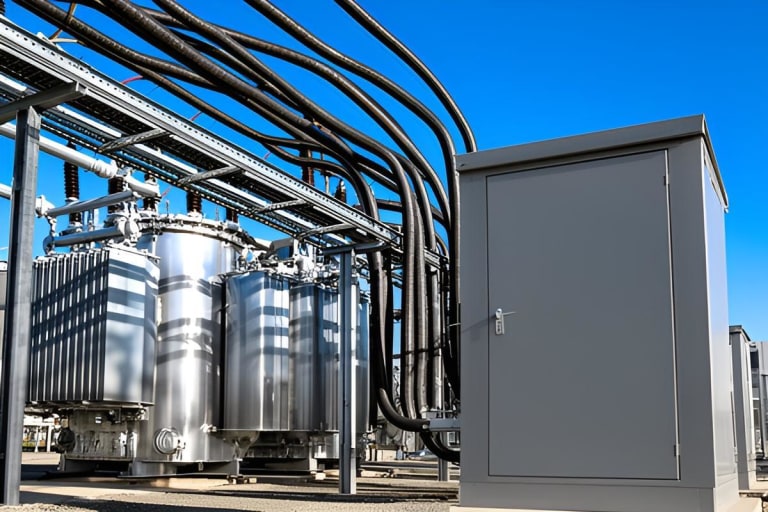
The current single-phase infrastructure, while sufficient for basic residential consumption, limits the use of equipment essential to agribusiness, such as irrigation pumps, refrigeration systems, and large-scale agricultural machinery. The transition to a three-phase grid represents a qualitative leap in energy supply, opening doors for advanced mechanization and the optimization of production processes that depend on greater energy capacity.
Infrastructure and eligibility for three-phase power
To make the grid conversion viable, the bill establishes clear criteria. The existing single-phase grid must have a minimum of five years of operation. In addition, rural consumers must prove the need for greater electrical load for their productive activity and demonstrate the technical feasibility of the change. The proposal particularly prioritizes family farmers and production units that are part of strategic production chains, recognizing their fundamental role in the national economy.
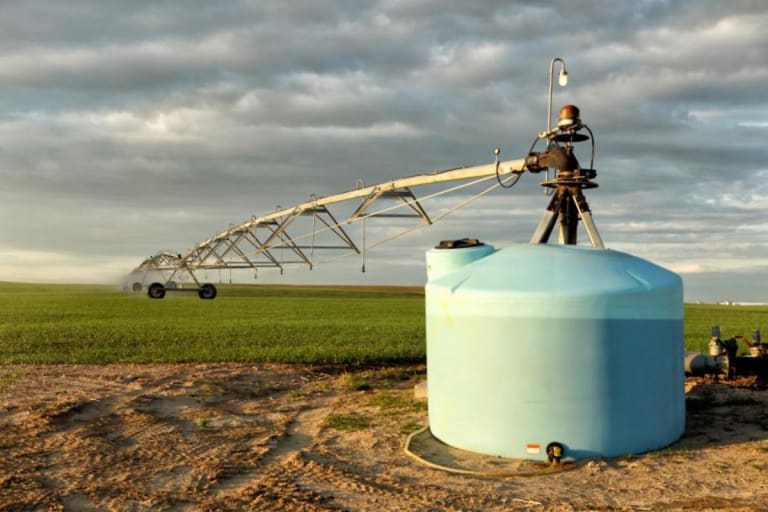
The focus extends to activities that naturally demand high energy consumption, such as irrigation, product refrigeration, storage, processing, and mechanization. These areas are vital for the competitiveness and sustainability of agribusiness, and three-phase power is an indispensable enabler for their full development.
Deadlines and procedures for conversion
The bill also details the procedures and deadlines for requesting and executing the grid conversion. Power utilities will have up to five business days to verify the documentation submitted by the consumer and, subsequently, 30 days to analyze the request. In the event of a denial, the technical reasons preventing the conversion must be explicitly communicated to the applicant, ensuring transparency in the process.
Congressman Evair Vieira de Melo (Republicanos-ES), author of the proposal, points out:
“Considering that agricultural activities are increasingly incorporating technologies that require access to quality electricity, it is necessary to guarantee the improvement of connections in rural areas”
The lawmaker’s justification underscores the urgency of modernizing rural energy infrastructure to keep pace with the sector’s technological advancements.
If approved, the implementation of the grid conversion works will have deadlines ranging from 60, 120, or 180 days, depending on the complexity, voltage, and length of the grid. Larger-scale projects may receive a single extension of up to 180 days. This bill is undergoing conclusive review in the committees on Mines and Energy; Agriculture, Livestock, Supply and Rural Development; Finance and Taxation; and Constitution and Justice and Citizenship, and its approval by the Chamber and the Senate will turn it into law.
Impact and future of energy in rural areas
The potential approval of this law represents a turning point for the modernization of the Brazilian countryside. By guaranteeing access to three-phase power, the project not only boosts productive efficiency, but also paves the way for the electrification of new technologies and the sustainability of agricultural operations. This improvement in energy infrastructure is expected to help reduce costs, increase competitiveness, and attract investment to agribusiness, strengthening its position on the national and international stage. The next steps will depend on its progress and approval through the remaining committees and legislative houses.