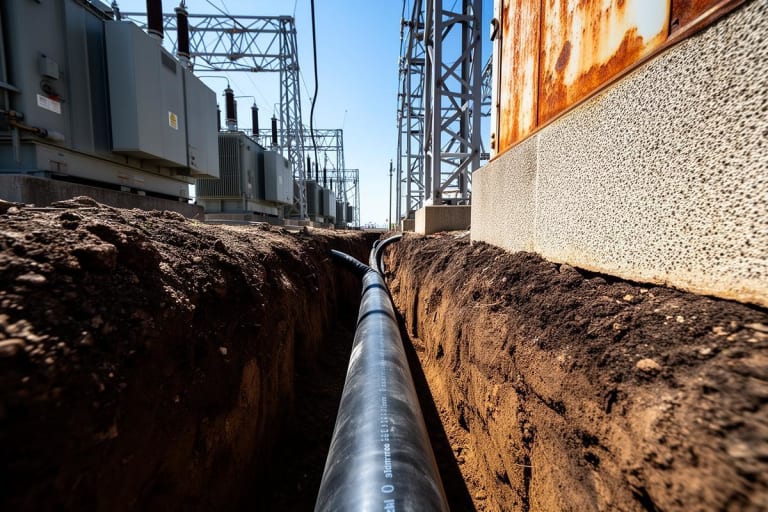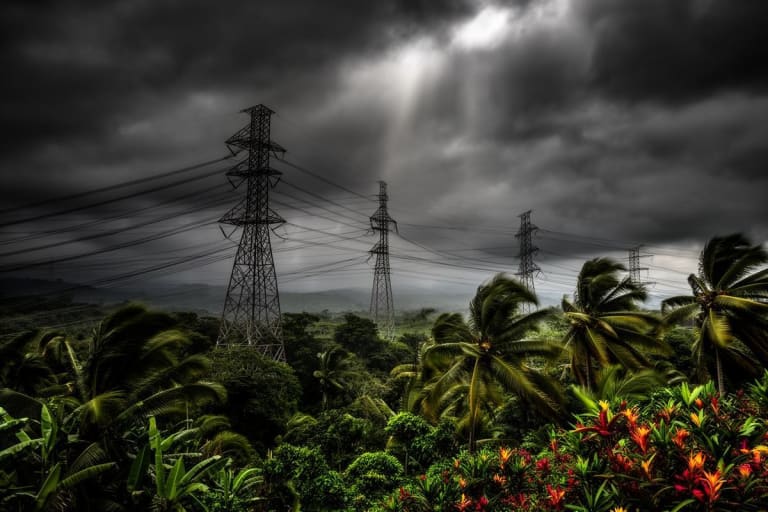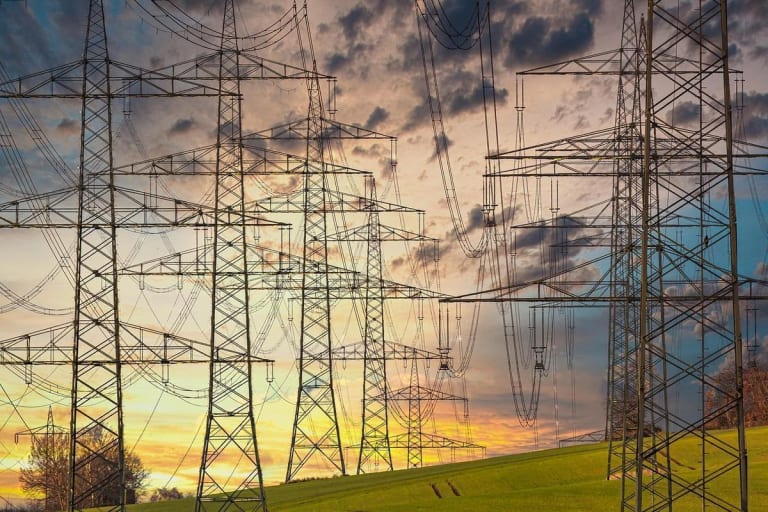
Focusing on climate resilience, Taesa has invested R$ 15 million over the past two years to protect its transmission lines against the severe effects of the El Niño phenomenon.
Taesa, a giant in Brazil’s power transmission sector, has intensified its strategic planning to mitigate the impacts of extreme weather events. With the forecast intensification of El Niño, the company is focused on safeguarding its electrical infrastructure against distinct threats that vary by region across the country, thereby ensuring continuity of supply and national energy security.
To enable these operations, the company allocated R$ 15 million over the past two years. This amount was directed towards preventive actions, specialized maintenance, and improvements in its rapid response structure. The objective is to ensure that its vast 16,600 km network, which spans 19 states, can withstand meteorological phenomena that tend to become more frequent and aggressive.
Region-Specific Prevention
The challenges posed by the climate require Taesa to adopt a customized approach in each territory. According to Luiz Alves, the company’s Technical Director, the strategy considers the specific characteristics of each operational zone:
“In the South, until November, we have a forecast for many strong wind events, storms, and even tornadoes that could affect our transmission lines. In the North and Northeast, the main impact we are seeing is related to wildfires, burned areas, and fires near our lines.”
This regional approach allows the company to strategically mobilize technical teams and equipment, optimizing response time in case of failures or damage caused by winds or fire outbreaks near the towers.
Response to Extreme Events
The company’s preparation is not limited to physical asset maintenance. Taesa is focusing on establishing a robust contingency plan. As Luiz Alves explained:
“With El Niño, we have to be prepared for the worst. And being prepared for the worst means having an adequate contingency plan, having teams, equipment, and an entire structure that allows for a rapid response should any extreme event occur.”
This preparation is vital for the National Interconnected System (SIN). The Brazilian electric sector, as a whole, has sought alternatives, including the strategic management of the Itaipu Hydropower Plant’s reservoir, to ensure that power generation remains stable despite climatic uncertainties. Taesa’s actions reinforce the private sector’s commitment to collaborating with system stability in the face of climate changes that challenge the resilience of the national grid.