The resilience of Brazil’s power grid in the face of extreme weather events is a challenge that demands critical financial decisions.
Brazil is facing a fundamental dilemma in managing its power infrastructure: how much should it invest to ensure the grid’s robustness against increasingly frequent and intense extreme weather events? This question, raised by Rinaldo Pecchio, CEO of Taesa (Transmissora Aliança de Energia Elétrica), during a visit to the company’s substation in Assis, in the interior of São Paulo, highlights the complex relationship between security, response capacity, and societal cost.
While the technical possibility of building infrastructure capable of withstanding severe weather conditions is real, it comes with a significant price tag. Pecchio illustrates this dichotomy by comparing transmission towers designed for 120 km/h winds with those capable of sustaining 400 km/h. Structural upgrades, while increasing safety, require more robust foundations and, consequently, higher investment.
Investment Decisions for Grid Resilience
Rinaldo Pecchio‘s statement underscores the need for a strategic public debate regarding the level of investment in energy infrastructure. This is not merely a technical issue, but a social decision regarding the level of protection that society desires and is willing to pay for.
Society needs to decide how much it is willing to pay for an over-dimensioned infrastructure.
Pecchio emphasized that completely over-dimensioning every asset may be neither economically viable nor entirely necessary.
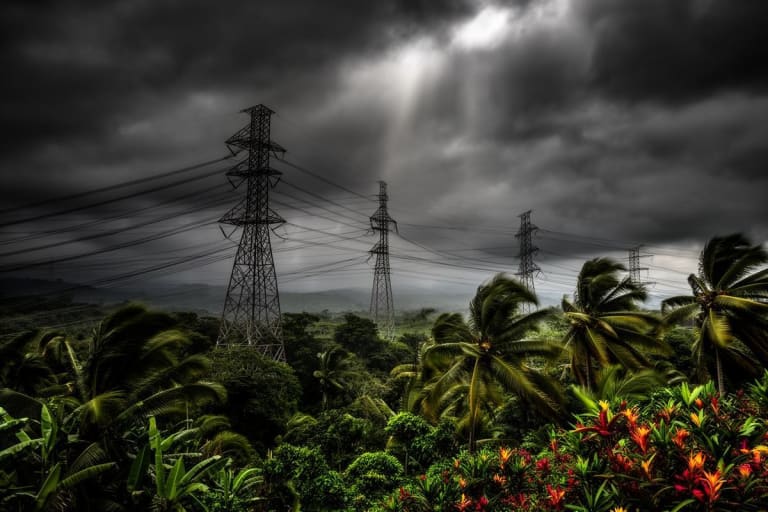
Taesa, aware of this reality, has adopted a multifaceted approach to mitigate risks associated with phenomena like El Niño. The company’s strategy combines investments in preventive and corrective maintenance with a robust meteorological monitoring system.
In parallel, the company develops contingency plans and rapid response frameworks to minimize service restoration time in the event of outages caused by extreme weather.
The Taesa CEO explained:
It is practically impossible to reinforce every power line in Brazil for any extreme event that might occur. What we must do is be prepared, have the equipment, have the teams, and work alongside other transmission companies so that, if an incident occurs, we can respond quickly.
This collaboration between energy transmission companies is seen as a pillar for ensuring national resilience.
Mitigation and Preparedness Strategies
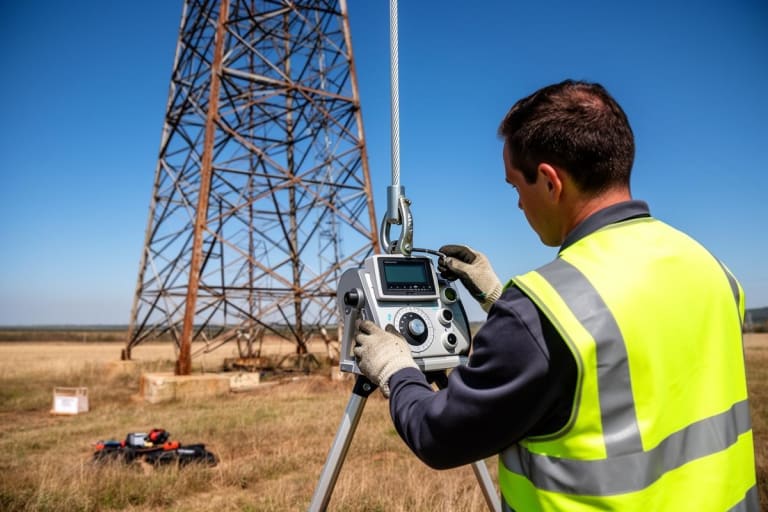
Over the last two years, Taesa has invested approximately R$ 15 million in maintenance and grid resilience enhancements. These funds were directed not only toward reinforcing towers and lines but also toward training teams and acquiring emergency equipment.
The goal is to ensure an agile and effective response to incidents such as gales, severe storms, and wildfires that could affect operations.
With an extensive network of 16,600 km of transmission lines distributed across 19 states, Taesa plays a crucial role in the country’s energy supply. The scope of its operations, which includes states in the South and Northeast, highlights the scale and importance of its infrastructure for the stability of the Brazilian power system.
The Future of Energy Resilience
The discussion initiated by Rinaldo Pecchio points toward a path that requires balancing operational security with economic sustainability. Preparing for extreme weather events is a long-term investment, essential for the reliability of clean and sustainable energy supply.
The way Brazil defines and executes these investment strategies will shape the resilience of its power grid over the coming decades, ensuring that the country can continue to thrive despite increasingly complex environmental challenges.