Northeast reservoirs at 75.4% signal water resilience amid a general decline in storage levels across the country.
The Northeast region is demonstrating a remarkable water retention capacity, with its reservoirs operating at 75.4% of their capacity. This index, released by the National Electric System Operator (ONS), contrasts with the general trend observed in other regions of Brazil, where water storage levels have registered declines. The health of the reservoirs in the Northeast is crucial for water and energy security, especially considering the region’s history of droughts.
Despite the drop in water levels across the national territory, the situation in the Northeast provides a buffer for energy supply and water distribution, highlighting the importance of the water management strategies implemented in the region. ONS figures point to a scenario requiring general attention, but the resilience of the Northeast is a point to be closely monitored by the clean energy and sustainability community.
Decline Affects All Regions of Brazil
Data consolidated by the ONS reveals a retreat in storage levels across all major regions of Brazil. The North showed a decrease of 0.5 percentage points in its reservoirs, while the Southeast and Central-West regions recorded a drop of 0.2 percentage points. The South, in turn, saw the largest contraction, with a decrease of 0.7 percentage points in its water storage capacity.
This widespread situation raises concerns about water availability for the electric sector, which relies significantly on hydroelectric plants, especially during periods of lower rainfall. The analysis of these indicators is fundamental for energy planning and guaranteeing the supply of renewable energy.
The Role of Reservoirs in Energy Generation
Reservoirs are essential components for the operation of the Brazilian electric system, acting as “batteries” that store the potential energy of water. When levels are low, the generation capacity of hydroelectric plants is compromised, requiring the activation of more expensive and, at times, less clean energy sources, such as thermoelectric plants.
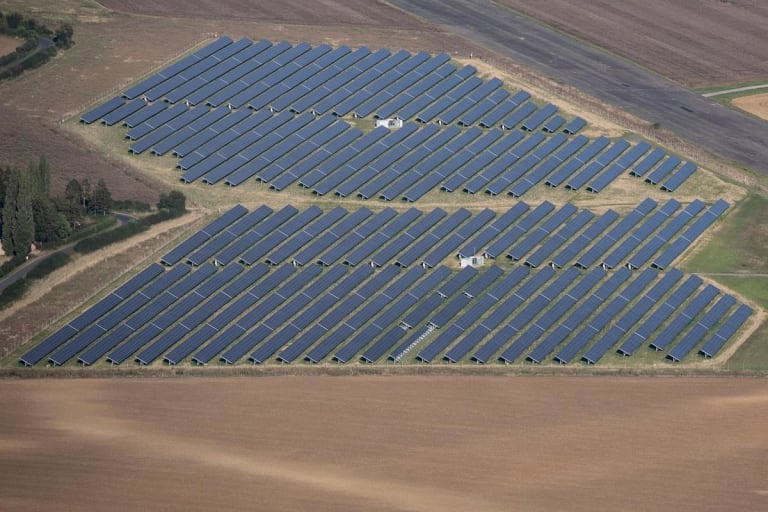
The decline in these indices, even if at varying levels, reinforces the need for diversification of the energy matrix and continued investment in solar energy and wind technologies, which do not depend directly on rainfall patterns. Efficient management of water resources and integration with other energy sources are pillars for the country’s energy security.
The performance of the Northeastern reservoirs, exceeding the national average in terms of capacity, can be attributed to factors such as more favorable rainfall patterns in certain areas and effective water management policies. However, the general downward trend across the country demands attention and long-term strategies. Continuous monitoring of water levels and the projection of future scenarios are crucial to ensure the stability of the clean energy supply and the sustainable use of water resources throughout the national territory.