
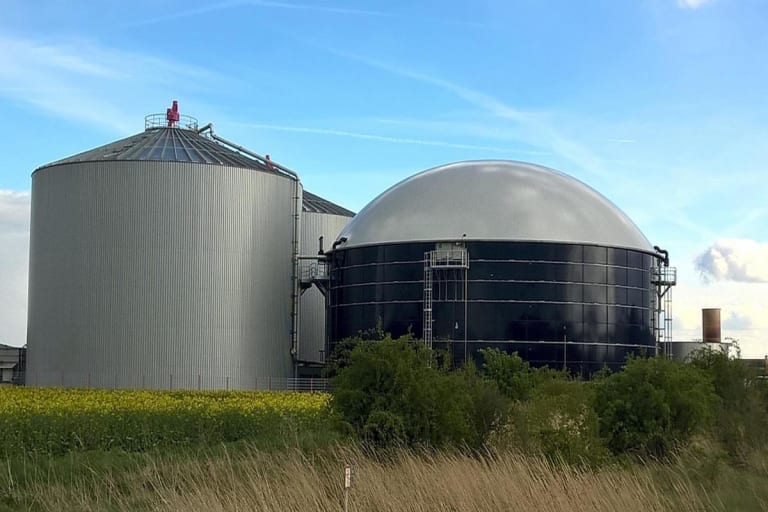
The absence of specific regulation prevents biogas and biomethane from reaching their full potential in capacity auctions, limiting energy matrix diversification and the valorization of essential attributes for sustainability.
Brazil’s electric power sector, in its continuous quest for a more robust and sustainable energy matrix, faces a crucial challenge in including renewable sources such as biogas and biomethane. Despite recognizing the potential of these energies, the current regulatory structure of capacity auctions appears ill-equipped to adequately value their manifold benefits.
The lack of rules that account for the various attributes biogas and biomethane can offer to the grid, beyond mere electricity generation, significantly restricts their competitiveness. This regulatory gap raises questions about the country’s ability to maximize the participation of clean energy and low-carbon sources in its long-term planning, delaying the transition to a greener future.
The Undervaluation of Renewable Attributes
The main barrier to more significant participation of biogas and biomethane in events like the capacity auction lies in how the attributes of these renewable sources are — or, more precisely, are not — priced. Unlike large hydroelectric or natural gas thermal power plants, which are primarily evaluated by generation capacity and dispatchability, biogas and biomethane carry additional benefits.
These benefits include organic waste management, distributed generation, operational flexibility, and the reduction of greenhouse gas emissions, aligning directly with sustainability and decarbonization goals. However, without a mechanism that recognizes and compensates for these intrinsic factors, biogas and biomethane projects lose ground to other technologies in auctions, making them less attractive to investors.
Experts’ Perspective on Regulation
Experts from the energy sector have reiterated the urgency of a regulatory update.
According to Renata Isfer:
The absence of clear guidelines to value the different characteristics of each energy source creates a competitive imbalance. This condition prevents biogas and biomethane, which are clean energy sources with high versatility, from demonstrating their true value and potential contribution to the security and sustainability of the electric power system.
The discussion highlights that for consistent investments to be attracted and the capacity of these technologies to expand, auction rules must evolve. A regulatory review would allow the market to price not only the energy delivered but also the environmental and operational services that biogas and biomethane offer, promoting fairer and more efficient competition.
Impact and Next Steps for Sustainable Energy
The limited participation of biogas and biomethane in capacity auctions has a direct impact on the diversification of Brazil’s energy matrix. By failing to fully harness these renewable sources, the country misses an opportunity to strengthen its energy security with resources that are not only clean but also contribute to the circular economy and reduce dependence on fossil fuels.
Looking ahead, the expectation is that the discussion on valuing the attributes of biogas and biomethane will gain more traction in regulatory forums. A potential revision of auction rules, incorporating a more comprehensive valuation of renewable sources, could significantly boost the expansion of these technologies, solidifying Brazil as a leader in clean energy and sustainability. The evolution of the regulatory framework is an essential step to unlock the full potential of these energies in the electric power sector.