China has reached a historic milestone in its energy transition as solar power has surpassed coal in total installed capacity for the first time.
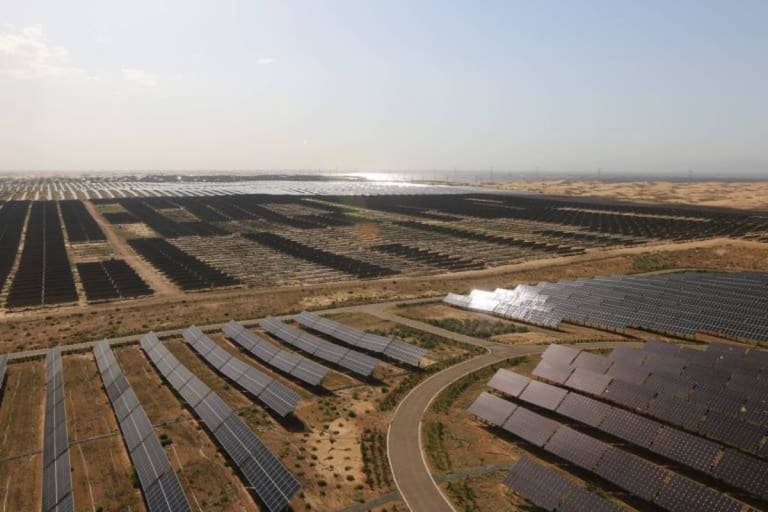
The clean energy sector in China has just recorded a significant breakthrough that signals a profound structural shift in the nation’s electricity matrix. According to official data recently released by state media, the installed capacity of photovoltaic farms reached 1,288 GW by the end of July, overtaking the 1,285 GW generated by coal-fired power plants.
While this figure represents a major symbolic and technical achievement, experts warn that in terms of actual power generation, coal remains the primary driver. The inherent intermittency of renewable sources, which rely directly on solar exposure, means that the actual electricity output still lags behind traditional fossil-fuel plants.
The challenge of actual generation versus installed capacity
Although solar infrastructure leads in nominal volume, the reality of daily energy production is different. In the first half of 2026, the nation’s energy administration reported that coal’s share of total generation fell to 49.7%, marking the first time the fuel source dropped below half of the energy matrix. Conversely, wind and solar sources combined accounted for 24.6% of the national supply.
The disparity between installed capacity and power generation occurs because, without large-scale storage systems, photovoltaic production is limited by daylight hours. This scenario underscores the need for continued investment in battery technologies and smart transmission grids.
Energy transition and the new market landscape
China’s decarbonization trajectory has shown resilience, even as the pace of new installations slowed in 2026. This change in momentum followed adjustments to tariff policies, with the country shifting from former fixed feed-in tariffs to models based on market prices.
Regarding the future of this transition, the market is closely watching the next steps. As the installed capacity of renewable energy continues to expand, the expectation is that the Chinese government will deepen the integration of storage solutions to optimize the use of energy generated in the field:
“Surpassing coal in installed capacity is not just a number, but proof that solar infrastructure has become a central pillar, forcing a reconfiguration of the national electrical system to absorb this new reality,” industry analysts highlight.
This milestone reinforces China‘s commitment to reducing its dependence on fossil fuels, consolidating its role as the world’s largest driver of investment in sustainability and technologies aimed at transitioning to a low-carbon economy.