
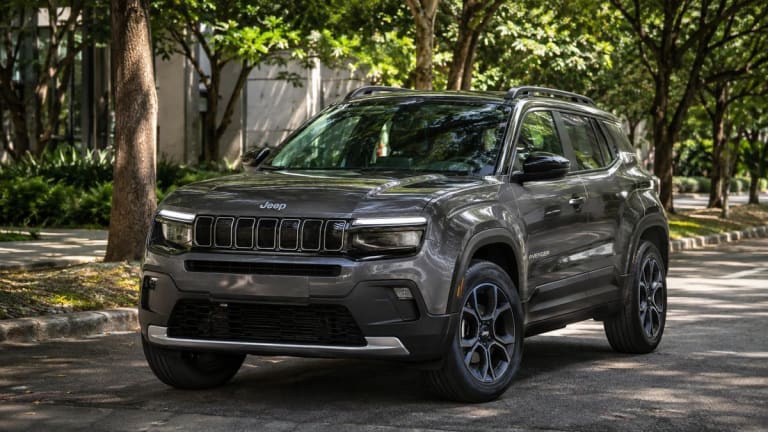
The real-world performance of the Jeep Avenger on city routes sparks debate over the efficiency of light hybrid technology, after an independent test recorded fuel consumption below the standard approved by Inmetro.
The arrival of the Jeep Avenger 2027 in the Brazilian market generated high expectations for the compact SUV segment, especially due to the promise of greater savings brought by light electrification. However, a recent assessment conducted by the GTA Autos channel highlighted the gap between factory‑official figures and the practical driving experience on the streets.
In the test, the Longitude model equipped with a 1.0 turbo engine averaged 10.5 km/l in an urban cycle. The figure stands out because it is 17.3% below the 12.7 km/l claimed by the Brazilian Vehicle Labeling Program.
Although the vehicle was still in its break‑in phase, having driven less than 1,500 km, the result reignited the discussion about how real‑world traffic conditions influence final fuel consumption.
The challenge of the 12‑V light hybrid system
Unlike conventional hybrid systems or the 48‑V standard found in other Stellantis models, the Avenger uses a simpler 12‑V architecture. This setup does not allow for exclusive electric propulsion, serving only to assist the combustion engine and optimize the operation of the start‑stop system.
The 12‑volt technology can help reduce consumption under certain conditions, but its electric assistance capacity is limited, showing that the presence of a light hybrid system does not automatically guarantee higher averages than competitors.
During the GTA Autos test, the vehicle was subjected to a 10 km run with the air conditioner on and an average speed of 26 km/h. This methodology, while not replicating the rigorous Inmetro protocol, mirrors the everyday reality of many Brazilian drivers who face traffic jams and constant stops at traffic lights.
Situations where the efficiency gain of the T200 engine may be less noticeable.
Impact on the Consumer’s Wallet
The gap between theory and practice can translate into a significant extra expense for the owner. In an estimate of 1,000 kilometers driven monthly in the city, the consumption recorded in the test would require about 16.5 liters of gasoline more than the official homologation data.
In a scenario of volatile fuel prices, this margin becomes a decisive factor for those who prioritize operational maintenance costs.
Even amid the debate on efficiency, the Jeep Avenger retains its appeal, such as the brand’s rugged design, the torque delivery of the 1.0 turbo engine, and a competitive driver-assistance technology package.
With prices hovering around R$ 137,990, the model competes with names like Volkswagen Tera and Renault Kardian, targeting an audience that values the brand and the lifestyle the vehicle offers.
Looking ahead, the trend is for new tests and continued use of the engine after the break-in period to provide a clearer view of the SUV’s real-world consumption behavior. For now, the result serves as an important reminder for consumers: energy efficiency in real conditions is multivariate, depending on both the car’s technology and the driving profile and the particularities of urban traffic.