
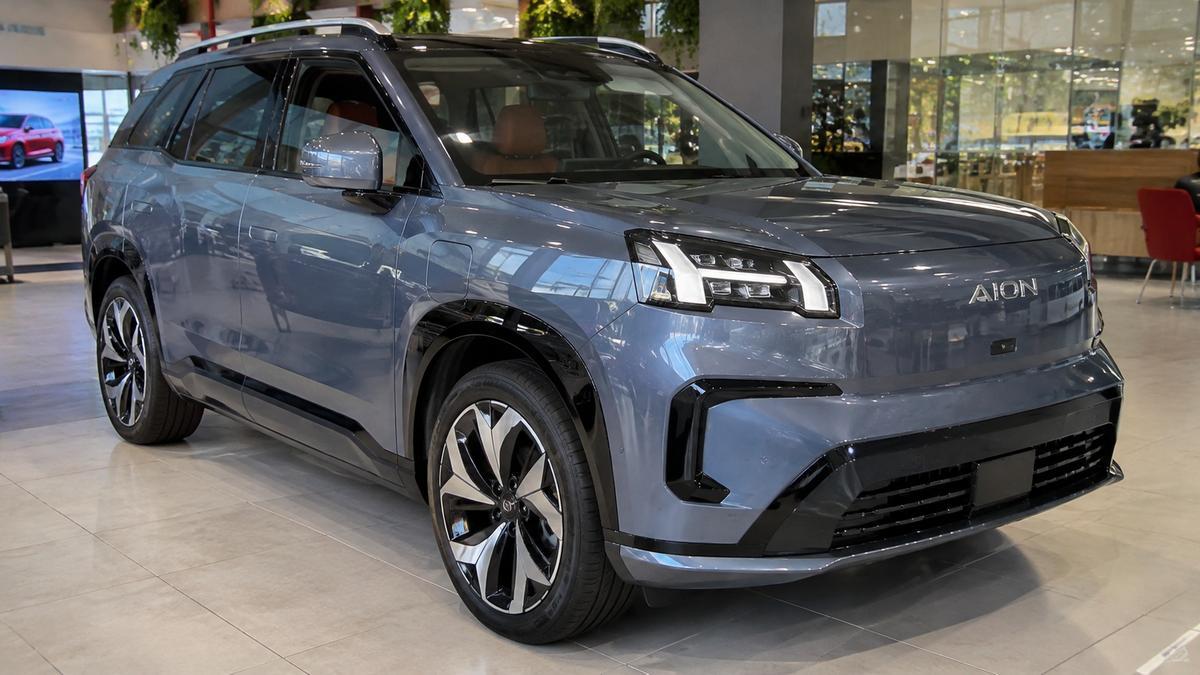
The Chinese electric SUV GAC Aion V 2027 arrives in the Brazilian market with a technology and comfort package that promises to shake up the segment, featuring a versatile thermal compartment and massage seats.
The Brazilian automotive scene welcomes a new and intriguing competitor in the electric SUV segment: the GAC Aion V 2027. Positioned in the Elite version, with a suggested price of R$ 219,990, this Chinese model bets on a blend of energy efficiency, performance, and a level of pampering for occupants that sets it apart from many rivals. The vehicle comes with the promise of appealing to an audience that seeks not only the sustainability of electric mobility but also a sophisticated travel experience full of conveniences.
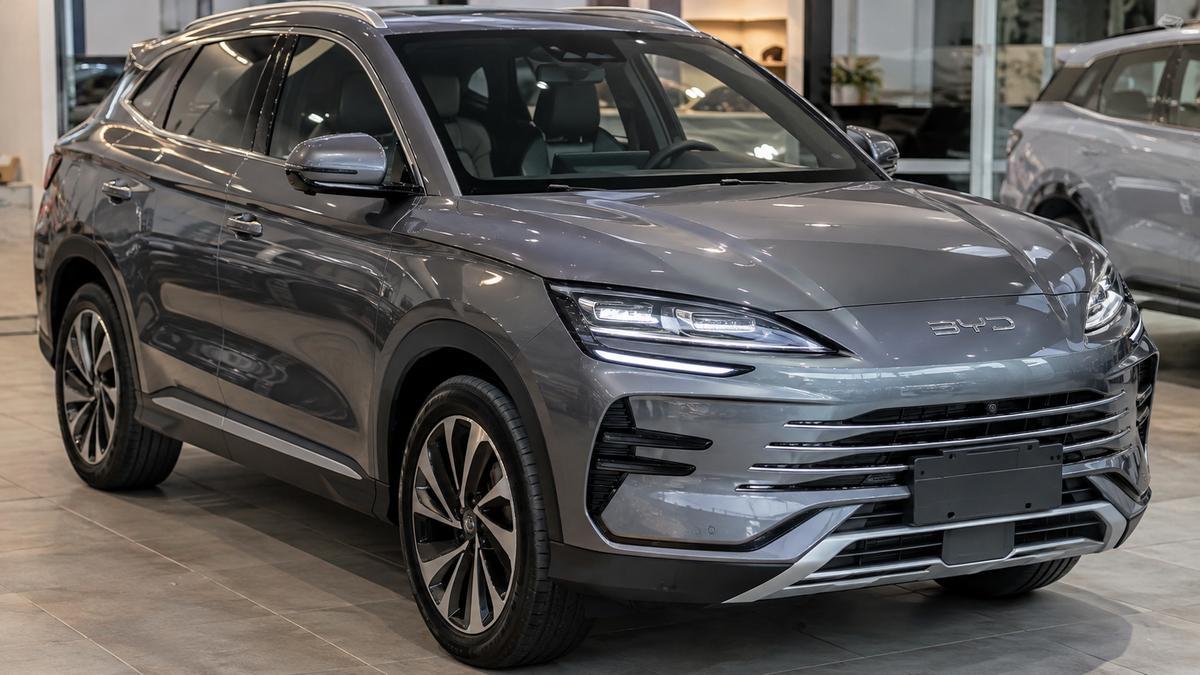
The major differentiator of the GAC Aion V 2027 lies in its ability to go beyond the basics in terms of onboard technology and comfort. While the 389‑kilometer range, certified by Inmetro, and the 204‑horsepower output place it at a competitive level against other Chinese electric SUVs that are gaining ground in the country, such as those from BYD, Geely, and GWM, it is the interior that truly captures attention.
An Unprecedented Comfort Package for the Category
The cabin of the Aion V Elite is designed to deliver a premium experience. The front seats stand out by offering electric adjustments, memory of position, ventilation, heating, and, most surprisingly, a massage function. These features, rarely found in vehicles at this price point, raise the comfort level, especially on longer trips.
The panoramic roof contributes to a sense of spaciousness, while configurable ambient lighting and a minimalist‑designed instrument panel complement the environment. The 14.6‑inch multimedia center and digital instrument cluster add a modern touch, and the wireless phone charger adds everyday practicality.
Innovations That Make the Difference
But the true crown jewel of the GAC Aion V 2027‘s technology is its multifunctional thermal compartment, integrated into the center console. This space does more than just cool drinks; it can freeze food and beverages down to –15 °C and also heat contents up to 50 °C.
This versatility turns the compartment into a valuable ally for families or long‑haul travelers, allowing them to keep drinks chilled on hot days or warm small snacks. This feature, unprecedented in many competitors, adds a “wow” factor to the user experience.
Performance and Efficiency in the Right Measure
Beneath the hood, or rather on the front axle, sits the electric motor that delivers 204 hp and 24.5 kgf·m of torque. Despite weighing about 1.9 tonnes, the Chinese SUV demonstrates agility, reaching 100 km/h in 7.9 seconds. The 75.3 kWh battery guarantees an official range of 389 km, a solid figure for urban use and short‑to‑mid‑range trips.
Fast charging is another strong point. The system supports up to 180 kW DC, allowing the battery to go from 30% to 80% in about 16 minutes. This time, while dependent on available charging infrastructure, is an excellent indicator for those planning long distances.
Safety and Practicality in Harmony
The GAC Aion V 2027 does not skimp on safety. Equipped with seven airbags, the model offers a robust driver‑assistance package. Adaptive cruise control, automatic emergency braking, blind‑spot monitoring, lane‑keeping assist, and a 360‑degree camera are examples of technologies aimed at enhancing safety and driving comfort.
Practicality is also considered for passengers. The flat floor and generous 2.77‑meter wheelbase provide ample interior space, especially for rear‑seat travelers, who benefit from reclining seats and a retractable table. The 427‑liter trunk, with electric opening and a spare tire, are important differentiators in a market where these items are not always standard.
The arrival of the GAC Aion V 2027 intensifies the competition in Brazil’s growing electric vehicle market. With a package that blends performance, range, and a level of comfort and technology rarely seen at this price point, the Chinese model positions itself as an option for those seeking an electric SUV that goes beyond the obvious, offering a distinctive ownership experience. However, its long‑term success will also depend on expanding the dealer network, insurance costs, and consumer perceptions of future depreciation—critical factors for sustained viability.