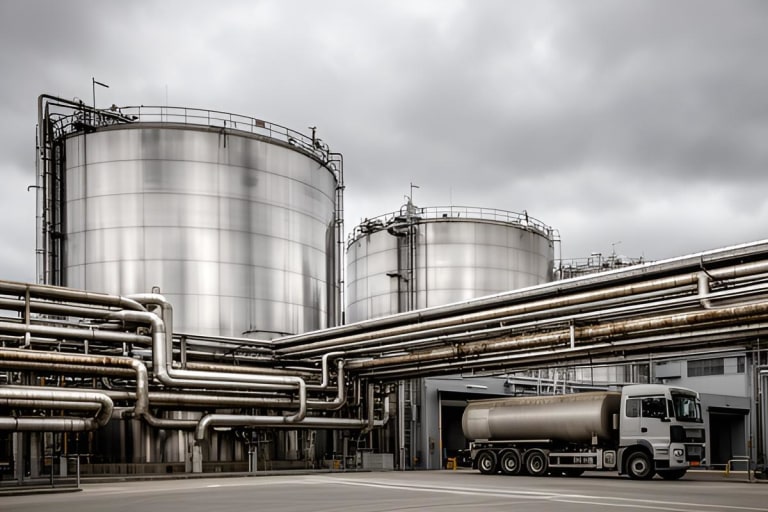
The costs of clean energy and fuels are once again driving global inflation in 2026, impacting the cost of living in Brazil, the United States, and major European nations.
The fluctuation in electricity and fuel costs has resumed its role as a villain in global economies throughout 2026. September consolidated a new inflationary wave in strategic markets, revealing how dependence on traditional sources still leaves household budgets vulnerable. Although the phenomenon is widespread, the origin of the impact varies by region.
While the North American market felt the weight of oil derivatives, Latin American and European nations faced severe adjustments in electricity and gas tariffs. This scenario raises an alert about the urgency of more efficient transitions to renewable matrices, capable of shielding consumers from the geopolitical and climate volatility of fossil fuels and hydroelectric resources.
The Weight of Electricity Bills on Brazilians’ Pockets
In Brazil, the main pressure vector on the cost of living came from the residential sector. The IPCA (Broad Consumer Price Index) advanced, driven by a nearly 8% surge in electricity tariffs, directly impacting the official index and pushing the annual accumulated rate above the established target.
The significant increase in electricity bills prevented previous months from registering deflation, highlighting the fragility of the national electricity sector in the face of water scarcity periods. Experts point out that the expansion of decentralized sources, such as solar energy, emerges as a vital alternative to mitigate these recurring tariff shocks.
The volatility in electricity and fuel costs demonstrates that energy security and economic stability are deeply connected.
Different Inflation Drivers in the United States and Europe
In the United States, price behavior followed a distinct dynamic. The advance in the price index was led by a significant increase in gasoline prices, which rose considerably and accounted for more than half of the period’s overall increase, raising the twelve-month accumulated inflation level.
In the Eurozone, energy took the position of the main driver of annual inflation. Nations such as Italy, Spain, Germany, France, and Portugal registered significant jumps in the costs of gas, electricity, and oil derivatives, reflecting both external instability and local supply challenges.
The simultaneous impact of energy on global inflation reinforces the need for accelerated investments in the energy transition. Governments and corporations worldwide are now seeking alternatives to decouple economic growth from the oscillation of energy commodity prices, aiming for a future with less fossil fuel dependence.