
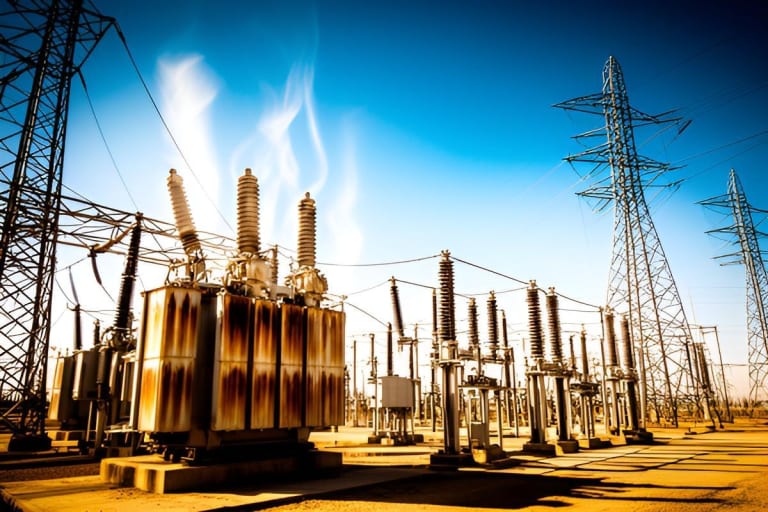
The cost of a megawatt-hour in Brazil’s short-term market surged this Thursday, driven by high demand and the sunset drop-off in solar power generation.
The Brazilian electricity sector is facing sharp volatility this Thursday, October 15. Data from the CCEE (Electric Energy Commercialization Chamber) indicates that the PLD (Settlement Price for Differences) jumped from R$ 57.31/MWh at 2:00 PM to R$ 1,437.37/MWh by 7:00 PM. This phenomenon represents a 2,408% increase in just a few hours.
This price escalation reflects the pressure on the SIN (National Interconnected System), which projects a demand of 101,600 MW during peak hours. The combination of high temperatures and the sunset exit of solar power from the grid creates a critical challenge for the country’s energy stability as evening approaches.
The role of thermal power plants in grid balancing
To meet the load requirements during the evening, the ONS (National Electric System Operator) had to activate a robust contingent of thermal power plants. It is estimated that 16,500 MW will be generated by these sources by 7:00 PM, with a greater focus on the Southeast/Central-West region, where demand is most concentrated.
The transition between afternoon and evening, known in the sector as the load ramp, requires a rapid response from conventional plants to compensate for the immediate absence of solar radiation.
The greatest operational challenge occurs during the transition between afternoon and evening, when the decrease in solar generation coincides with the need to meet energy consumption.
Real-world impact and the energy market
It is important to note that this drastic variation in the value of the megawatt-hour directly impacts the short-term market, where contractual differences between sector agents are settled. Experts point out that residential consumers, who pay tariffs regulated by Aneel, do not experience direct changes in their electricity bills due to this temporary fluctuation.
The scenario highlights the complexity of Brazilian energy planning and reinforces the debate on the modernization of pricing models. The need for more rigorous system stress tests, advocated by market agents, is gaining traction as the country seeks more efficient solutions to handle seasonal variations in temperature and consumption.
RELATED NEWS
 Ministry of Mines and Energy sets new physical assurance and inflexibility for the Azulão II thermal power plant
READ MORE
Ministry of Mines and Energy sets new physical assurance and inflexibility for the Azulão II thermal power plant
READ MORE
 Global energy crisis threatens climate finance plans at IMF meetings
READ MORE
Global energy crisis threatens climate finance plans at IMF meetings
READ MORE
 Celina Leão promises tax refinancing and tax freeze to strengthen market vendors in the Federal District
READ MORE
Celina Leão promises tax refinancing and tax freeze to strengthen market vendors in the Federal District
READ MORE