Cement sales declined by 5.7% in September 2026, yet the clean energy and construction sectors maintain a positive year-to-date performance, bolstered by housing programs.
The Brazilian construction industry faced a month of contraction in sales, reflecting current economic challenges and adverse weather conditions. According to the official survey released by SNIC, the volume sold in the ninth month of the year totaled 5.7 million tons, marking a 5.7% decrease compared to the same period last year.
Despite the monthly drop and a challenging third quarter, the annual balance remains in the black for the cement market. The year-to-date growth since January has reached 0.9%, totaling 50.8 million tons sold, which demonstrates a certain resilience in the supply chain linked to infrastructure and urban energy transition.
Weather factors and the impact on construction pace
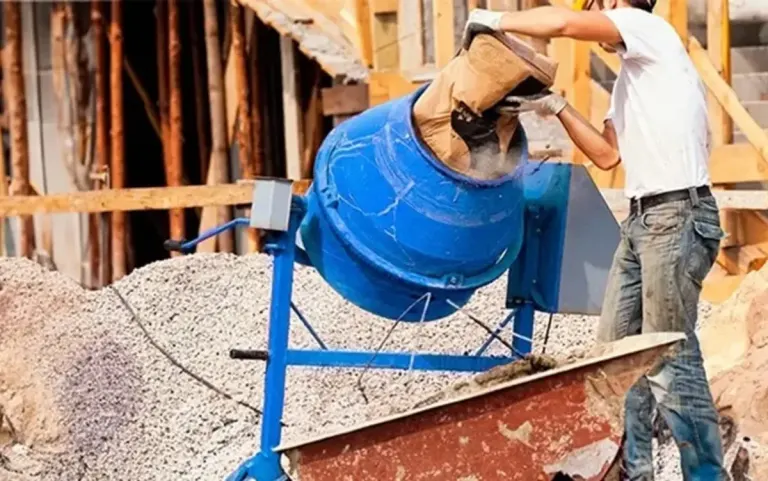
The recent decline in industry figures was attributed to specific cyclical factors, such as an unfavorable calendar of business days and severe weather. Persistent rains in several regions of the country ended up slowing down the schedules of construction sites and engineering projects.
Demand was sustained amidst this adverse scenario primarily by a heated labor market, with low unemployment rates, and the strong push from the Minha Casa, Minha Vida program. Affordable housing remains the main buffer for the construction materials sector.
Despite the recent slowdown, the infrastructure and housing sector demonstrates adaptability, maintaining positive year-to-date growth thanks to the strength of housing programs and road works.
Macroeconomic challenges and future projections
On the other hand, the credit scenario remains restrictive for new real estate investments. With the Selic rate maintained at high levels, expensive financing and high household debt levels impose caution for both developers and end buyers.
Even in the face of cooling business confidence, the outlook for the end of the year remains optimistic. The industry’s bet lies in the continuation of public and private investment in infrastructure, the growth in the use of concrete paving, and the stability of demand for affordable housing.