Brazil projects a multi-billion-dollar investment cycle in the energy sector through 2036, balancing the expansion of fossil fuels with the strengthening of renewable sources to ensure national security.
The energy sector in Brazil is preparing for an unprecedented structural leap over the next decade. Technical analysis indicates that the country is expected to attract approximately R$ 3.3 trillion in financial investments between 2027 and 2036, focused on the modernization and expansion of the entire national energy infrastructure grid.
The projections, detailed in the PDE 2036 (Ten-Year Energy Expansion Plan), reflect a strategy by the Ministry of Mines and Energy (MME) in partnership with the EPE (Energy Research Office). The core objective is to reconcile the increase in oil and gas production with the growing demand for electricity and sustainable sources.
Self-sufficiency and structural challenges
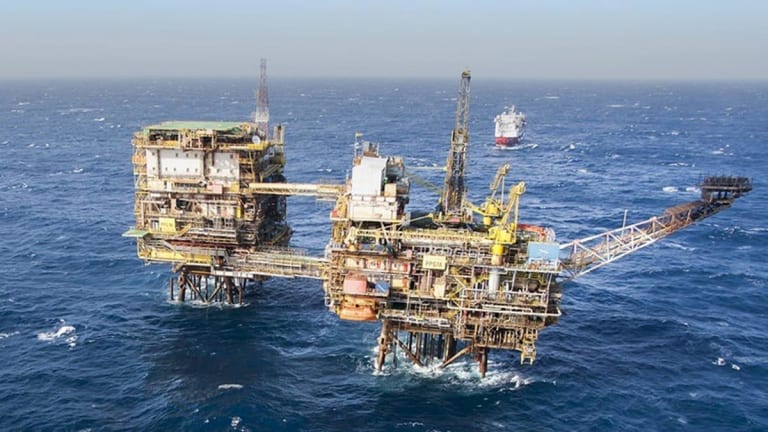
The government’s outlined strategy projects that Brazilian oil production will reach 4.9 million barrels per day by the end of the period. Simultaneously, natural gas is expected to see a significant 85% increase, reaching 135 million cubic meters per day by 2036.
Despite this robust growth, the country will still face bottlenecks. Dependence on imported oil derivatives will remain a point of concern, particularly in the diesel sector, where it is estimated that one-quarter of consumption will still be met by the international market in 2036.
Strengthening our energy matrix by integrating fossil fuels and renewables is a strategic measure to mitigate geopolitical risks and ensure stability in the face of potential international instability, such as conflicts in the Middle East.
Biofuels as a pillar of security
The energy transition is gaining momentum with the projected accelerated growth of biofuels. The goal is to increase ethanol production from 41.3 billion to 52.7 billion liters, while biodiesel production is expected to jump to 14.8 billion liters in the same interval.
This move puts Brazil in a privileged position. By prioritizing clean and renewable sources, the country not only meets decarbonization targets but also protects its economy against the volatility of international oil prices, becoming less vulnerable to external crises that directly impact the cost of logistics and transportation.
The outlook for the coming years indicates, therefore, that Brazil‘s energy sovereignty will depend on the ability to execute these multi-billion-dollar investments. The harmonious integration of hydrocarbon exploration and the scalability of biofuels will be the deciding factor in sustaining economic growth through 2036.