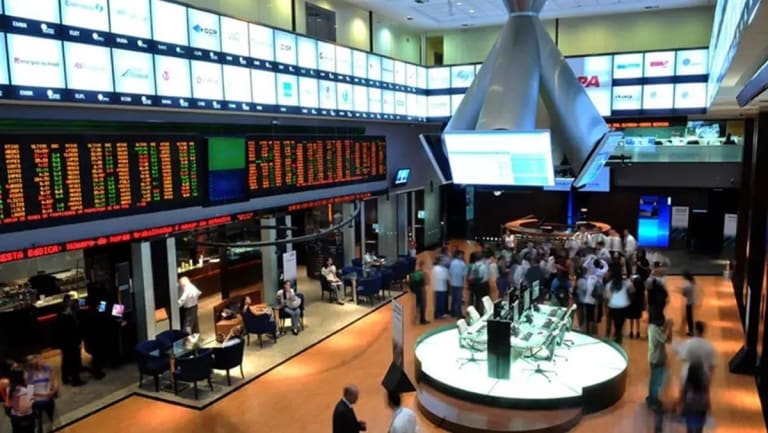
After a significant rally driven by the electoral scenario, Brazil’s Stock Exchange experiences its second consecutive day of decline, pressured by international markets and profit-taking.
The domestic financial market has experienced a rollercoaster ride following the first round of the elections last Sunday (04). While the beginning of the week was marked by historic optimism, pushing the main stock index past the unprecedented 200,000-point mark, recent activity shows a clear pattern of adjustment.
The initial wave of euphoria has given way to more cautious investor behavior. With a reduction in global risk appetite and profit-taking by major players, key companies in the market, such as the banking sector and the mining company Vale (VALE3), have been negatively impacted in recent trading sessions.
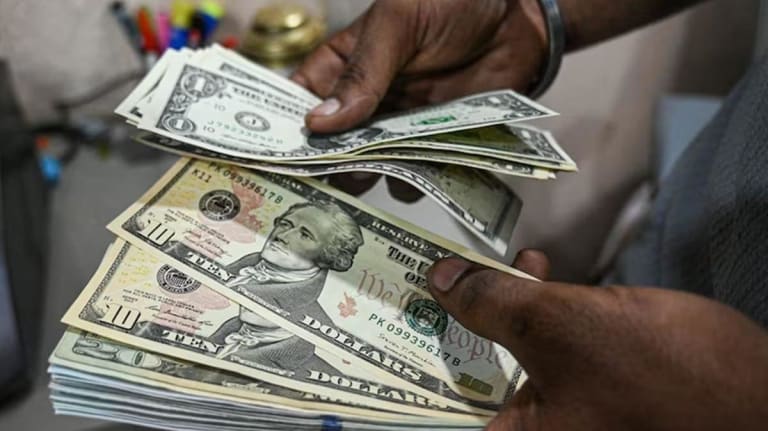
On Wednesday (07), the Ibovespa ended trading down 0.74%, closing at 204,302.33 points. In the foreign exchange market, the spot dollar followed the international trend of appreciation, closing at R$ 5.0112, an increase of 0.72% amid an environment of increased risk aversion.
External Pressure and US Interest Rates
The primary driver of the retraction came from abroad, fueled by the performance of U.S. Treasury bonds. The surge in yields on medium and long-term U.S. debt, particularly the 30-year bond reaching a 24-year high, raised a yellow flag in global markets.
Caution was reinforced by the release of the minutes from the last Federal Reserve (Fed) meeting. The document revealed that a majority of the U.S. central bank’s board members consider the possibility of another interest rate hike later this year to be appropriate, thereby increasing the cost of credit globally.
The international scenario demands heightened caution from local investors, especially given the firm stance of foreign central banks in combating global inflation.
Small Cap Rally and Post-Election Balance
Despite recent declines, the accumulated gains since the election still reflect significant recent optimism. A survey by Elos Ayta indicates that in the two trading sessions following the vote, 18 listed companies registered gains exceeding 20%, across various B3 indices.
The positive highlight was concentrated in smaller-capitalization companies. Of the 18 stocks with significant jumps, 17 belong to the Small Caps index. Lojas Quero-Quero led the gains, soaring 46.75%, followed by Movida (33.09%) and Ecorodovias (31.34%).
The current performance of the Stock Exchange highlights a transitional phase between domestic political enthusiasm and the harsh international macroeconomic reality. In the coming days, analysts’ attention will once again focus on economic indicators from the United States and developments in Brazilian fiscal policy to determine the direction of investments in clean energy, infrastructure, and other productive sectors.