The clean energy sector in Brazil is advancing with the arrival of the first large-scale system auctions, driving the expansion of contracted infrastructure.
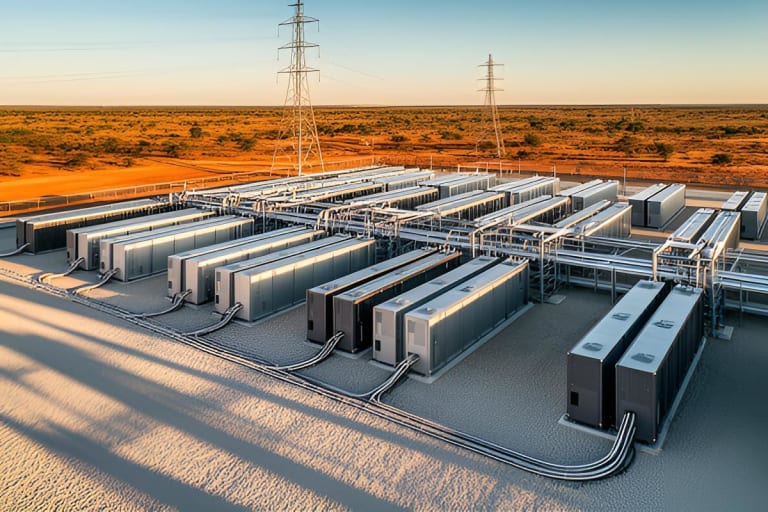
The national electricity storage market is at a decisive moment. With the confirmation of the first reserve auctions focused on accumulation units, the renewable energy chain gains unprecedented momentum to ensure greater operational stability.
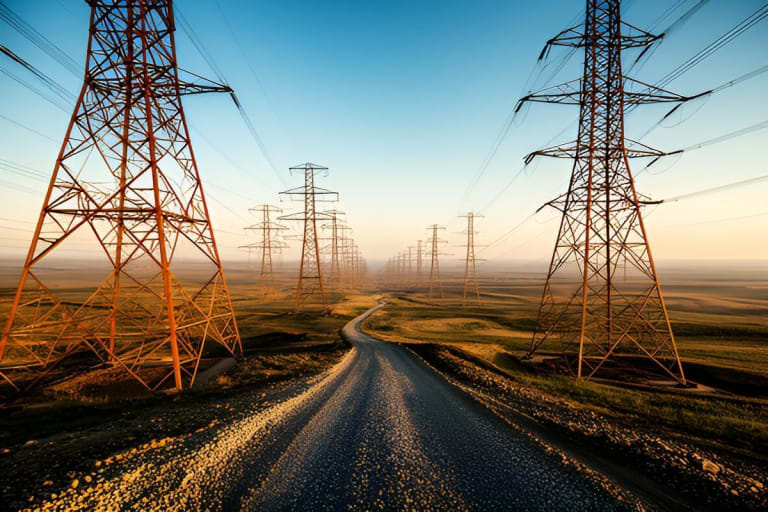
Scheduled for late 2026, the tenders aim to select capacity capable of immediate action whenever the National Interconnected System faces peak demand or severe fluctuations. The strategy involves storing electricity during periods of high production and feeding it back into transmission grids when demand requires.
Official Calendar and Contracting Rules
ANEEL has set the auction dates for December 2 and 4, 2026. While one tender will prioritize national manufacturing guidelines, the other will offer more open conditions for international participation, increasing competition among industry players.
Winners will sign 15-year contracts, with actual electricity supply scheduled to begin in August 2028. In parallel, BNDES has already outlined the financial schedule, setting the end of October for the validation and release of the official documents that will govern the proposals.
Long-term contracting transforms storage into an indispensable structural pillar for the flexibility of our energy matrix.
The Strategic Value of Storage
With the significant advancement of intermittent sources, such as solar and wind power generation, managing supply timing has become a central challenge. Solar energy, for instance, peaks during the day, but residential and industrial demand remains high after sunset.
The integration of storage units solves this gap by shifting surplus generation to times of scarcity. More than just selling equipment, the new market demands advanced engineering, high-efficiency converters, and intelligent control software.
The impact of these auctions redefines the energy transition landscape in the country. By creating predictable revenue for investors, the model mitigates operational risks and paves the way for a much more resilient and future-ready power grid.