The Brazilian Energy Research Office (EPE) will launch a strategic call in November to map pumped-hydro storage plant projects, aiming at the future of energy storage in the country.
The EPE, a vital body for Brazilian energy planning, announces a crucial step toward modernizing and increasing the flexibility of the electricity sector. Starting in November, a public call will be opened, focused on identifying and mapping pumped-hydro storage plant projects.
This initiative underscores Brazil’s commitment to expanding its energy infrastructure and efficiently integrating renewable sources, which are essential for a sustainable energy mix.
The most relevant aspect of this action is its clear objective: to support the design of a future energy storage auction. By understanding the potential and feasibility of existing or developing pumped-hydro storage plant projects, the EPE paves the way for the creation of market mechanisms.
These mechanisms will drive high-capacity solutions for Brazil’s energy security, an increasingly relevant topic amidst growing demand and climate unpredictability.
The Future of Energy Storage in Brazil
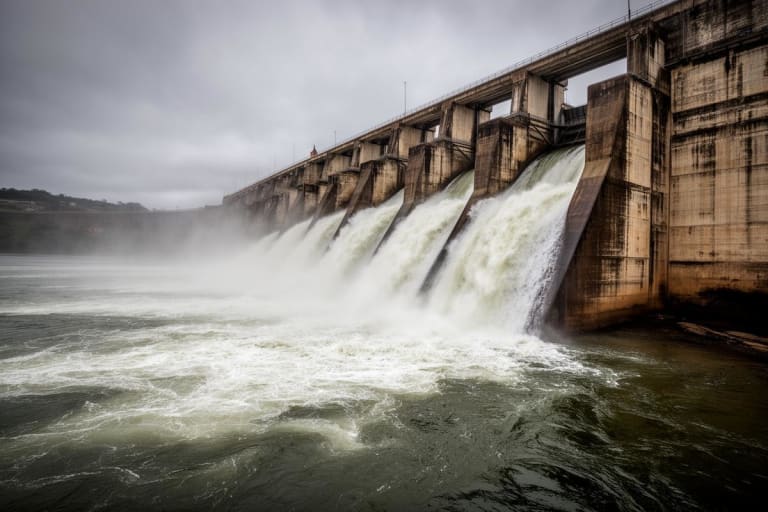
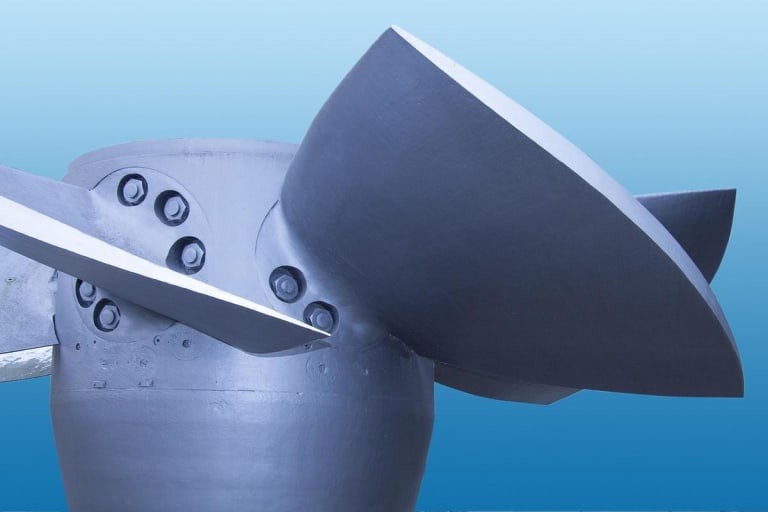
Pumped-hydro storage plants, also known as pumped-storage (pumped-hydro storage), represent one of the most mature and efficient technologies for large-scale energy storage.
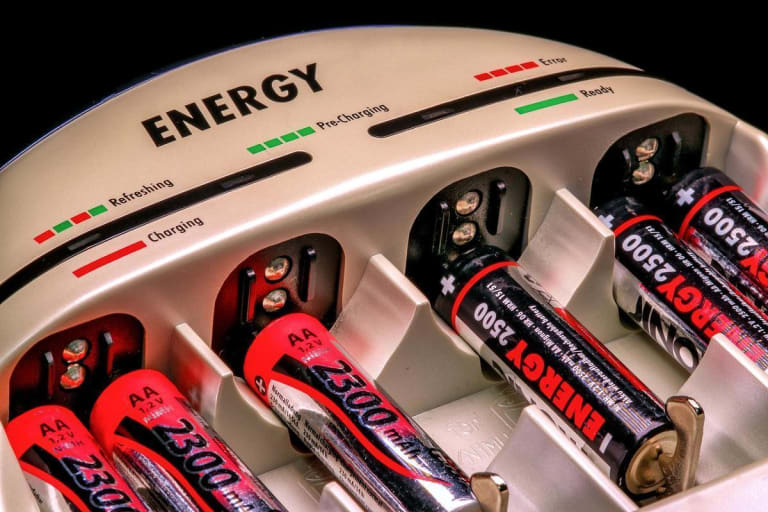
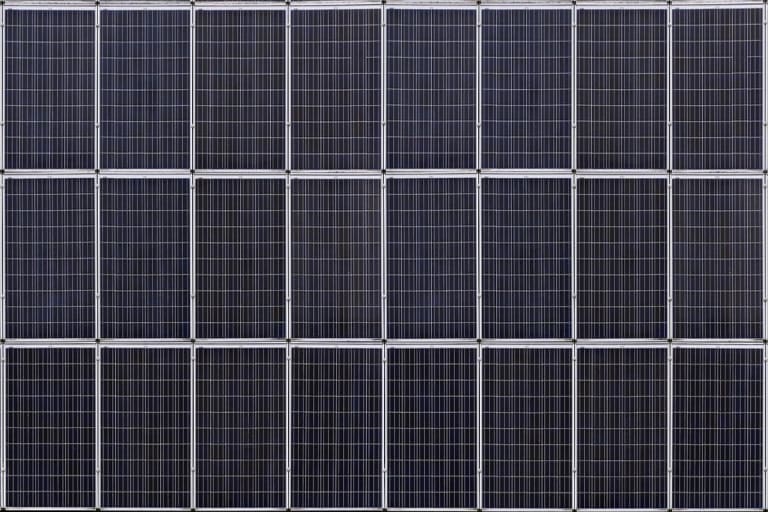
They function like large batteries, pumping water to an upper reservoir during times of generation surplus (such as during peaks of solar or wind energy) and releasing it to generate electricity when demand is high.
This mechanism provides remarkable flexibility to the system, crucial for stabilizing the grid and optimizing the use of intermittent clean energy sources.
The EPE‘s initiative to map these projects indicates a recognition of the importance of these solutions for the energy transition. By collecting data on the location, capacity, costs, and challenges of potential ventures, the company will have the foundation to design an auction.
This auction will be attractive to investors and effective for the needs of the electricity sector. This will allow Brazil not only to increase its storage capacity but also to ensure greater operational security and resilience for its electricity grid.
Impact and Opportunities for the Sector
The eventual realization of an energy storage auction for pumped-hydro storage plants will bring multiple benefits. Firstly, it will strengthen system reliability, minimizing the need to activate more expensive and polluting thermal power plants during peak times or scarcity.
Secondly, it will encourage innovation and investment in energy storage technologies, generating jobs and developing a new production chain in the country.
For the clean energy sector, the measure represents an expansion of opportunities, allowing renewable energy projects to integrate more effectively and profitably into the grid.
The EPE‘s measure, as reported by Vanessa Andrade of CanalEnergia on September 15, 2026, is a clear sign that Brazilian energy planning is aligning with global trends in sustainability and efficiency.
The call for pumped-hydro storage plants is a fundamental step by the EPE to strengthen Brazil’s energy infrastructure. By promoting large-scale energy storage, the country advances in its transition to a cleaner and more flexible energy mix.
The expectation is that this move will result in greater energy security and autonomy, solidifying Brazil as a leader in sustainable energy in Latin America and paving the way for new investments in renewable energy and storage projects.