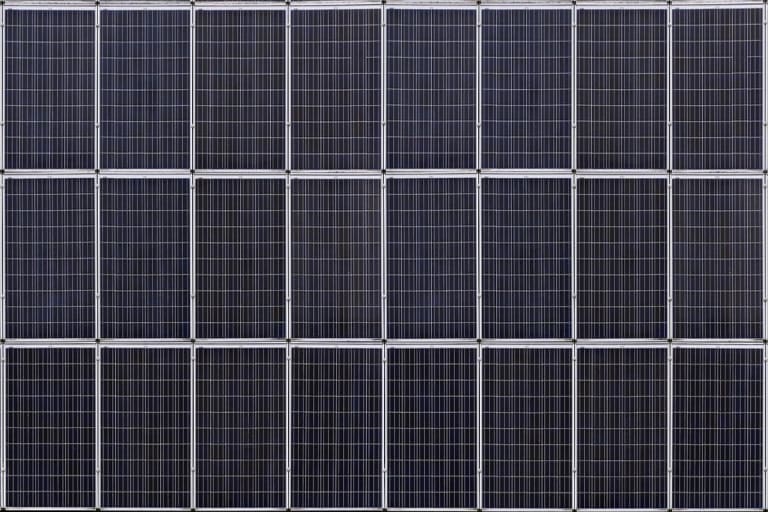
Solar energy consolidated its leadership in Brazil’s electricity mix in 2026, accounting for over 70% of all installed generation capacity growth in the country.
The solar energy sector is currently playing an absolutely leading role in the national energy landscape. According to recent information from ANEEL, photovoltaic sources were the main driver of Brazil’s electricity grid expansion throughout the first eight months of 2026. This advancement reinforces the country’s accelerated transition toward a cleaner and more renewable energy mix, keeping pace with the growing demand for alternative and sustainable sources.
Between January and August of this year, Brazil’s electric power system saw a total increase of 4.85 GW. Of this total, an impressive 3.52 GW came from 75 new solar power plants that entered commercial operation, representing 72.6% of all volume added during the period. This data highlights the technological maturity and sustained investor interest in projects that utilize solar radiation as the primary asset for large-scale energy production.
Diversification and the Role of Renewables
Although solar energy leads significantly, the eight-month balance also included other energy sources. Thermal power plants ranked second in expansion, contributing 1.09 GW from six major projects. The rest of the growth was composed of complementary sources: 184.5 MW from wind energy, 52.7 MW from SHPs (Small Hydropower Plants), and 7.6 MW from GHPs (Generating Hydropower Plants).
Solar energy’s performance in 2026 not only validates the country’s diversification strategy but also positions Brazil as an international leader in the global energy transition, prioritizing renewable sources in its generation base.
A Historic Level of Power Capacity
With the progress recorded in August alone, which added 1,968.37 MW to the system, Brazil’s centralized generation capacity reached significant figures. As of September 8, the country surpassed the 220 GW mark of inspected power, totaling 220,662.7 MW. The most positive data for the sustainability market is that 84.67% of this total capacity comes from renewable sources.
The outlook for the remainder of 2026 indicates a continuation of this growth pace. The leadership of photovoltaic technology demonstrates that Brazil’s energy transition is well-consolidated, paving the way for national infrastructure to support economic growth with increasingly lower generation costs and significantly reduced environmental impact in the coming years.