The Ministry of Mines and Energy (MME) is committed to implementing new contractual models aimed at increasing the responsiveness and resilience of the National Interconnected System (SIN).
The federal government aims to diversify contracting methods within the sector to ensure greater operational agility. This strategy, which is gaining momentum under the LRCAP framework, seeks to overcome current technical challenges and prepare the grid for more efficient integration of renewable energy sources.
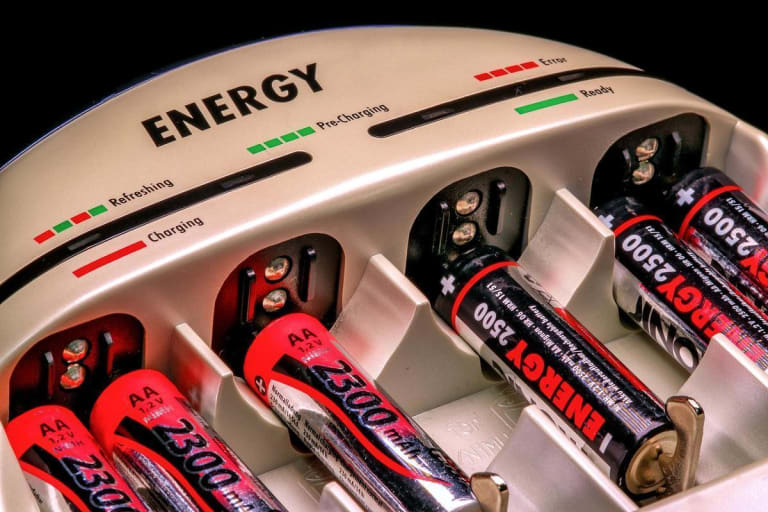
Among the ministry’s priorities is enabling storage technologies, with a special focus on implementing pumped-storage hydroelectric plants. The initiative aims to create incentives that attract private investment for storage projects that provide greater robustness to the Brazilian electric system.
“The main focus is to ensure the grid has assets capable of offering dispatch flexibility, which is essential for energy security given the intermittency of solar and wind power,” experts in the sector note regarding the MME’s new guidelines.
Through this move, the government projects not only an expansion in generation capacity but also the modernization of support assets for the system, seeking a balance that reduces operational risks and promotes a more attractive business environment for new clean energy ventures.