
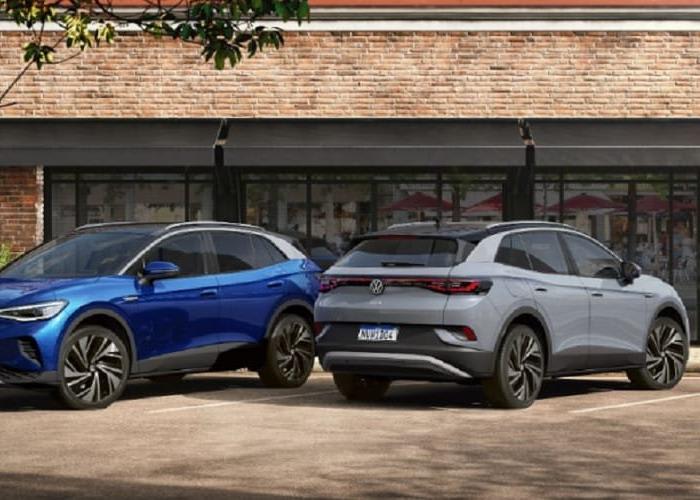
The Northeast region reaffirms its role in sustainable mobility, achieving a significant 21.7% share in the national electrified vehicle market during August 2026.
The energy transition in Brazil’s transportation sector continues at an accelerated pace, with the Northeast consolidating its position as one of the main protagonists in the adoption of clean technologies. According to recent data from ABVE (Brazilian Electric Vehicle Association), the region registered the licensing of 12,453 light electrified vehicles last month, securing second place in the national ranking, surpassed only by the Southeast.
The broader Brazilian scenario reflects a significant leap in preference for new energy-powered models. Compared to the same period in 2025, national sales volume more than doubled, reaching 63,709 units. This performance means that electrified vehicles already account for 24.3% of the entire light vehicle market in the country, a clear sign that greater diversity of offerings and strengthening charging infrastructure are convincing consumers.
Dominance of Chinese Brands and Regional Preference
Northeast drivers’ preference is clearly focused on models produced by Asian giants. Leadership in the local market is shared through competitive strategies that have earned public trust. In states such as Ceará, Maranhão, Paraíba, Pernambuco, Alagoas, and Bahia, the BYD Dolphin Mini stood out as the preferred choice.
Meanwhile, in the states of Piauí, Rio Grande do Norte, and Sergipe, the Geely EX2 topped the registration list. This competition between models reaffirms the sector’s growth and the widespread adoption of electrification throughout the Northeast territory.
Leonardo Dall’Olio, commercial director of Grupo Carmais, points out:
The sector’s progress reflects a clear shift in behavior, driven by consumers who now have more information and better access to new mobility technologies.
Outlook for Sustainable Mobility
The consolidation of the Northeast in this segment is not an isolated event, but the result of a continuous movement of regional market adaptation. The combination of more competitive prices, the entry of new brands, and the expansion of electric charging stations has broken down entry barriers that existed years ago.
For the coming quarters, growth is expected to be sustained by increasing interest in energy efficiency. With the increasing fleet of electric and hybrid vehicles, the next step for the Northeast market will be the expansion of the fast-charging network, essential to further connect the region’s capitals and interior.