
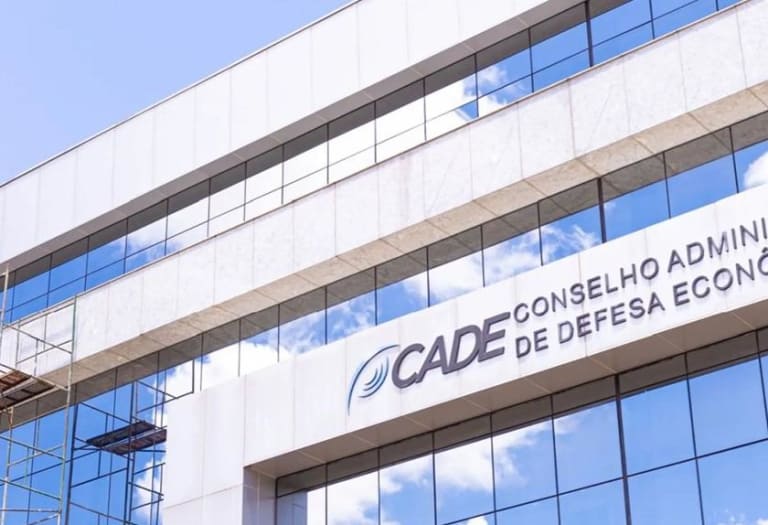
Cade has decided to resume its investigation into 99Food to determine if exclusivity contractual agreements are blocking the expansion of Chinese giant Keeta in the Brazilian delivery market.
The Administrative Council for Economic Defense (Cade) tribunal has formalized the resumption of investigations involving 99Food. The agency’s focus is on contractual clauses that allegedly prevent partner restaurants from joining other platforms, constituting a possible restriction on free competition in the delivery sector.
This measure comes at a strategic moment for Brazil’s digital ecosystem. According to complaints, the target of this restriction is Keeta, a division of China’s Meituan, which began operations in the country in 2025. The presence of this Asian giant, a global leader in order processing volume, generates expectations of a fierce battle for market share.
New Evidence Under Review
The interim president of Cade, Diogo Thomson de Andrade, has ordered the collection of supplementary evidence to deepen the case. The highest authority of the regulatory body has not ruled out the application of immediate preventive measures, aiming to mitigate potential damage to market balance even before the administrative process concludes.
According to Keeta representatives, the demands imposed by established apps function as veritable artificial barriers. This strategy, the company claims, harms the entire production chain, affecting everything from the autonomy of restaurant owners to the income of delivery personnel and the final consumer experience.
Conflict Reaches the Judiciary
Contractual restrictions create artificial barriers that harm competition, negatively impacting restaurants, delivery workers, and consumers.
In addition to the administrative sphere of Cade, the impasse is also being debated in the ordinary courts. The Court of Justice of São Paulo (TJSP) has a hearing scheduled for September 29, when the civil legality of these exclusivity clauses will be assessed.
The dispute takes on global dimensions when considering the power of Meituan, which boasts an impressive daily record of 80 million orders processed across its operations. Currently, Keeta is already present in 11 Brazilian cities, including strategic locations like the state capital São Paulo and the Baixada Santista region, signaling that the battle for leadership in the sector is just beginning.
The outcome of this case is expected to set a precedent for how delivery apps can enter into loyalty contracts with restaurants in Brazil. The sector is watching closely, as the decision could pave the way for greater market openness to new foreign entrants, reshaping the competitive dynamics in the coming years.