Brazilian Retail Prepares Logistic Adjustments for H2 2026, as “Super El Niño” Phenomenon Promises to Significantly Increase Consumption of Cold Beverages and Water.
The approaching period of strong influence from the Super El Niño climate phenomenon is compelling national retail to rethink its inventory and distribution strategies. The forecast for high temperatures between spring and early summer 2026 positions thermometers as key indicators of Brazilian consumer demand.
An unprecedented survey conducted by Scanntech reveals a direct correlation between climate and purchasing behavior. By analyzing data from 85% of the food retail market alongside records from 600 INMET stations, it became clear that any positive variation in heat almost instantly boosts the sales of hydration and refreshment-oriented products.
The Math of Heat in Retail
The study indicates that market sensitivity is remarkable: for every 1 °C increase in average temperature, the sales volume of chilled beverages grows by 4.1%. The impact escalates aggressively as the heat intensifies, reaching a high of 12.8% when thermometers rise 3 °C, especially when approaching the 30 °C mark.
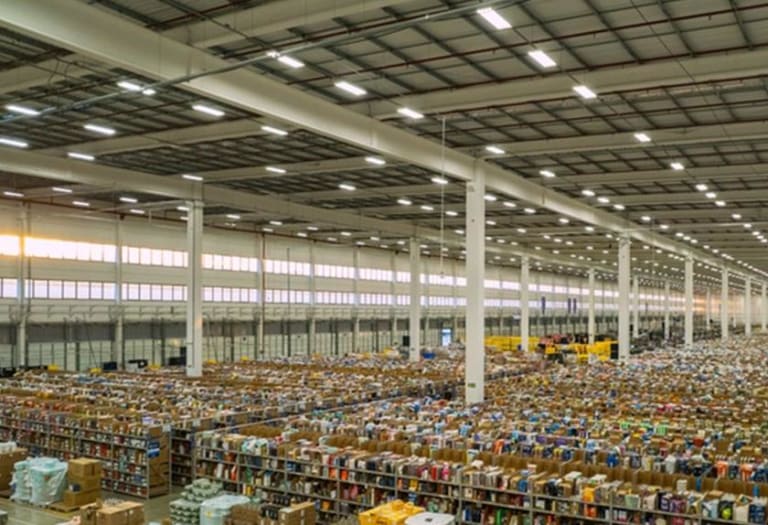
Changes in climatic patterns not only alter purchasing behavior but redefine the logistical efficiency required for fast-moving product inventories to meet a suddenly heated demand.
This scenario requires distributors and points of sale to anticipate the replenishment of essential items. While cooling-oriented products gain shelf space, the winter beverage sector faces an opposing trend.
Changes in Product Mix
Consumer trends show that Brazilians are prioritizing freshness. Water leads the growth ranking with 5.7%, closely followed by isotonic drinks (+5.4%) and beer (+5.0%). Even the market for ice (+4.9%) and energy drinks (+3.8%) is expected to feel the effects of intense heat.
Conversely, the market for beverages traditionally associated with milder climates is expected to contract. The report indicates significant declines for categories such as wines and brandies, showing a 3.2% decrease, followed by tequila, liqueurs, and spirits, including whiskey and cachaça, which also lose favor with consumers during heat peaks.
The expectation for the next semester is that retail will maintain rigorous monitoring of meteorological forecasts. With climate impact dictating the pace of sales, the responsiveness of distribution networks will be the distinguishing factor to ensure product availability and prevent stockouts in a season that promises to be historically hot.