
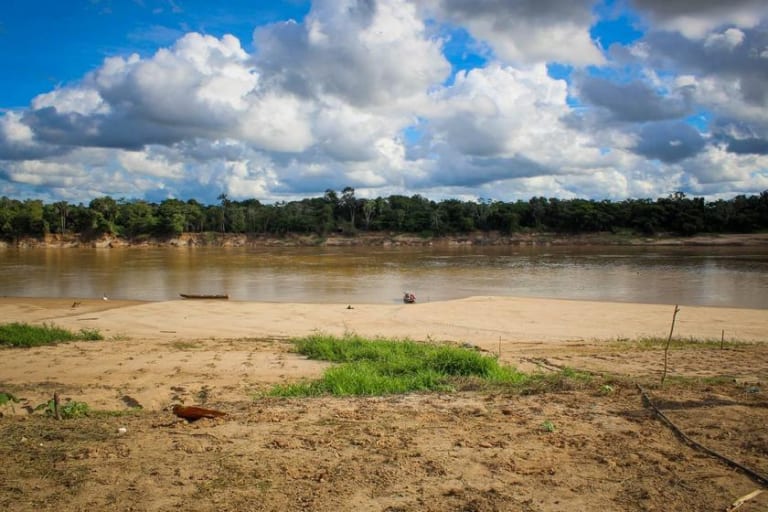
A study by the Instituto Trata Brasil points out that the water security of Manaus is facing critical risks. With industrial demand on the rise, the city is in urgent need of planning to prevent a supply collapse by 2040.
The pursuit of sustainability in the Manaus region has received an urgent warning. The Instituto Trata Brasil, in partnership with GO Associados, has released the study “The challenge of water security in the Manaus region and sustainability policies,” revealing severe obstacles that threaten both the ecological balance and the socioeconomic development of the Amazonian capital.
The scenario is concerning: projections by the National Water and Basic Sanitation Agency (ANA) classify the region’s water availability as “critical class” by 2040. With a population of approximately 2 million inhabitants, the city relies heavily on surface water extraction from the Rio Negro and an extensive network of underground wells, requiring an immediate shift in natural resource management.
Rising demand and the industrial challenge
Projections for the coming decades indicate a 7% increase in total water withdrawals. The most alarming data point is the 43% growth in industrial sector demand, added to a 23% increase in human consumption. This rate of consumption, combined with increasingly intense droughts, puts the stability of local water sources at risk.
To mitigate these risks, the study highlights three fundamental pillars: the diversification of the water matrix, the rigorous preservation of underground sources—essential for maintaining the balance of surface waters—and efficient management to reduce losses and waste in intensive-use sectors.
The risk of groundwater
The lack of control over groundwater extraction is a critical issue. Although the law requires permits for water use, oversight still faces immense challenges. Estimates suggest that while official bodies register about 5,000 wells, the reality on the ground may exceed 27,000 units in operation in the capital.
This oversight gap turns a shared resource into a collective risk. According to the report, unbridled use could compromise the region’s water resilience, reinforcing the need for strict governance that aligns economic development with environmental conservation.
“Water security is built through planning and risk mitigation, and the case of Manaus demonstrates this clearly. The city depends heavily on the Rio Negro, but also relies on wells that often operate without permits and without proper control. Investing today in water reuse, rational and controlled well usage, and monitoring and protecting water sources reduces risks for the population and for companies.”
Paths to sustainability
The future of water security in Manaus depends on adopting reuse technologies, rainwater harvesting, and industrial automation to identify leaks. Furthermore, protecting springs and reforesting riverbanks are vital for aquifer recharge. Private sector engagement, through ESG practices, is an essential engine for this transformation.
By migrating industries to the formal supply network, the city not only strengthens transparency but also enables cross-subsidization that aids in the universalization of basic services. As noted by Luana Pretto, executive president of the Instituto Trata Brasil, an integrated vision is the only path for the country to move forward responsibly and guarantee access to water for future generations.