
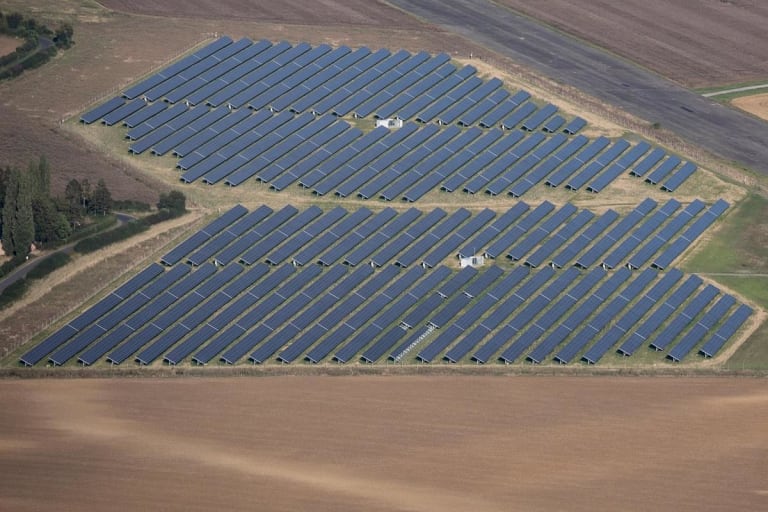
The investment fund SNEL11, managed by Suno Asset, has announced a significant R$ 1 billion fundraising, aiming to substantially expand its presence in the distributed solar generation market.
Brazil’s renewable energy market has just received a major boost. The SNEL11 fund, managed by Suno Asset, has successfully completed a R$ 1 billion fundraising operation. This strategic move allows the fund to double its net assets, consolidating its position as one of the most robust players in the distributed generation (DG) solar segment.
With the new capital, the manager’s primary goal is to accelerate the growth of its asset portfolio. Suno Asset has set an ambitious target: to triple its current installed capacity, jumping from the present 150 MWp to an impressive 400 MWp. This expansion will focus on the strategic acquisition of photovoltaic plants already in operation.
Expansion Strategy and the Photovoltaic Market
The strategy of focusing on operational projects reduces the risks inherent in the construction phase and allows for immediate revenue generation for the fund’s shareholders. The country’s solar energy sector has shown resilience, and the SNEL11 move reinforces investor confidence in the economic viability of clean energy as a long-term asset.
By consolidating this portfolio of plants, the fund seeks not only scale but also operational optimization in its sustainability projects. According to sources close to the management firm, the plan is to ensure that portfolio growth keeps pace with the increasing demand for renewable sources in the country.
The new fundraising marks a decisive moment for the firm’s strategy, positioning the fund to lead significant acquisitions in the Brazilian solar asset market.
Outlooks for the Clean Energy Sector
The success of the R$ 1 billion raise reflects the buoyant capital market geared toward energy transition. Expanding capacity to 400 MWp puts SNEL11 on a differentiated competitive level, allowing the fund to play a key role in providing cleaner and more affordable energy to Brazilian consumers.
Over the coming months, the market is expected to monitor the pace of negotiations for the acquisition of these new units. The advancement of SNEL11 is a clear indicator that, despite regulatory and climate-related challenges, the solar generation sector remains one of the most promising destinations for private capital in Brazil, driving the decarbonization of the national electricity grid.