
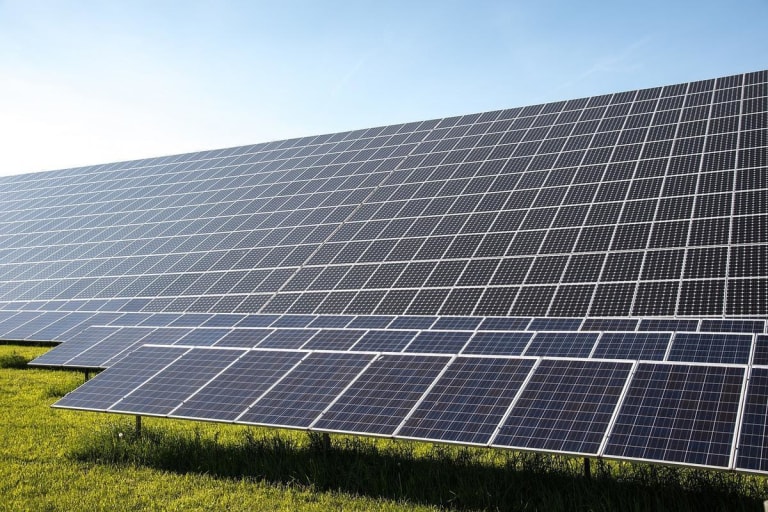
Brazil’s National Electric Energy Agency, Aneel, has proposed measures that will require the adaptation of over 33 GW of existing and future distributed generation plants across Brazil, driving the modernization of the sector.
Aneel, through its technical division, has put a new regulation up for discussion that stipulates advanced monitoring and control requirements for a significant portion of the country’s installed distributed generation capacity. The central objective is to prepare energy distribution utilities for a more dynamic role in network operation, a concept internationally known as DSO, or Distribution System Operator. This initiative marks a crucial step forward for the efficient integration of renewable energy sources and the stability of the electric system.
The measure aims to integrate and control approximately 68,000 mini-generation installations and 1,500 Type III distributed generation plants, totaling over 33 GW in capacity. Director Agnes da Costa, rapporteur for the process, has already scheduled the opening of a public consultation, highlighting the urgency and relevance of the topic for the future of the Brazilian energy mix.
Proposal’s Impact and Scope
Aneel‘s proposal specifically covers Type III distributed generation plants, which already account for over 20 GW of capacity, and mini-generation installations with capacities exceeding 75 kW, adding approximately 13 GW. Together, these categories represent a considerable share of the country’s total micro and mini-distributed generation capacity, corresponding to approximately 27%. Smaller micro-generation systems, which constitute the vast majority of installed units, will not be included in this mandatory requirement, although their owners may opt for voluntary adherence.
The implementation of these new guidelines aims to strengthen the capacity of distribution utilities to more actively manage and operate the grid, optimizing energy flow and ensuring supply quality and security.
Sharing Responsibilities and Costs
To enable the adaptation of existing installations, Aneel‘s draft normative resolution establishes a model for sharing responsibilities. Distribution utilities will be responsible for providing and maintaining the communication infrastructure between their operational centers and user connection points, as well as defining protocols and ensuring the system’s cybersecurity.
On the other hand, owners of plants and mini-generation installations will be tasked with installing and maintaining the necessary equipment for integration into the distribution utility‘s infrastructure, ensuring protocol compatibility and responsiveness to received commands.
“The modernization of the electric grid is a fundamental step for the future of clean energy in Brazil. With these new requirements, Aneel seeks to ensure system stability and security, more efficiently integrating growing distributed generation,” states an industry expert.
The impact analysis conducted by the agency concluded the technical feasibility of these adaptations, especially for larger plants, considering their higher original investments and better technical and financial conditions for adaptation. The process will be staggered, initially prioritizing Type III plants, and subsequently, mini-generation units. Aneel estimates that the costs of the alternative and the risk of litigation are moderate, while the regulatory cost can range from moderate to high.
Path to the Distribution System Operator (DSO)
The new rules are a concrete step toward structuring the role of distribution utilities as Distribution System Operators (DSOs). This role involves data monitoring and controlling resources connected within their concession areas, coordinating with the National Electric System Operator (ONS) to translate system needs into actions at the installations.
The regulatory review extends beyond distributed generation, establishing requirements for all new connections of distributed energy resources, including storage systems and loads that can modulate consumption. The guidelines address crucial aspects such as protection, response to voltage and frequency variations, power control, power quality, and equipment certification. Aneel‘s initiative is supported by Law 15,269, from November 2025, which authorizes the agency to define such requirements.
A More Connected and Sustainable Future
Aneel‘s proposal represents a milestone in the evolution of the Brazilian electric sector, directing it towards smarter and more integrated management of distributed energy resources. While the draft focuses on the technical structure for the DSO, without yet defining the complete institutional model – which would include topics such as functional separation, neutrality, and remuneration – it paves the way for a more resilient system adapted to the growing participation of renewable energy.
These new requirements are essential to ensure that the expansion of distributed generation continues to contribute safely and efficiently to the sustainability and decarbonization of the national energy mix, solidifying Brazil as a leader in clean energy.
RELATED NEWS
 ANEEL Upholds Consortium ION’s Disqualification After Financial Requirements Review for Auction
READ MORE
ANEEL Upholds Consortium ION’s Disqualification After Financial Requirements Review for Auction
READ MORE
 ANEEL Maintains Consortium ION’s Disqualification in Capacity Reserve Auction
READ MORE
ANEEL Maintains Consortium ION’s Disqualification in Capacity Reserve Auction
READ MORE
 ANEEL upholds disqualification of Consórcio ION from capacity reserve auction due to financial shortcomings
READ MORE
ANEEL upholds disqualification of Consórcio ION from capacity reserve auction due to financial shortcomings
READ MORE