
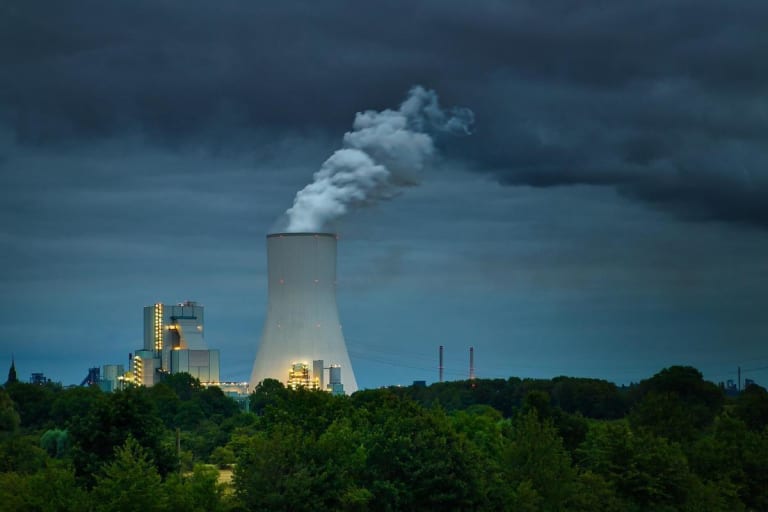
The Brazilian Senate has officially established Redata, a program providing tax incentives for data centers, featuring a strategic amendment that includes natural gas among the permitted energy sources.
The technology sector in Brazil has just received a major boost for its data infrastructure. Last Tuesday (1st), the Federal Senate floor approved the bill establishing Redata (Special Taxation Regime for Data Center Services). The proposal, which had already passed through the Chamber of Deputies under an emergency procedure, now moves to President Luiz Inácio Lula da Silva for final approval.
The initiative aims to lower the high costs of importing servers and IT equipment, which are essential for training Artificial Intelligence (AI) systems. With the new law, the country seeks to bridge the current gap in national processing capacity—which currently covers less than half of local demand—and transform Brazil into a regional processing hub for global giants such as Google, Microsoft, and Amazon.
Including natural gas in the energy strategy
To qualify for the tax relief, which will be valid for five years, companies must meet rigorous requirements, such as investing in research and dedicating a portion of their processing capacity to the domestic market. One of the most debated points was the energy matrix for these centers.
During the legislative process, an amendment approved by rapporteur Cid Gomes made a key semantic adjustment: replacing the term “clean or renewable sources” with “renewable or low-emission sources.” The change permits the use of natural gas, meeting a long-standing demand from lawmakers and sector organizations.
Abiogás highlighted the change in an official statement:
Biogas and biomethane play an important role in this agenda: besides being renewable, they allow for firm and dispatchable power generation, contributing to the security and reliability of facilities that operate continuously.
Economic impact and next steps
The market expects Redata to trigger billions in investments. According to Chris Torto, CEO of Ascenty, the country has the ideal conditions to lead the AI market in Latin America, citing energy abundance and high connectivity. The tax revenue loss projected by the government is approximately R$ 5.2 billion for 2026, with gradual adjustments in the following years.
The momentum is not expected to stop here. The sector’s next goal is to work with the National Council for Finance Policy (Confaz) to reduce the ICMS (state sales tax) on computing machinery. Brasscom, which represents technology companies, points out that the state tax accounts for the majority of the tax burden on equipment, making it a vital component to consolidate the success of the new federal regime.