
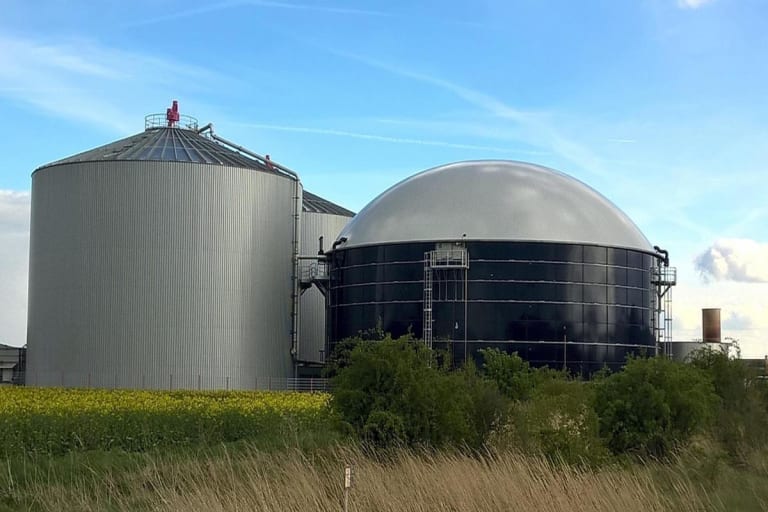
Abrema seeks to include landfill biogas plants in energy storage auctions, classifying them as ‘green batteries’ to bolster the security of the national power grid.
The Brazilian Association of Waste and Environment (Abrema) has launched a strategic initiative to reposition the role of waste-to-energy generation in the Brazilian market. The association’s primary request is the inclusion of landfill biogas plants in the country’s upcoming energy storage system procurement auctions.
For the sector, this integration represents more than a business opportunity; it is a technical necessity. Unlike intermittent renewable sources such as wind and solar, biogas offers continuous, predictable power generation, acting as a crucial backbone for the electrical grid during periods of peak demand or grid stress.
The ‘green batteries’ concept
Abrema President Pedro Maranhão advocates for classifying these plants as ‘green batteries.’ He highlights that, beyond ensuring energy supply, the technology enables the control of methane emissions—a potent greenhouse gas derived from the decomposition of organic waste.
While waste-to-energy generation may have higher costs, diversifying the energy matrix is an essential strategy for ensuring local energy security during times of crisis.
Although acknowledging that operational costs are higher compared to other sources, the association emphasizes that the value delivered in terms of reliability and sustainability justifies such incentives. The proposal aims to establish landfill infrastructure as a strategic asset for national grid resilience.
Decarbonization goals and investment
Beyond its storage agenda, the association is closely monitoring the objectives set by the National Energy Policy Council (CNPE). Abrema proposes raising the natural gas decarbonization target to 1% by 2027 through the use of biomethane, aligning with the goals of the Fuel of the Future law.
Regulatory predictability is the primary driver for the sector’s plans, which projects investments of approximately R$ 10 billion by 2028. To realize these investments, the entity is calling on the federal government for a clear roadmap that minimizes risk and provides legal certainty for long-term investors.
Critique of public policy models
The association also utilized the debate to point out areas for improvement in the Investment Partnership Program (PPI) and state-level initiatives, such as the Integra Resíduos program. Abrema argues that state focus should prioritize the closure of open-air dumps and the development of infrastructure in underserved regions.
The sector is also championing urban mining and tax relief for the recycling supply chain. By proposing a zero tax rate for recycled materials, the association aims to eliminate double taxation, making these inputs more competitive against virgin raw materials and boosting the circular economy in Brazil.