U.S. authorities have intercepted 90 shipments of biofuel bound for Cuba, valued at $3 million, intensifying economic pressure on the island.
U.S. authorities conducted a major operation, intercepting 90 shipments of biodiesel destined for Cuba. The cargo, valued at approximately $3 million, represents a new chapter in the economic and trade restriction strategy led by the administration of Donald Trump, a member of the Republican Party.
The official announcement was made on Wednesday (Oct. 7, 2026), marking the second major seizure of energy products destined for Cuban territory in just a few weeks. This offensive against the energy transition and the island’s fuel supply further worsens the ongoing scarcity and instability in the region.
Logistical Operation Details
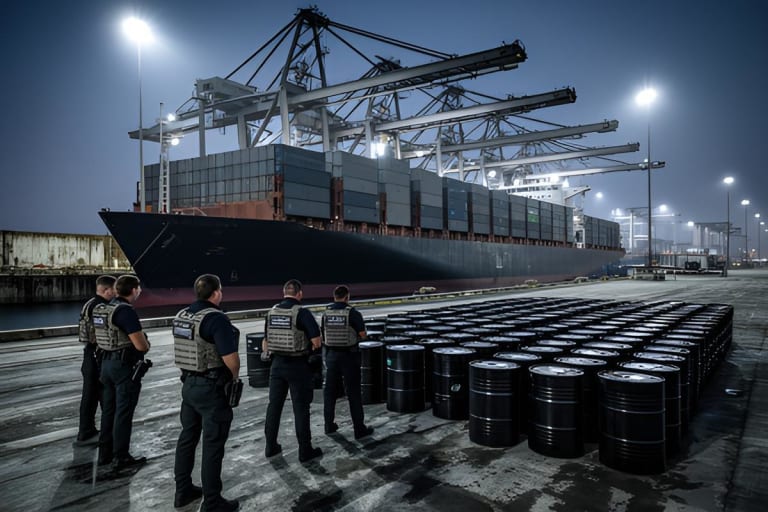
According to the U.S. Department of Homeland Security, the products were seized at the ports of Houston and Port Everglades in Florida. In total, more than 600,000 gallons of sustainable inputs were blocked before leaving U.S. soil.
During a press conference in Miami, Special Agent in Charge Jose Figueroa explained that the final destination for the cargo was Enetec. The state-owned fuel company based in Havana had been the target of economic sanctions earlier in 2026.
The special agent stated:
“An effort of this magnitude to undermine U.S. sanctions does not happen by chance. These actions involve shipments suspected of benefiting the Cuban regime through a state-controlled entity.”
The government representative also issued a stern warning to intermediaries and logistics operators attempting to circumvent current legislation, emphasizing that oversight operations in the energy sector will remain rigorous.
Impact on the Energy Crisis
This customs offensive follows an incident in September, where the Coast Guard intercepted a commercial vessel carrying fuel hidden in ballast tanks bound for the Caribbean nation. The restrictive approach promoted by Donald Trump imposes a severe blockade on the flow of energy sources to the local government, with exceptions allowed only for smaller-scale initiatives targeting the private sector.
Experts point out that this policy of economic asphyxiation has deepened recurring blackouts, water supply issues, and runaway inflation in Cuba. The continuation of this scenario suggests an increasingly critical humanitarian situation, as the U.S. administration maintains its goal of weakening the island’s state structure through trade sanctions.