Tax exemption for micro-entrepreneurs is a milestone, but operational simplification remains the next challenge.
Brazil’s recent Tax Reform has provided a breath of fresh air for millions of micro and small business owners, with an exemption from the new CBS and IBS taxes for annual revenues of up to R$ 40,500. This measure, which takes effect in 2026, is seen as a crucial step toward productive inclusion and the formalization of a significant portion of the country’s informal workforce.
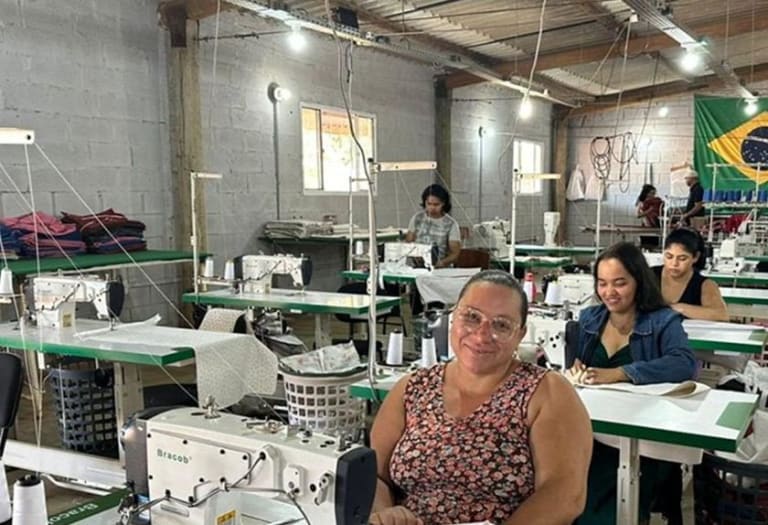
The new regulation recognizes the importance of these workers—such as seamstresses, street vendors, cleaners, and consultants—who often operate in the informal economy. The expectation is that this tax relief will open doors for financial autonomy and economic development, especially for women, who represent a significant portion of this segment.
The Impact of Exemption for Micro-entrepreneurs
Tax exemption for those with annual revenue of up to R$ 40,500 acknowledges the reality of approximately 19 million Brazilians working on a small scale. Integrating these micro-entrepreneurs into the formal system, even if initially in a simplified manner, could trigger a positive ripple effect throughout the economy by boosting consumption and, eventually, job creation.
Data from a study by Natura in partnership with ABEVD (Brazilian Association of Direct Sales Companies) reveals that the average daily income of this group, without a CNPJ (corporate tax ID), is R$ 1,480. It is important to note that 33% of these entrepreneurs have not completed elementary education, which underscores the need for public policies that promote not only formalization but also access to education and professional training.
Operational Simplification: The Next Major Debate
Despite the celebration over the exemption, the sector is already pointing to a new challenge: operational bureaucracy. The rule scheduled for 2029 requires registration for a CNPJ and the issuance of invoices. Representative entities, however, are advocating for alternatives that minimize the costs and time spent on administrative processes.
One proposal is to adopt an automated tax oversight system, which could, for instance, use the suppliers’ CPF (individual tax ID) to register transactions. This approach would aim to spare micro-entrepreneurs from the costs of opening and maintaining a CNPJ, as well as the complexity of issuing invoices, allowing them to remain focused on their core business activities.
A Path to Growth and Development
Adriana Colloca, president of ABEVD, highlighted the importance of this achievement:
A huge step has been taken. Our country has successfully established, through legal channels, an upward path for millions of Brazilians to have the opportunity to undertake business within the law, allowing them to thrive, develop, and generate income.
She emphasizes that this regulation creates an accessible step toward formalization, which is essential for financial autonomy, particularly for women.
The topic of micro-formalization, with the recent advances in its regulation through tax reform, promises to remain on the agenda for years to come. The trend is to increasingly seek solutions that facilitate the entry and retention of these entrepreneurs in the formal economy, ensuring that the growth of these businesses translates into sustainable benefits for all.