Peru marks a milestone in its energy transition by integrating the new Wayra solar plant with existing wind infrastructure in Marcona, creating a 403.52 MW hub in the desert.
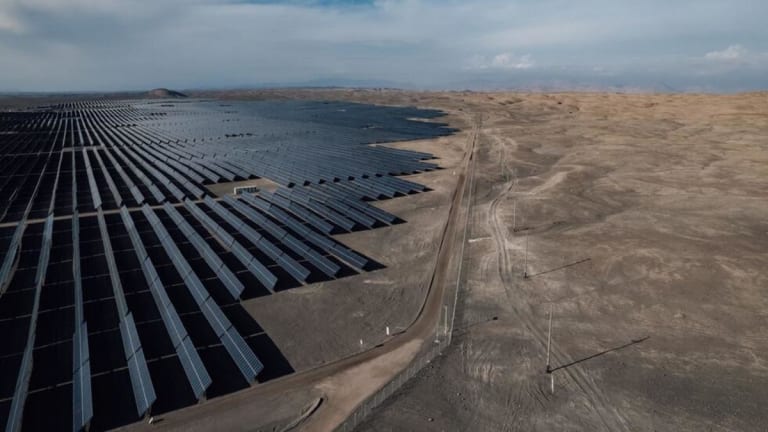
The Ica region in southern Peru has become the epicenter of a technological revolution in the renewable energy sector. In September 2026, the Wayra Solar plant reached its full operational capacity, connecting over 136,000 photovoltaic modules to the National Interconnected Electrical System (SEIN).
This advancement not only expands the country’s clean energy matrix but also sets a new standard for hybrid complexes, combining the power of the sun with the forces of the winds that have already been driving local turbines for years.
The project is operated by Orygen, with construction executed by the Chinese giant PowerChina. With the new infrastructure, the district of Marcona now hosts a combined capacity of 403.52 MW, leveraging the desert’s privileged solar radiation and the high wind availability characteristic of the Peruvian coast.
The integration of different energy sources at the same geographic site optimizes the use of transmission lines and substations, ensuring greater operational efficiency.
Cutting-edge technology in the Nasca sands
Wayra Solar stands out for its sophisticated engineering. To maximize solar capture, the plant utilizes over 2,300 single-axis solar trackers, allowing the panels to adjust their tilt according to the sun’s movement throughout the day.
Additionally, the modules employ bifacial technology, which captures radiation on both sides, significantly increasing the plant’s energy productivity.
A spokesperson from the energy sector highlighted:
The combination of solar and wind technologies at a single location allows for a much smarter use of electrical infrastructure, ensuring the national system receives energy from complementary sources in an optimized and sustainable manner.
Synergy between sun and wind
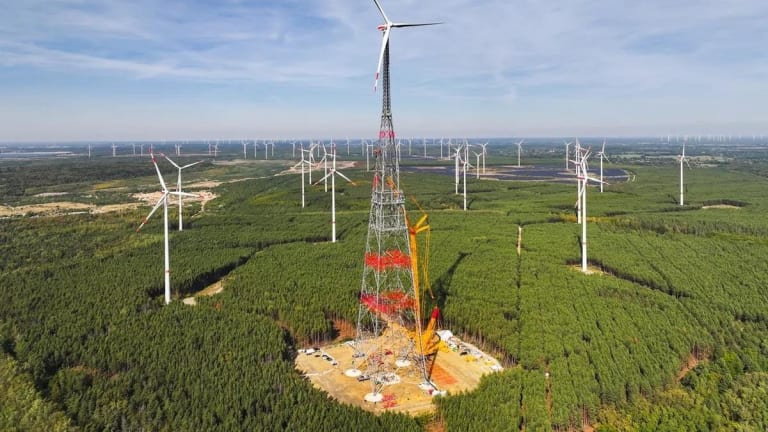
The complex is strategically composed of three units: the wind farm Wayra I (132.3 MW), Wayra Extensión (177 MW), and the new Wayra Solar (94.22 MW). By harmonizing these two energy sources, Orygen can mitigate the natural intermittency of each resource, providing a more constant flow of electricity to the Peruvian power grid.
The estimated annual generation from the solar plant is approximately 250 to 256 GWh, enough to power around 230,000 homes. Beyond its technical significance, the project involved about US$ 72 million in investments and generated hundreds of direct jobs, reinforcing the companies’ commitment to the socioeconomic development of the province of Nasca.
The next challenge for the project is the full consolidation of its commercial operation. With the infrastructure already energized and tested, the Marcona complex is positioned as a replicable model for South America.
The success of this hybridization signals that the future of clean energy on the continent lies in intelligent integration, where cutting-edge technology transforms adverse geographic conditions, such as arid deserts, into pillars of sustainable development.