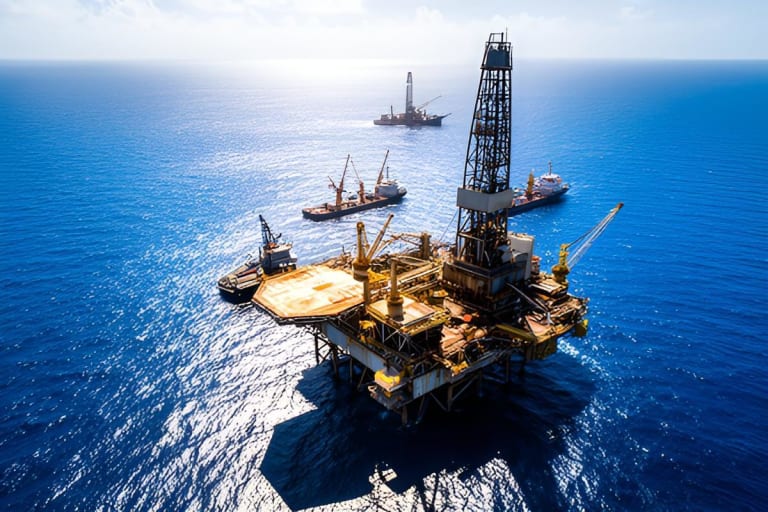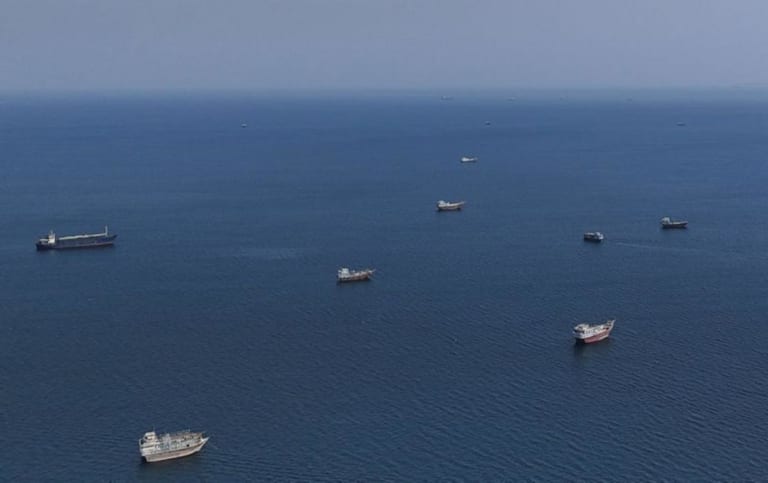
Crude oil exports from the Middle East surpassed pre-conflict levels in September, driven by an increase in shipments from Persian Gulf nations.
International shipments of crude oil and petroleum products from the Middle East saw significant growth last month. Consolidated data from global maritime tracking companies show that the region has regained commercial momentum, exceeding the average daily volumes recorded before hostilities broke out in the area.
This upward trend comes amid a challenging scenario for global energy logistics. Commercial navigation in the strategic maritime corridor faces high risks and constant episodes of hostility, requiring complex maneuvers by tankers and cargo ships operating along Persian Gulf routes and adjacent waterways.
Increased Supply and Route Reorganization
The moving average recorded at the end of September pointed to a substantial daily flow of barrels leaving the region’s terminals. The growth was driven primarily by Saudi Arabia, which stepped up its logistical operations to secure a stronger presence in global supply, competing with other local producers for the preference of international buyers.
At the same time, Iraq also played a central role in this recovery. Diplomatic authorizations allowed state-owned tankers to operate with greater flexibility in the Strait of Hormuz zone, clearing significant inventories from strategic terminals and easing historical logistical bottlenecks.
“Most of this month-on-month increase seen in September comes from Saudi Arabia, which is boosting exports to regain market share from other Middle Eastern countries”
Experts point out that this additional injection of barrels into the international market provides temporary relief for the refining sector, particularly for industries in Asia that heavily rely on crude oil from the Persian Gulf.
Security Challenges in Energy Logistics
Despite the growth in shipped volumes, the safety of the merchant fleet remains under intense pressure. Naval intelligence reports indicate dozens of recent incidents involving projectiles and collisions along crucial routes, affecting large vessels crossing the region toward consumer markets in Europe and Asia.
The current dynamics of the global energy market remain vulnerable to geopolitical fluctuations and navigation conditions along Middle East routes. Industry analysts and operators continue to closely monitor the balance between the need to move fossil fuel production and the safety of crews operating in conflict zones.