Law Revokes National Forest in Cristópolis, Bahia, Citing Flaws in Original Creation.
The creation of the Cristópolis National Forest (Flona), in Bahia, Brazil, has been officially canceled by Law 15,508/26. The new legislation annuls the presidential decree that established the conservation unit in 2001, marking an end to the existence of this protected area in western Bahia.
The process to extinguish the Flona began with Bill 1663/22, an initiative from the Executive Branch during the administration of Jair Bolsonaro. After unanimous approval by representatives and senators, the text was sanctioned by the then acting president, Geraldo Alckmin, and published in the Official Gazette of the Union on September 22.
Legal Flaws and Incorrect Demarcation Cited as Reasons for Decision
The justification presented by the presidency for the revocation points to the existence of irreparable legal flaws in the original process of creating the National Forest. Originally planned to cover approximately 30,000 hectares, the conservation unit faced challenges based on flaws in its establishment.
Technical reports supporting the annulment proposal indicated that the physical demarcation of the Flona diverged significantly from the geographical coordinates stipulated in the 2001 decree. This discrepancy resulted in the area being delimited in a municipality different from the one originally proposed, raising questions about the validity of the act.
Lack of Ecological Attributes and Failed Implementation Also Key Factors
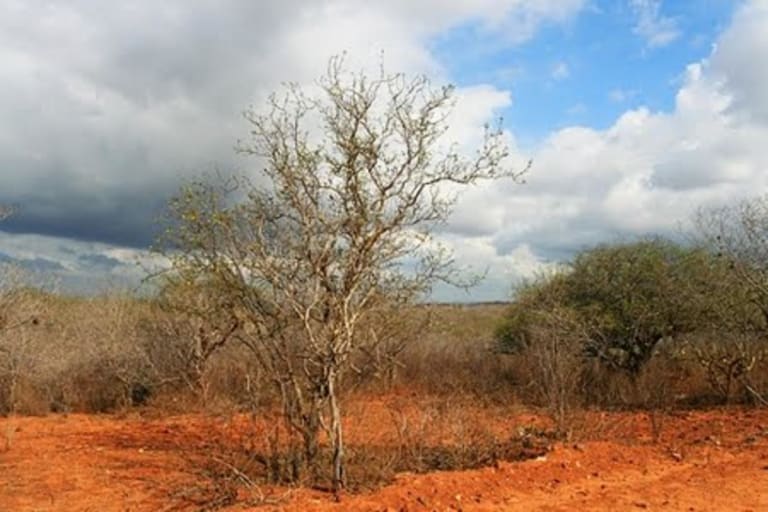
Additionally, studies indicated that the area actually demarcated for the Cristópolis National Forest did not possess the essential ecological and forestry attributes that would justify its maintenance as a full protection unit. The lack of relevant environmental characteristics, coupled with the fact that the Flona was never actually implemented and operationalized, reinforced the decision for its extinction.
The decision to annul the creation of the Cristópolis National Forest (Flona) reflects a critical analysis of the regularity and environmental relevance of conservation units, impacting the environment and energy landscape in the Bahia region.