The rapid expansion of solar energy in India is running into structural bottlenecks, resulting in wasted clean electricity while the country faces high demand and dependence on fossil fuels.
The global energy transition faces complex paradoxes, and India‘s recent reality clearly illustrates this scenario. Even in the face of historical peaks in electricity consumption and low fossil fuel stockpiles, the Asian country failed to utilize a significant portion of its solar generation during July and August.
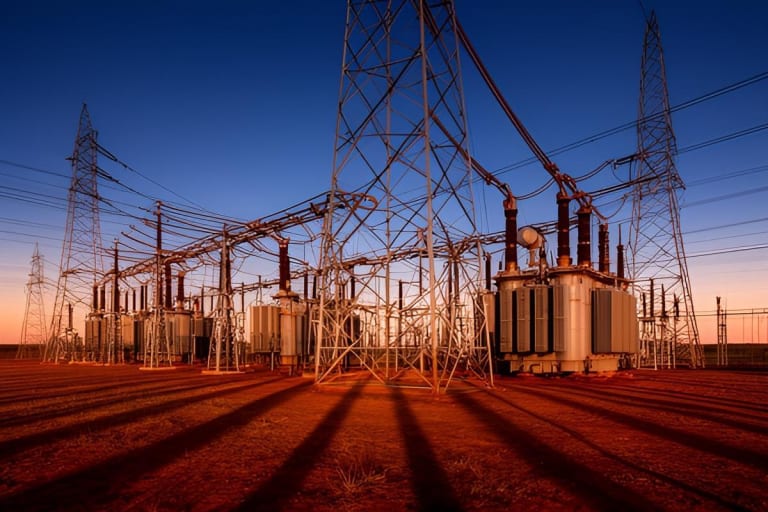
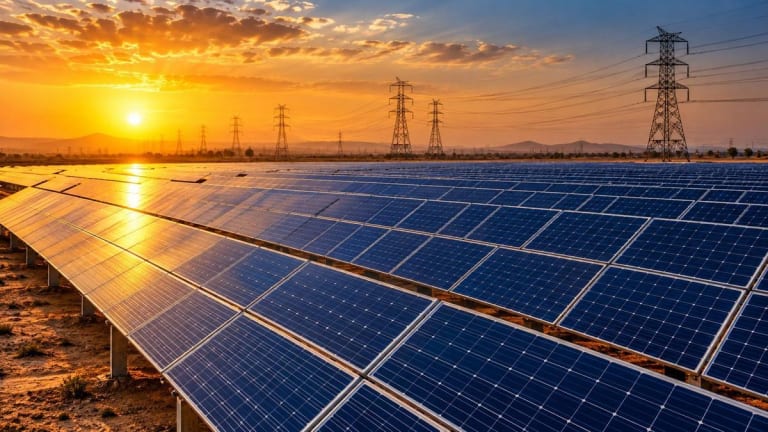
The phenomenon highlights that the pace of photovoltaic park installations has outpaced the transmission lines’ capacity to evacuate power. While the clean energy sector breaks production records, the national electrical infrastructure shows operational difficulties in fully absorbing the generated volume.
The Waste of Renewable Electricity
Data released by the CREA (Centre for Research on Energy and Clean Air) indicate that about 4.2% of the photovoltaic electricity produced during the two-month period was summarily curtailed by the system. In absolute terms, the wasted amount reached nearly 1.8 billion units, highlighting chronic grid integration failures.
Operational constraints and chronic insufficiencies in the transmission network prevent clean electricity from reaching consumer centers. This scenario occurred precisely during a critical period, marked by energy restrictions and a surge in supply needs throughout Indian territory.
CREA analysts highlight in the report:
Grid limitations and operational constraints continued to cause renewable energy curtailments even with record generation volumes.
Pressure on Coal and Climate Challenges
In July, national electricity demand reached an unprecedented level of 270 gigawatts. At the same time, coal reserves at thermal power plants suffered drastic drops, reaching levels below four days of autonomy in nearly half of the production units by early October.
Fossil fuel dependency remained high, with coal accounting for approximately two-thirds of India’s electricity matrix in the quarter ending in September. This heavy reliance was compounded by a 20% drop in hydroelectric generation, a direct consequence of the impacts of the El Niño climate phenomenon.
Impressive Growth of the Clean Energy Matrix
Despite structural obstacles, the photovoltaic market demonstrates resilience and rapid expansion. Solar energy production jumped 39% year-on-year, pushing renewable generation—excluding large hydro—past the historic milestone of 100 billion units in a single quarter.
Currently, India is consolidating its position as the third-largest global producer of this renewable source. Installed photovoltaic capacity already reaches about 168 gigawatts, equivalent to nearly one-third of all available electricity infrastructure in the Asian country.
Looking ahead, government targets remain ambitious. Strategic planning establishes reaching 500 gigawatts of clean energy capacity by the end of this decade, a considerable jump from the current 304 gigawatts, although grid modernization remains an urgent challenge to prevent further waste.