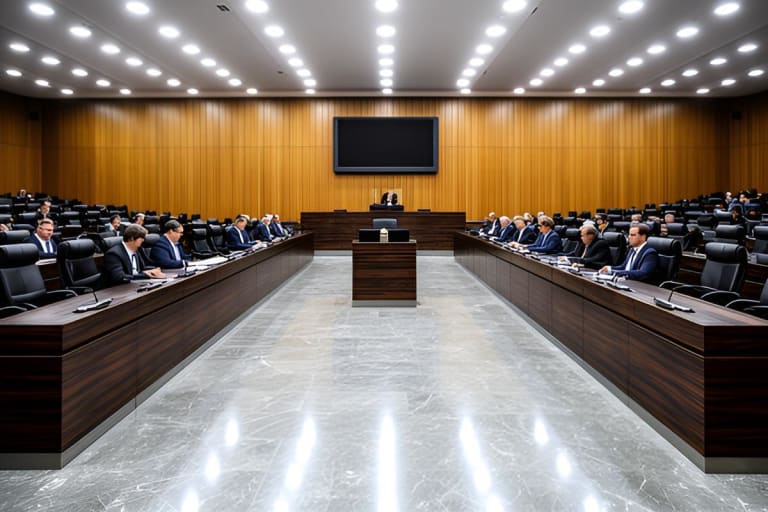
The Chamber of Deputies is analyzing today the urgency regime for PL 3.716/2026, which aims to redefine the cost allocation for batteries, seeking tariff equity among electric sector technologies.
The agenda for the Chamber of Deputies this Tuesday, October 13, includes a decisive vote for the future of energy storage systems in the country. The request for urgency for PL 3.716/2026 is on the agenda, a proposal that aims to alter the cost structure of battery energy storage systems, known as BESS.
Currently, legislation dictates that these costs must be borne exclusively by generating agents. Approving the urgency will allow the text to be submitted directly to the plenary, bypassing bureaucratic steps in committees and accelerating a discussion that, according to the sector, is urgent to ensure the security and competitiveness of the SIN (National Interconnected System).
Equity and the pursuit of efficiency
Six major associations in the energy segment — including ABEEólica, ABiogás, ABIHV, ABSAE, ABSOLAR, and APINE — have joined forces in a joint manifesto to advocate for the change. The entities argue that the current model creates a dangerous distortion by treating batteries differently from other technologies that also provide capacity reserve services.
The central thesis is that capacity reserve benefits the entire system and, therefore, should follow the logic of cost allocation among end-users, similar to how it occurs with other solutions. The associations highlight that battery storage is a strategic pillar for enabling variable renewable sources, bringing flexibility and stability to the grid.
Assigning costs exclusively to generators creates a mismatch between the systemic nature of the service provided and the responsibility for payment, harming Brazil’s industrial competitiveness and increasing energy costs.
Impact on Consumer Wallets
The debate is not merely technical; it involves significant economic projections. Studies cited by the entities, such as those from Volt Robotics, indicate that efficient battery use can reduce the volatility of the PLD (Settlement Price of Differences) and decrease the need for expensive thermal power plant activation, generating potential annual savings exceeding R$1.6 billion.
Furthermore, the associations warn of a rebound effect: even with the law imposing the cost on the generator, the amount is ultimately passed on to the final consumer through regulated market tariffs or contract adjustments in the free market. The sector advocates that transparent cost allocation among users is the fairest way to handle these assets.
The outcome of this vote should signal how Congress intends to handle the energy transition and the arrival of new loads, such as Data Centers and the production of green hydrogen. The decision could shape investor appetite for new capacity reserve auctions and determine whether Brazil will have a regulatory environment capable of accommodating the technologies necessary for a smarter, more flexible, and sustainable grid.