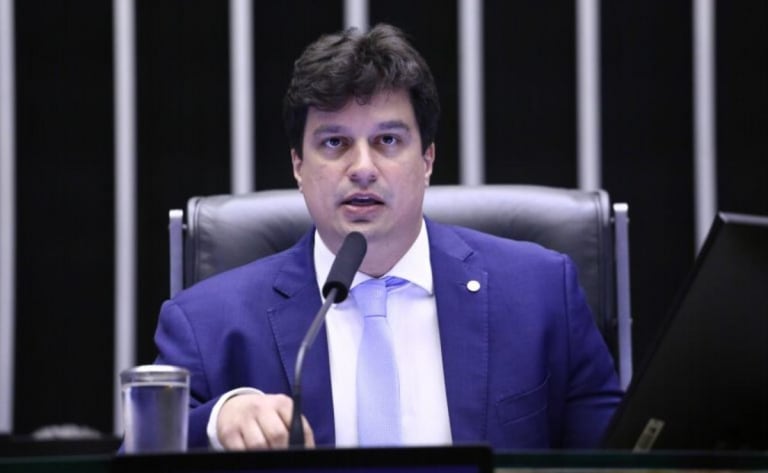
A House committee advances the approval of the social electricity tariff for MEI (Individual Micro-entrepreneurs) registered in the CadÚnico, expanding support for small businesses.
The landscape of clean energy and Brazilian socioeconomic development recently took an important step forward. The Committee on Industry, Commerce, and Services of the Chamber of Deputies gave the green light to a legislative proposal that expands the reach of the traditional social electricity tariff. The measure specifically targets active individual micro-entrepreneurs (MEI) belonging to family units registered in the CadÚnico, provided that the total family income does not exceed three minimum wages.
This initiative seeks to alleviate fixed costs for small entrepreneurs who often operate on the margins of financial vulnerability. By lowering basic operating costs, the measure fosters the stability of local businesses, allowing more citizens to maintain their productive activities without the suffocating burden of basic electricity bills.
How the benefit works in practice
The social electricity tariff mechanism provides a full discount of up to 100% on the bill for a monthly consumption limited to 80 kilowatt-hours. Traditionally aimed at low-income families, the extension to MEI represents an innovation in integrating public social assistance policies with the promotion of grassroots entrepreneurship.
It represents another important incentive for these micro-entrepreneurs to have better conditions to maintain or even expand their businesses.
The approved formulation originated from a substitute text drafted by Congressman Lucas Ramos, adjusting the original version written by Congressman Josivaldo JP. The legislative refinement ensured greater legal certainty and clarity for the future application of the discount by electric utility companies.
Next steps toward enactment
Despite the progress in the thematic committee, the proposal still needs to go through other stages in the National Congress before effectively impacting energy bills. The text will proceed for conclusive analysis in strategic committees, including the Committee on Mines and Energy, the Committee on Finance and Taxation, and the Committee on Constitution, Justice, and Citizenship.
If it clears these legislative stages without requiring a plenary vote, the bill will still need to be reviewed by the Federal Senate. Industry experts expect the measure to strengthen the popular economy, creating an environment more conducive to the financial sustainability of small businesses across the country.