Discover how solar energy acts as a financial shield against the impacts of El Niño on Brazilian electricity rates.
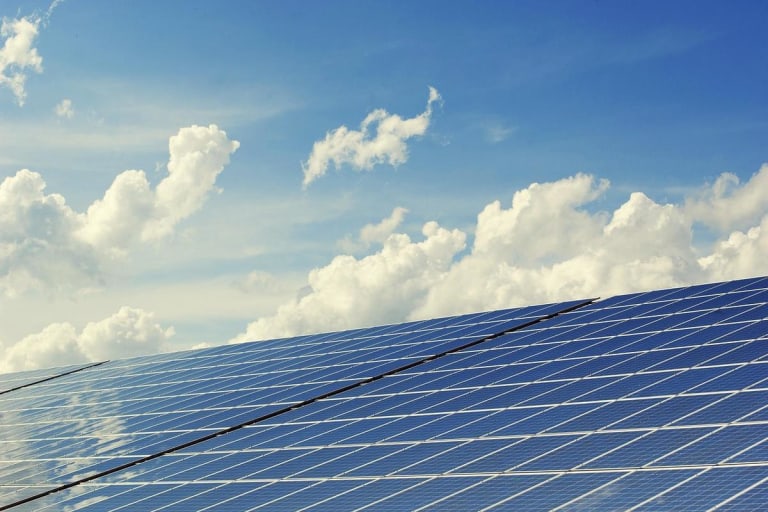
Faced with the strong pressure exerted by El Niño on the national power grid, solar energy has moved beyond the status of a mere sustainable alternative. Experts point out that the technology functions as a true financial safeguard for homes and businesses.
With the high probability that this climate phenomenon will intensify in the coming months, the push for independence from the utility grid is gaining momentum. Self-generation of electricity has emerged as the primary tool for defense against constant fluctuations and rising power bills.
The Performance of Photovoltaic Systems Under High Temperatures
Although solar radiation is abundant during hot periods, extreme heat does not necessarily guarantee record electricity generation. The efficiency of photovoltaic modules decreases in proportion to the increase in equipment temperature.
In addition, factors such as cloud cover, storms, and dust accumulation require extra attention from owners. Experts recommend preventive maintenance and constant monitoring to preserve the system’s lifespan and efficiency.
As Filipe Cardoso, CEO of EletroBidu, highlights:
Solar energy does not eliminate climate-related risks, but it can help consumers and businesses manage them better by combining renewable generation, cost management, and greater predictability.
Sector Growth and Economic Outlook
The advancement of the technology in the country demonstrates the consolidation of the market. Data from the EPE indicate that installed capacity has reached significant milestones, driven primarily by micro and distributed generation across the country.
Even with active tariff flags, such as those applied by Aneel, those who invest in solar energy capture are able to mitigate a portion of their monthly expenses. The synchronization between peak generation and the use of air conditioning units further optimizes financial results.
In a global scenario of climate instability, integrating renewable sources into consumption routines has become indispensable. The cost predictability provided by photovoltaic panels ensures greater budget stability for the Brazilian energy sector in the coming years.