
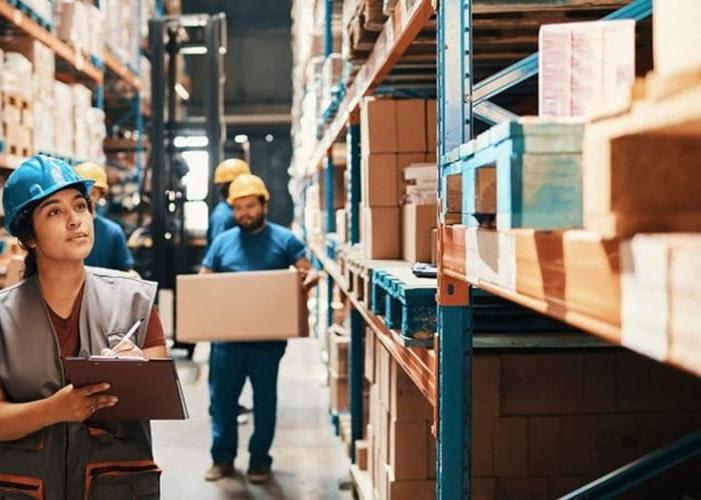
Federal District’s Logistics Grows 10%, Highlighting Capital Among Brazil’s Largest Distribution Hubs in 2026.
The Federal District solidified its position as a major player in the national logistics market during the first half of 2026. With a 10% expansion in the volume of dispatched orders compared to the previous year, the region secured fourth place in the country’s growth ranking, evidencing a significant shift in the dynamics of Brazilian e-commerce.
The data, extracted from the 5th edition of the Map of Logistics study, reveals that the country is undergoing a decentralization process. The federal capital has transitioned from being merely a consumer center to a strategic distribution point, surpassing states like Ceará and positioning itself just behind powerhouses such as Santa Catarina, Rio Grande do Sul, and Paraná.
Prominence Among Major Brands and Operational Changes
One of the pillars of this impressive performance was the large enterprise sector. From the Brasília territory, merchandise shipments across the country saw a 150% increase, a figure that places the DF in absolute leadership for growth in this specific segment among all federal units.
The logistical advancement in the region is not limited to volume but also encompasses the technological adaptation of local companies and the optimization of supply chains connecting Brasília to the rest of the national territory.
Furthermore, the behavior of small and medium-sized enterprises has also changed. There was a 53% leap in the utilization of collection and pickup points (known as PUDOs), facilitating reverse logistics and delivery agility. Seasonal dates, such as Valentine’s Day and Consumer Day, were crucial in keeping the remittance flow robust.
Consumption Profile and the Future of Express Delivery
The strength of the Center-West region is also reflected in the profile of the goods circulating there. Cosmetics and perfumery products lead the transportation ranking, followed by the constant movement of electronics and apparel.
The high demand for reduced delivery times has forced the market to evolve: currently, 50% of all orders shipped in Brazil reach their final destination within a maximum of 72 hours.
With its privileged geographical location, the Federal District aims to maintain its logistical relevance, leveraging its current infrastructure to sustain this growth rate in the coming months and attract new investments to the capital.