The Energy Research Office has indicated the unprecedented use of DLR technology to modernize the power grid in the state of São Paulo, generating significant savings and high efficiency in clean energy transmission.
Brazil’s power sector is taking a major step toward innovation with the announcement by EPE (Energy Research Office). For the first time in the country’s sector planning, the implementation of DLR (Dynamic Line Rating) technology has been recommended as a structural alternative to optimize electricity flow in the interior of São Paulo. The measure promises to revolutionize how the system handles operational bottlenecks, integrating renewable energy and sustainability into electrical infrastructure planning.
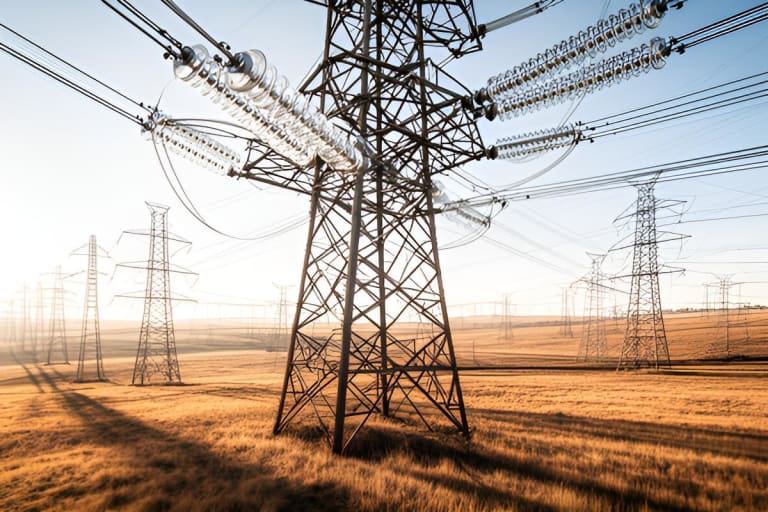
With an estimated financial investment of just R$ 2.1 million, the project focuses on the 138 kV transmission line between Mogi Guaçu and São João da Boa Vista II. The major advantage of this innovation lies in the savings generated: the use of smart sensors is expected to postpone the need for a conventional rebuild valued at around R$ 140 million, ensuring greater tariff affordability for consumers and efficiency in managing power transmission assets.
Real-Time Weather Monitoring
The system operates by closely tracking meteorological variables along the stretch. Unlike traditional methods, which apply static and conservative limits based on worst-case weather scenarios, DLR evaluates real-time data such as wind speed, solar radiation, and ambient temperature.
This dynamic analysis safely increases the grid’s carrying capacity. In tests and projections carried out, the operational limit under normal conditions will jump from 79 MVA to 95 MVA. This 20% increase in capacity directly meets the growing demand of large consumers, such as the modern data centers setting up in the region that require continuous clean energy.
The specialist highlighted:
Maximize the utilization of existing infrastructure and postpone investments in transmission assets.
Modernization and Expansion of the Power Grid
The official schedule sets a deadline of up to 14 months for the complete installation of the monitoring equipment. With this agile intervention, EPE projects that the physical rebuilding of the line can be pushed beyond the 2038 horizon, extending the lifespan of current assets and providing operational flexibility for local utilities to contract new system usage amounts.
In addition to the dynamic system, the strategic planning encompasses a comprehensive package of structural improvements in strategic areas such as Araras, Atibaia, and Mogi Mirim. The actions include the recapacitation of hundreds of kilometers of lines and the adoption of static synchronous compensators, consolidating a model focused on the energy transition and the smart use of sustainable resources.
The pioneering adoption of dynamic monitoring in São Paulo sets valuable precedents for the national power sector. By prioritizing low-cost technological solutions over large civil works, Brazilian energy planning demonstrates maturity and alignment with global demands for energy efficiency and sustainable development. In the coming years, this approach is expected to be replicated in other critical corridors across the country, strengthening supply security and boosting the expansion of clean energy sources.