The transition to a low-carbon economy is bringing aluminum into focus, with projections indicating a rise in global demand and significant growth potential for Brazilian domestic consumption, driven by clean energy and mobility.
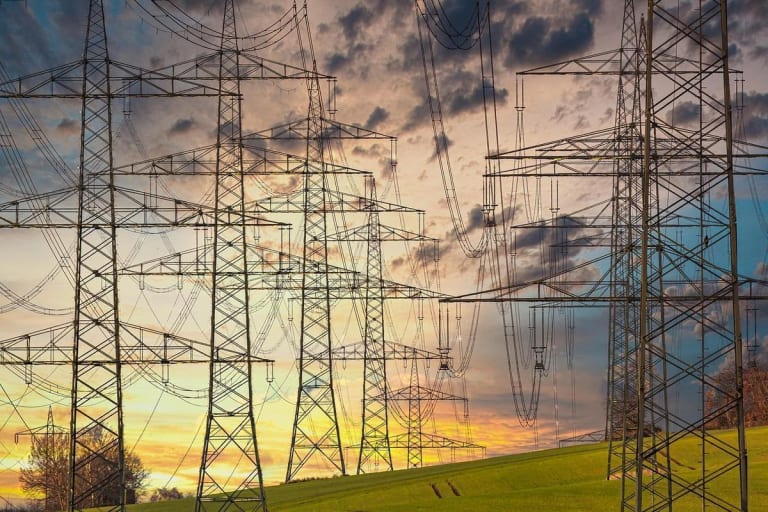
The accelerating electrification of the Brazilian economy, spurred by the expansion of renewable energy sources and the modernization of electrical grids, indicates a consistent growth trajectory in the use of strategic materials. Among these, aluminum stands out as a key player, essential for enabling new technologies in vital sectors such as urban mobility and energy transmission infrastructure.
Recent data from the Brazilian Aluminum Association (ABAL) reveals that domestic consumption of processed products reached 1.88 million tons in 2025. However, Brazil still presents a per capita consumption of 8.8 kilograms, a figure significantly below the world average of 13.3 kilograms. This disparity indicates vast potential for increased domestic demand in the coming years.
The Strategic Role of Aluminum in Sustainability
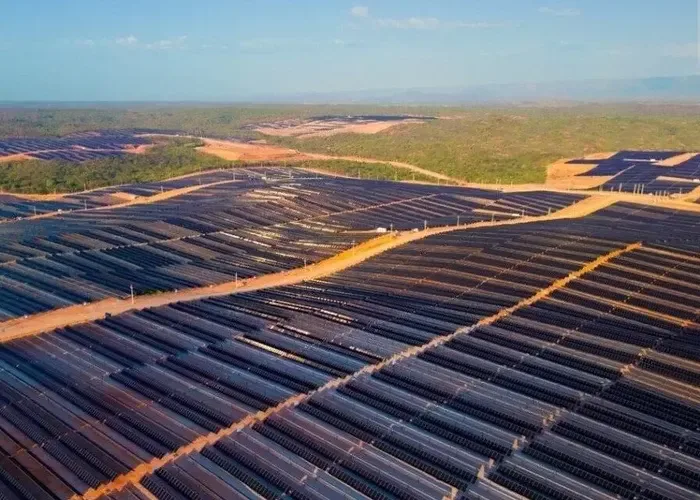
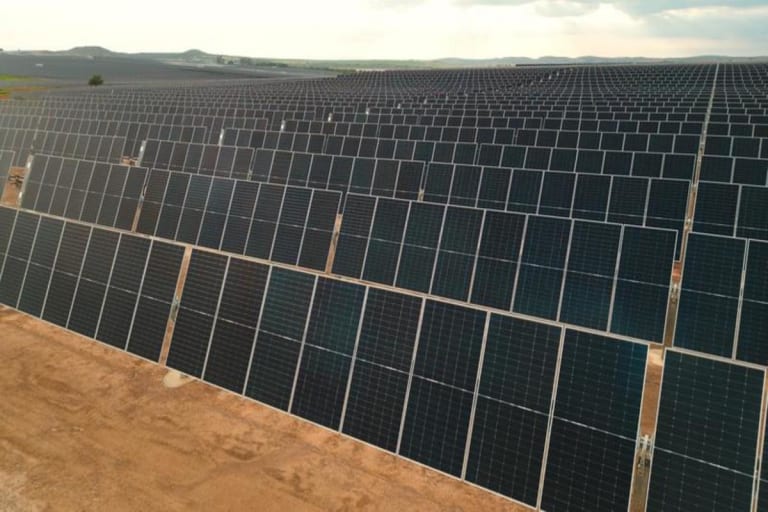
The metal is a key component for the success of the energy transition. Thanks to its intrinsic properties — lightness, durability, and high electrical conductivity — the material is widely used in solar panels, wind farms, and the modernization of distribution grids.
Its ability to enable efficient long-distance energy transmission is an indispensable technical advantage for integrating renewable sources into the national electricity matrix.
Beyond efficiency, aluminum directly contributes to reducing carbon emissions in other sectors. In the automotive industry, its application in electric vehicles helps decrease the overall weight, increasing energy efficiency and battery range — decisive factors for the future of sustainable transportation.
Brazil’s Competitive Advantages
The country holds the world’s fourth-largest bauxite reserves, the base ore for aluminum production. This self-sufficiency, combined with a complete production chain — encompassing everything from mining to recycling — places Brazil in a privileged position.
The country is well-positioned to meet the growth in global demand, estimated by the International Aluminium Institute (IAI) at approximately 40% by 2030.
Janaina Donas, executive president of ABAL, stated:
Aluminum possesses characteristics highly aligned with the needs of a low-carbon economy: lightness, durability, technical performance, and especially, the ability to be recycled infinitely without losing its essential properties.
Circularity as a Growth Driver
The sector’s sustainability is reinforced by the metal’s recycling capacity. The recycling process requires about 95% less energy than primary production, solidifying aluminum as an essential material for the circular economy.
In 2025, 54% of all aluminum consumed in Brazil originated from recycled sources, an indicator of the country’s industrial maturity.
Janaina Donas emphasizes:
Aluminum’s role extends far beyond its own carbon footprint. It is a strategic input for fundamental sectors of the energy transition and infrastructure modernization. We offer a dual contribution: while the industry continuously works to reduce its own emissions, it provides an essential material for other sectors to also advance in their decarbonization processes.
The impact of this scenario is clear: the country will not only strengthen its domestic market but also consolidate its position as a strategic supplier of sustainable solutions.
The combination of production capacity and alignment with decarbonization goals positions the use of the metal as a fundamental barometer for the success of clean energy policies and industrial efficiency in Brazil in the coming decades.